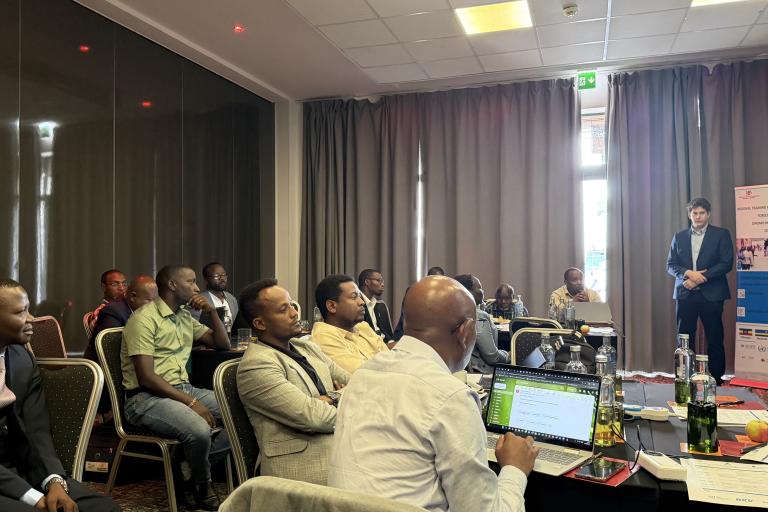
Enviro News Asia, Kampala — Eastern African countries have taken a significant step toward strengthening urban flood resilience through a regional workshop on the Urban Flash Flood Forecasting System (UFFFS), held in Kampala, Uganda, from March 23 to 25, 2026.
The workshop was part of the Water at the Heart of Climate Action (WHCA) project, funded by the Netherlands Ministry of Foreign Affairs and supported by the World Meteorological Organization. The initiative is being implemented across Ethiopia, Rwanda, South Sudan, Sudan, and Uganda to enhance climate resilience and mitigate water-related risks.
The UFFFS is designed to deliver impact-based warnings for flash floods by integrating satellite observations with advanced nowcasting techniques, including the PySTEPS algorithm. Once operational, the system will be incorporated into the East Africa Hazard Watch platform to strengthen regional early warning capabilities.
The three-day workshop brought together more than 20 experts from National Meteorological and Hydrological Services (NMHSs) across the five participating countries. Participants engaged in technical training, knowledge exchange, and hands-on exercises focused on hydro-meteorological monitoring, flood modeling, and early warning systems.
Led by technical partners HKV and Deltares, the sessions provided practical experience in applying UFFFS methodologies using existing forecasting tools. Discussions also addressed the importance of local infrastructure data and collaboration with hydrological agencies to support system development.
The workshop further outlined a framework for implementing UFFFS products, including next steps for scaling up forecasting capabilities in pilot cities such as Addis Ababa, Juba, Kampala, Kigali, and Khartoum.
Through the WHCA project, the World Meteorological Organization continues to support the global Early Warnings for All initiative by strengthening national capacities in observation, monitoring, and forecasting systems. These efforts are expected to significantly improve preparedness and response to urban flood risks across Eastern Africa. (*)