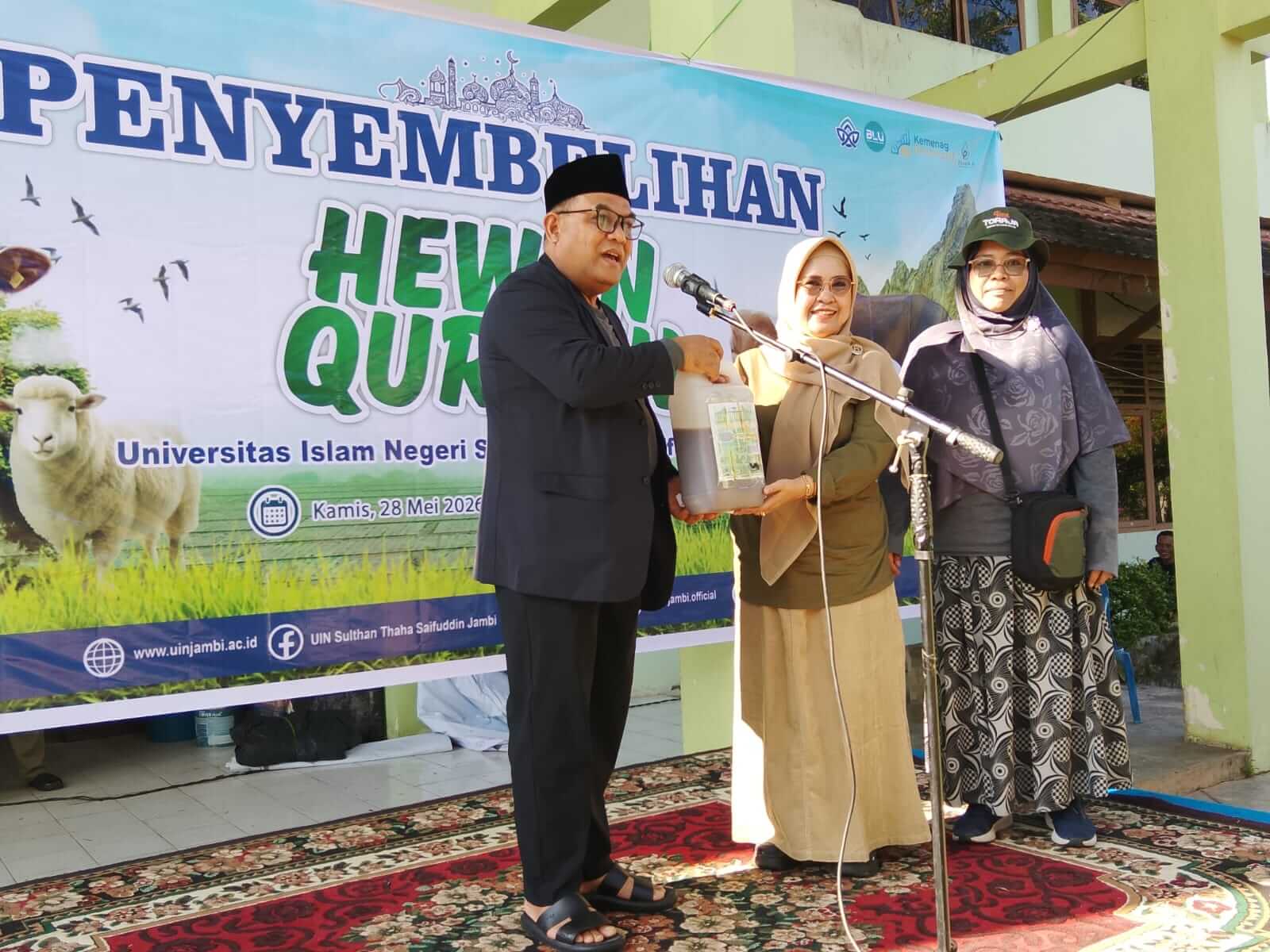
Enviro News Asia — Indonesia marked the commemoration of Isra Mi’raj of Prophet Muhammad (PBUH) 1447 Hijri at the national level at Istiqlal Mosque, Jakarta, on January 15, 2026, bringing together state leaders, religious figures, and worshippers in a moment of spiritual and ecological reflection.
The event was attended by President Prabowo Subianto, the Minister of Religious Affairs, and the Grand Imam of Istiqlal Mosque. In his sermon, Minister of Environment and Head of the Environmental Control Agency, Hanif Faisol Nurofiq, emphasized faith as a fundamental pillar for environmental protection and disaster risk mitigation.
Minister Hanif stated that Isra Mi’raj represents not only a spiritual journey but also conveys profound messages on balance, order, and harmony within creation. He underlined that spiritual purity cannot be separated from ecological health, particularly amid escalating climate risks and the growing frequency of hydrometeorological disasters such as floods and landslides in Indonesia.
Addressing hundreds of worshippers, Minister Hanif expressed condolences for recent disasters affecting several regions across the country. He stressed that the command of prayer received by the Prophet during Isra Mi’raj must be translated into concrete actions that reflect ecological piety and prevent environmental degradation.
“Isra Mi’raj teaches us that the higher one’s spiritual rank, the greater one’s responsibility toward the universe. Damaging the environment means violating the balance (mīzān) established by Allah,” Minister Hanif said. He added that proper prayer should be reflected in environmentally responsible behavior, including protecting forests, conserving water and air, managing waste responsibly, and living sustainably.
In line with President Prabowo Subianto’s Asta Cita vision, the government has positioned environmental sustainability as a foundation of national development. Minister Hanif highlighted government initiatives focusing on food self-sufficiency, water resource management, renewable energy investment, and the development of green economic opportunities for micro, small, and medium enterprises.
The minister also underscored the importance of cross-sector collaboration, citing programs to promote cleanliness and environmental stewardship at houses of worship as an entry point for embedding sustainability values within communities.
Concluding his address, Minister Hanif called on worshippers to transform the commemoration of Isra Mi’raj into concrete environmental action, beginning at the household level and extending to mosques and local communities. He reaffirmed that genuine faith must manifest in tangible efforts to protect the Earth as a trust for present and future generations. (*)