Enviro News Asia, Jakarta — Forestry Minister Raja Juli Antoni has called for stronger preparedness and coordinated action to anticipate forest and land fires (karhutla) and minimize their impacts on communities, particularly in the health, education, social, and economic sectors.
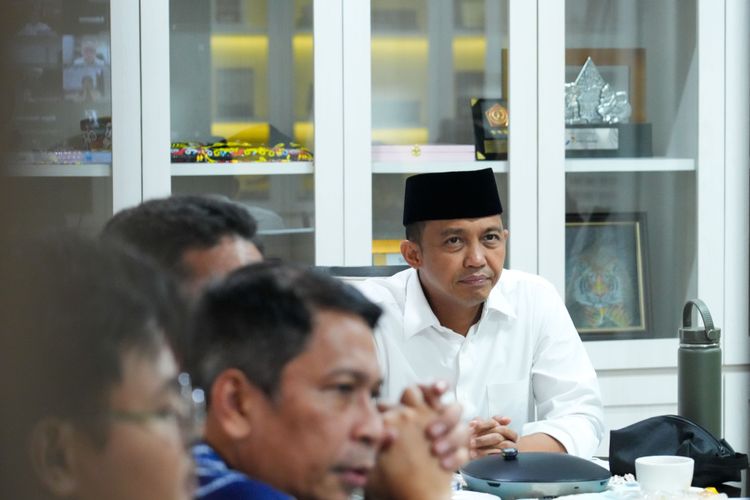
The minister made the statement during a ministerial-level coordination meeting on anticipating and addressing the impacts of forest and land fires on public services. The meeting, chaired online by Coordinating Minister for Human Development and Cultural Affairs Pratikno on August 13, discussed an integrated response to the potential impacts of fires on communities in affected areas.
Raja Juli Antoni said the 2026 forest and land fire situation requires serious attention as the El Niño phenomenon has emerged earlier than expected. Government data presented at the meeting showed that the area affected by fires had reached approximately 202,004 hectares as of July 2026, with around 57 percent located within forest areas and 43 percent in other land-use areas. The figure has surpassed the corresponding periods in 2019 and 2023.
“Climate change is real,” Raja Juli said, emphasizing that climate change is influencing the pattern and intensity of El Niño. He warned that the strong El Niño conditions could increase the risk of forest and land fires and require heightened preparedness from the government and communities.
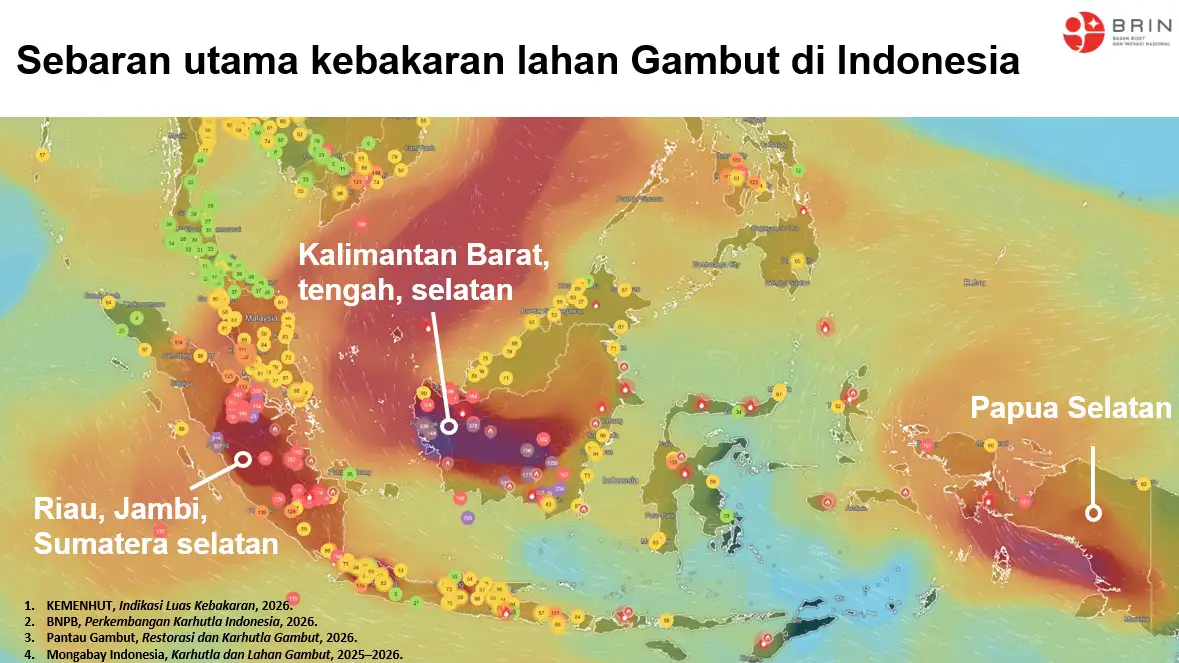
Several provinces have been identified as priorities for fire prevention and response, including Riau, South Sumatra, Jambi, and West Kalimantan. However, the government is also monitoring changes in the distribution of fires, including areas that were previously not considered priority regions but are now recording significant fire activity.
Raja Juli emphasized that these shifting fire patterns require stronger cross-sectoral preparedness because the consequences of forest and land fires extend beyond environmental damage and can directly affect communities.
“If this very strong El Niño causes direct impacts on communities, there will be consequences for the education sector, health sector, and others,” he said.
One of the government’s major concerns is smoke pollution generated by fires, particularly in areas where certain land characteristics can result in incomplete combustion and higher emissions of particulate matter. Such conditions can pose risks to public health and disrupt social activities.
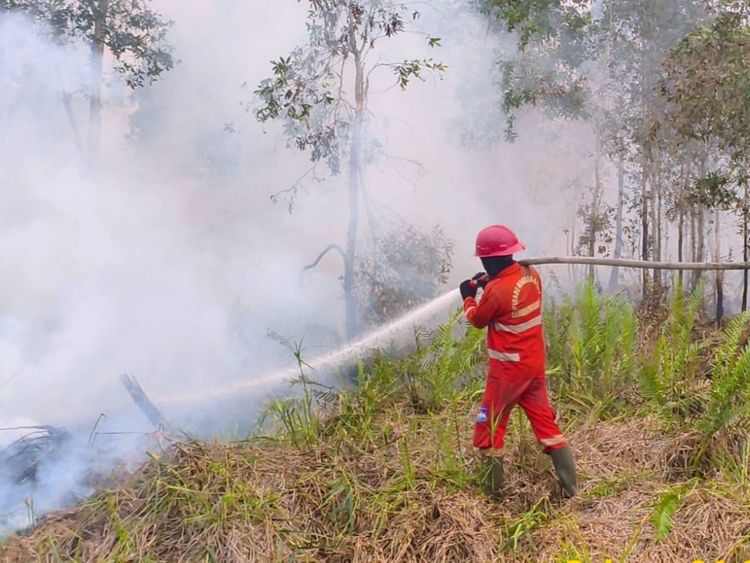
To strengthen fire control, the government continues to conduct hotspot monitoring, field inspections, patrols, early detection, and direct interventions at locations where fires could potentially develop and spread.
The government is also strengthening public communication through the Media Center at the National Disaster Management Agency (BNPB). The Ministry of Forestry will provide the necessary data and information to ensure that the public receives timely, informative, educational, empathetic, and accessible updates on forest and land fire developments.
The Media Center will serve as a platform for coordinating information among ministries and government agencies. Updates will be delivered periodically through official releases and press conferences involving relevant sectors, including health and education.
The public can also monitor forest and land fire developments through SIPONGI+, the Ministry of Forestry’s Forest and Land Fire Control Information System. The platform provides official information on hotspot distribution based on dates, locations, satellite sources, and confidence levels, as well as information related to fire monitoring and control.
Raja Juli stressed that forest and land fire management requires joint efforts across ministries and government agencies. Coordination is particularly important to ensure that basic public services remain operational and affected communities receive adequate information and protection when fires directly impact their lives.
Through strengthened cross-sectoral coordination, the government is committed to improving forest and land fire prevention and response while minimizing the impacts of fires on public health, education, social conditions, economic activities, and the overall well-being of affected communities. (*)