

Enviro News Asia, Banjarbaru — The Ministry of Forestry is strengthening efforts to prevent forest and land fires (karhutla) through an early detection system based on hotspot monitoring and closer coordination with holders of Forest Utilization Business Licenses (PBPH) in South Kalimantan.
The initiative is part of the ministry’s strategy to establish a responsive, integrated, and data-driven forest protection system, particularly during the dry season when the risk of forest and land fires is higher.
The Forest Management Unit (BPHL) Region XI Banjarbaru regularly monitors hotspots within PBPH areas and forwards the results to license holders for immediate field verification and early response when potential fires are detected.
BPHL Region XI Banjarbaru Head Wahyu Nurhidayat said hotspot information serves as an important early warning instrument, allowing potential fires to be identified and addressed before they develop into larger incidents.
“Every hotspot identified within a PBPH working area must be immediately verified in the field. Hotspot information is part of the early warning system so that potential fires can be detected and handled at an early stage,” Wahyu said.
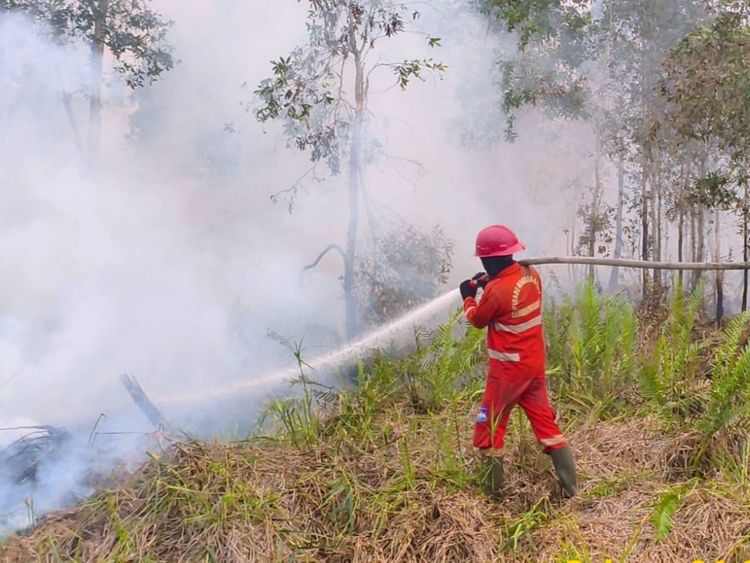
BPHL Region XI Banjarbaru is also encouraging all PBPH holders to strengthen preparedness by increasing patrols, ensuring personnel readiness, maintaining fire-control equipment and infrastructure, and accelerating responses to hotspot information and reports of potential fires.
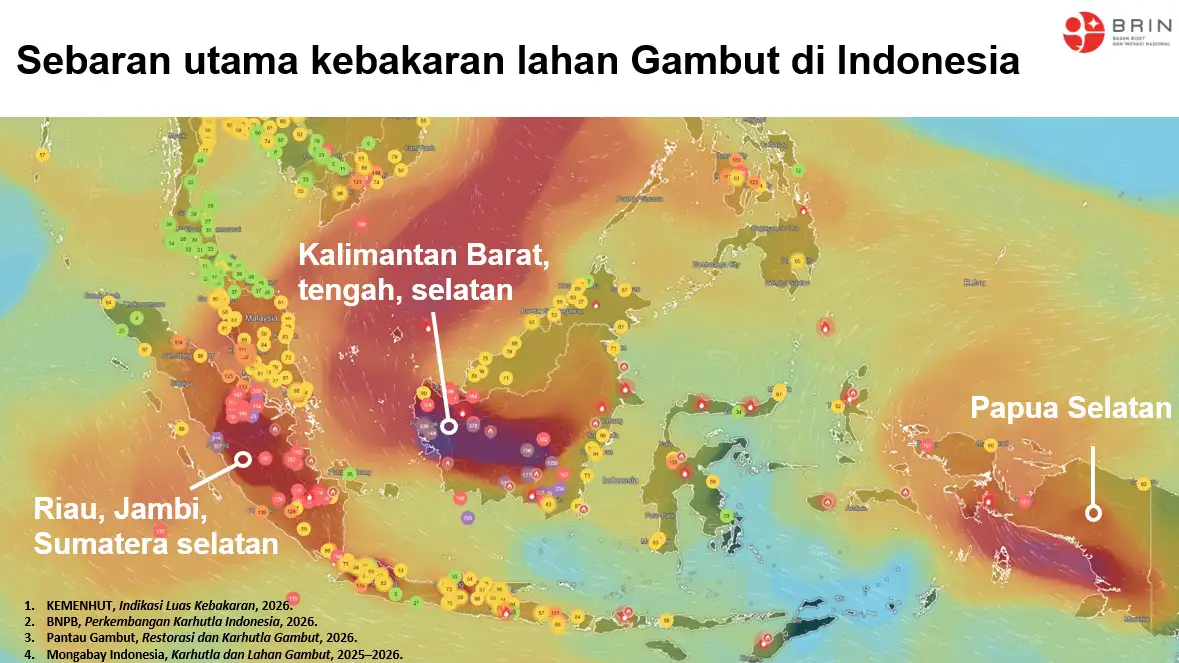
Based on monitoring by the Ministry of Forestry’s SIPONGI system using the NASA-NOAA20 satellite on August 12, 2026, South Kalimantan recorded 73 hotspots with medium confidence levels. Fourteen of these hotspots were located within PBPH areas, including six in PT Inhutani I Unit Pelaihari, six in PT Dwima Intiga, one in PT Hutan Rindang Banua, and one in PT Prima Multibuana. The information has been forwarded to each PBPH holder for immediate field inspection and verification.
BPHL Region XI Banjarbaru is also promoting coordination among area managers whose operational areas are spatially connected, particularly during the verification process.
Wahyu emphasized that a hotspot is an indicator of a temperature anomaly and does not automatically mean that a fire has occurred. Therefore, every hotspot report must be followed up through direct field verification.
“The principle is not to wait until the fire grows. When there is hotspot information within or around a working area, immediately conduct an inspection. If signs of fire are found, take initial action and coordinate with relevant parties in accordance with applicable regulations,” he said.
The Ministry of Forestry continues to strengthen cooperation among the government, PBPH holders, forest managers, local communities, and other stakeholders to establish an effective forest and land fire prevention system. Early detection, rapid information dissemination, field verification, and cross-sectoral coordination are considered essential components of forest and environmental protection.
Through these measures, the Ministry of Forestry is reaffirming its commitment to strengthening forest and land fire prevention and control through reliable early detection, rapid field response, and multi-stakeholder collaboration to support sustainable forest management. (*)