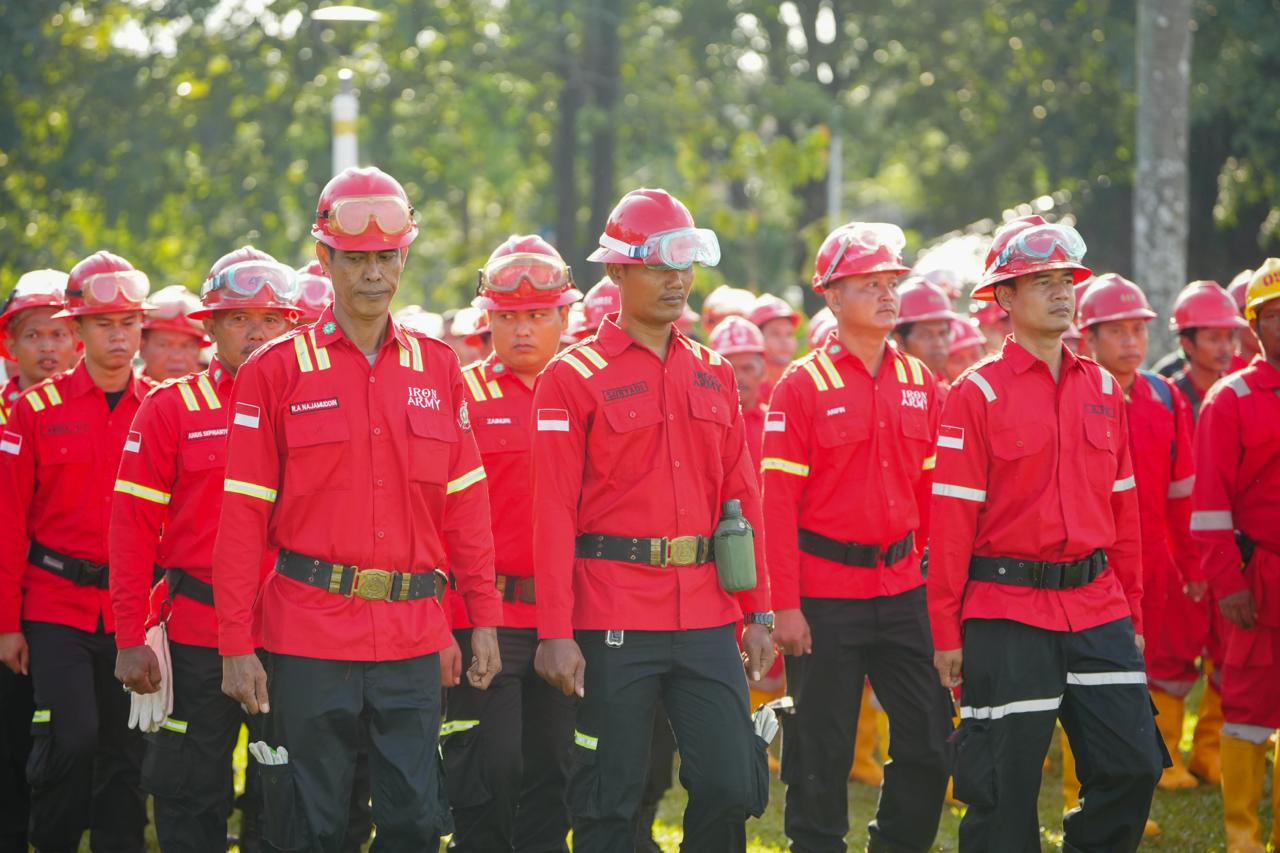
Enviro News Asia, Jakarta — Indonesia’s Forestry Ministry has urged holders of Forest Utilization Business Licenses (PBPH) to strengthen preparedness and actively participate in preventing and controlling forest and land fires as the country enters a critical period of extreme weather in September 2026.
Forestry Minister Raja Juli Antoni said PBPH operators have a legal responsibility to help protect their concession areas and surrounding forests from fires. He also acknowledged companies that have maintained preparedness and implemented fire prevention and control procedures in their operational areas.
“Forest and land fire prevention is a shared effort,” Antoni said in Jakarta on September 1.
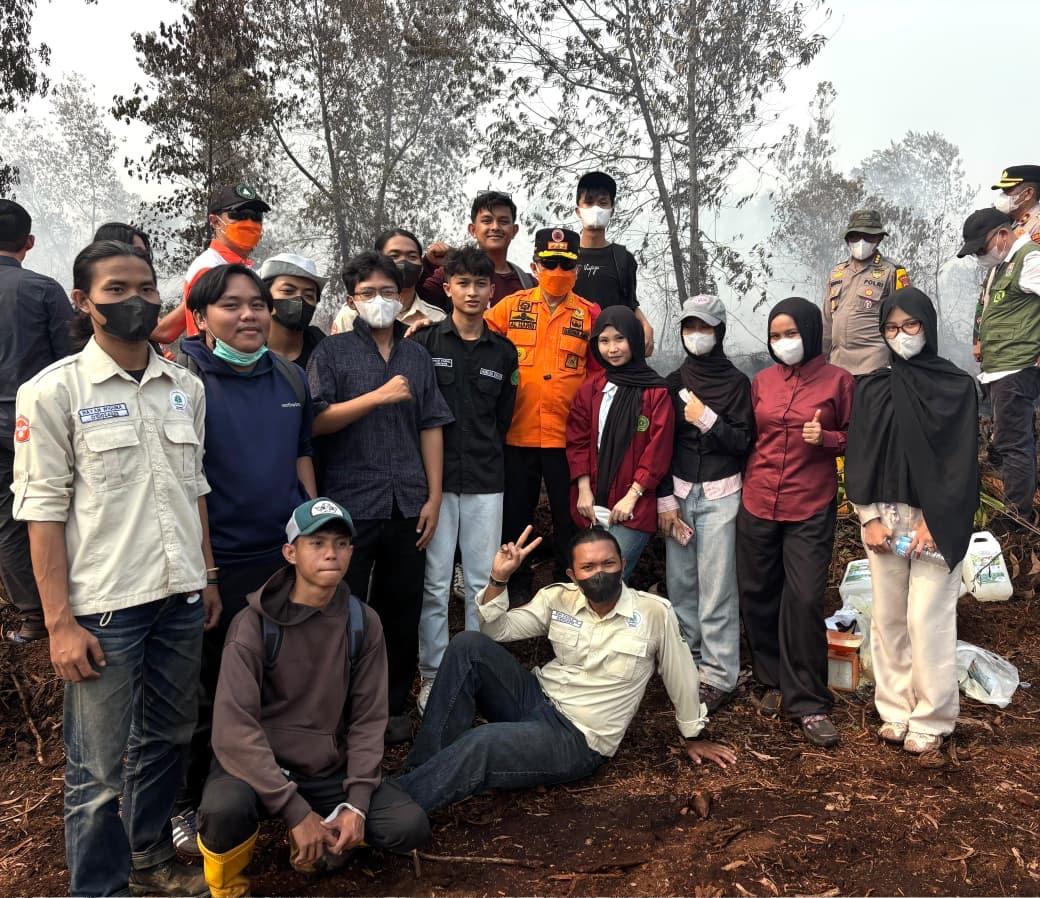
The ministry is strengthening coordination with regional governments, the Indonesian Military (TNI), National Police, Manggala Agni firefighting teams, Fire Care Communities, businesses and other stakeholders to maintain readiness during the peak of the fire-prone season.
Antoni said evaluations throughout August showed improvements in fire management in several areas. However, he warned that the progress should not lead to complacency because September remains a critical period for forest and land fires.
He called on PBPH operators to maintain personnel and equipment readiness, strengthen early detection and ensure rapid coordination when fires are detected.
Five Strategies for Fire Control
The government is implementing five main strategies to address extreme weather and the risk of forest and land fires.
The first is intensified weather modification operations conducted with the National Disaster Management Agency (BNPB) and the Meteorology, Climatology and Geophysics Agency (BMKG). The operations aim to maximize available rain clouds and increase soil moisture in priority areas.
The second involves aerial patrols and water bombing operations to monitor and extinguish fires in areas that are difficult to access from the ground.
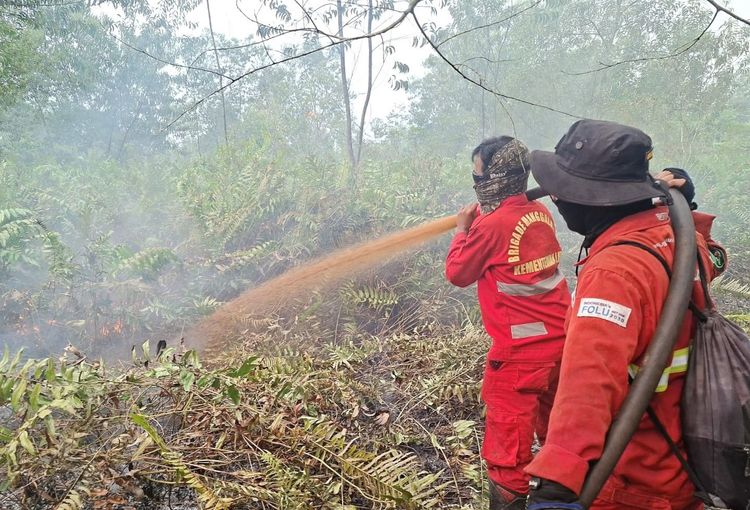
The third strategy is strengthening ground task forces through cooperation among Manggala Agni, the military, police and Fire Care Communities. Ground teams are responsible for isolating fire sources, extinguishing flames and ensuring that cooling operations are completed.
The fourth focuses on consistent law enforcement against parties proven to have violated regulations, alongside evaluations of business permits associated with fire incidents.
The fifth emphasizes public education and participation to prevent land clearing through burning and other activities that could trigger fires during dry conditions.
The Forestry Ministry also relies on the SIPONGI digital monitoring system, which operates around the clock and provides publicly accessible information on hotspots and wind movements. Satellite-based data supports early detection and rapid field response.
APHI Members Implement Fire SOPs
The Indonesian Forest Concessionaires Association (APHI) said its PBPH members have implemented standard operating procedures (SOPs) for fire preparedness and control in their respective operational areas.
APHI Chairman Soewarso said the measures include patrols, hotspot monitoring, early detection, personnel and equipment readiness, field inspections and rapid response to indications of fire.
PBPH operators are also conducting public education, strengthening Fire Care Communities and promoting awareness that land clearing should not involve burning.
“PBPH operators are not merely preparing to support the government. They have already implemented fire preparedness and control SOPs,” Soewarso said.
He added that implementation of the SOPs is being strengthened through coordination with the Forestry Ministry, local governments, the military, police, Manggala Agni, Fire Care Communities and other stakeholders at the field level.
APHI has also issued a circular to its members urging them to increase vigilance, ensure resource readiness and optimize prevention and response measures.
The association is encouraging members to support one another, including assisting with fires outside concession areas when required and coordinated with the authorities. APHI said a landscape-based approach is necessary because fires and smoke do not recognize administrative or concession boundaries.
APHI is also strengthening cooperation with the Indonesian Palm Oil Association (GAPKI) to improve cross-sector coordination in fire prevention and control. The collaboration covers information exchange, personnel and equipment preparedness, firefighting support inside and outside concession areas, and community education.
The government and industry groups expect closer cooperation among the Forestry Ministry, APHI, PBPH operators, security forces, local governments and communities to strengthen fire prevention at the field level, accelerate response to fire outbreaks and protect forests and communities during the September fire-risk period.