Enviro News Asia, Bonn — The escalating geopolitical tensions in the Middle East have once again exposed the vulnerabilities of global dependence on fossil fuels, according to UN Climate Change. The crisis has disrupted oil and gas supplies, driving up energy prices and triggering ripple effects across food systems, businesses, and national economies.
The International Energy Agency has described the situation as one of the most severe threats to global energy security, as constrained supply pushes inflation higher and increases the cost of living worldwide. Rising energy prices have translated into higher food prices, with the World Food Programme warning of a potential surge in global hunger.
Countries already facing climate and economic pressures are among the hardest hit. In Somalia, prices of essential goods have reportedly increased by at least 20 percent, while the Philippines has declared a national energy emergency in response to mounting supply concerns.
Despite these challenges, some stakeholders have called for increased reliance on fossil fuels. However, climate experts argue that such an approach would deepen long-term vulnerabilities, leaving countries exposed to recurring crises driven by geopolitical instability.
Beyond economic impacts, continued fossil fuel use is also accelerating climate change. Extreme weather events—including cyclones in Mozambique and wildfires in California—have caused widespread damage, affecting millions of people and resulting in significant economic losses.
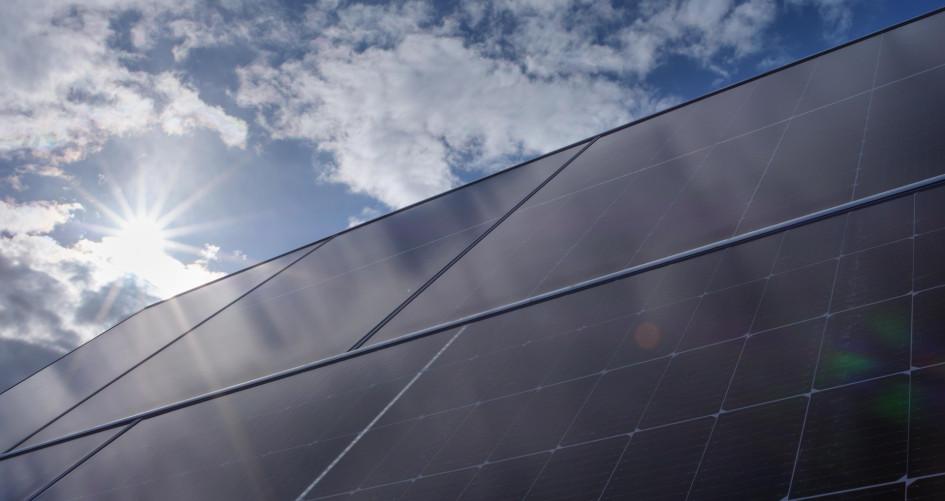
In contrast, renewable energy is increasingly seen as a viable and strategic alternative. Unlike fossil fuels, solar and wind energy are not dependent on vulnerable supply routes such as the Strait of Hormuz, making them more resilient to geopolitical disruptions.
Countries investing in clean energy are already seeing economic benefits. China is expected to save billions annually through electric vehicle adoption, while Pakistan could significantly reduce gas import costs through solar expansion. Similarly, Spain has achieved some of the lowest electricity prices in Europe due to its renewable energy capacity.
Global investment trends also reflect this shift, with over USD 2 trillion flowing into clean energy in the past year—double the amount invested in fossil fuels. However, access to climate finance remains uneven, with developing countries receiving a disproportionately small share.
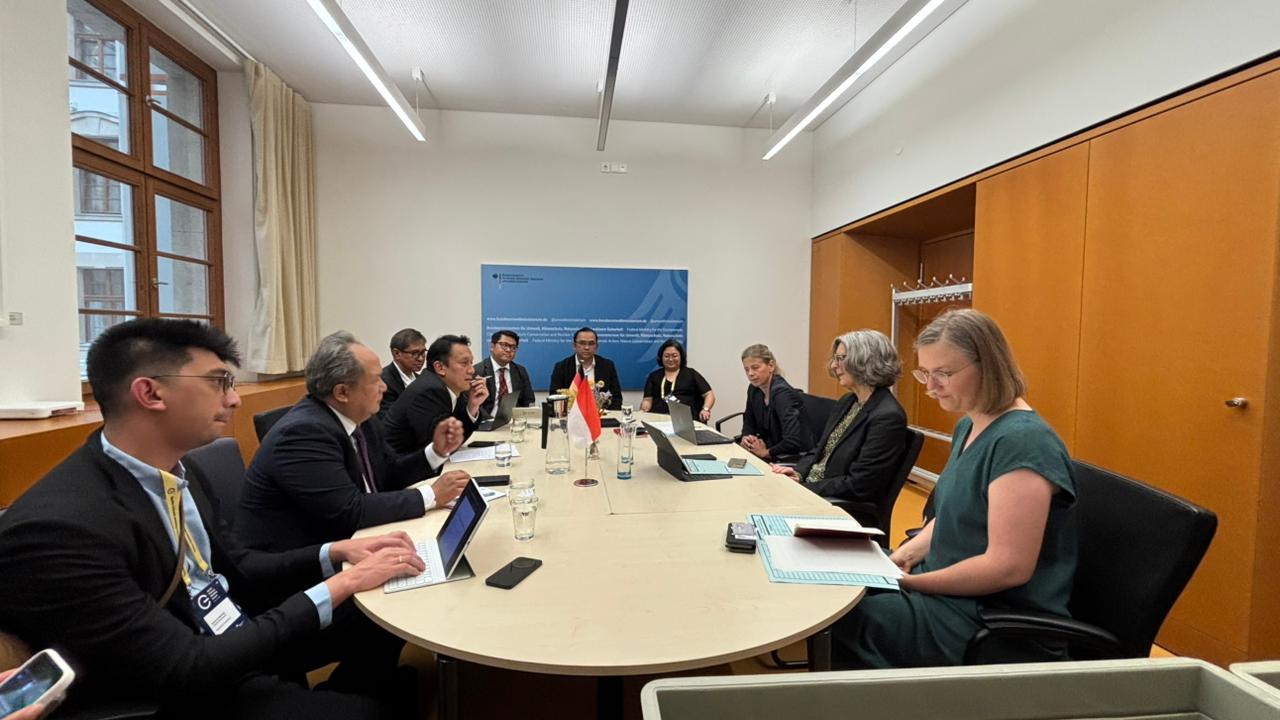
International cooperation, particularly through climate forums such as the COP30 and the upcoming COP31, is seen as critical to accelerating the transition. These platforms aim to mobilize funding, strengthen resilience, and ensure a just transition for economies reliant on fossil fuels.
Experts emphasize that accelerating the shift to clean energy is not only essential for addressing climate change but also for enhancing economic stability and national security in an increasingly volatile world. (*)