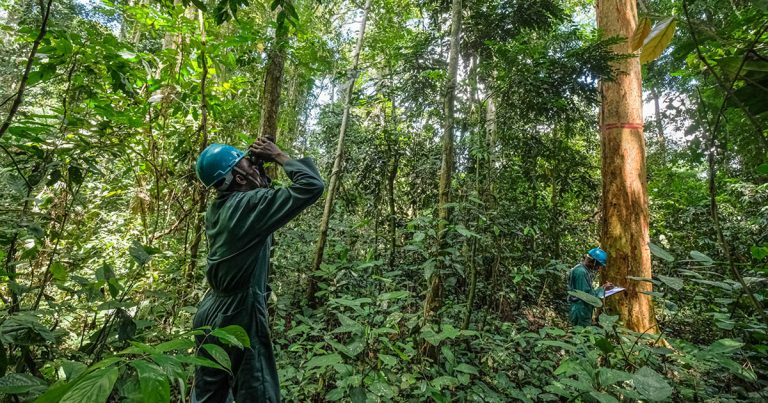
Enviro News Asia, Caribbean — In the scrublands of the southeastern The Bahamas, long before the tropical heat intensifies, local harvester Phillip Williamson carefully navigates dense vegetation in search of Croton eluteria, commonly known as Cascarilla. Native to the northern Caribbean, the modest shrub has become an unlikely bridge between remote island livelihoods and global cocktail culture.
Cascarilla bark contains aromatic oils that provide the distinctive spicy and herbal notes found in Campari, a key ingredient in internationally renowned cocktails such as the Negroni and the Boulevardier. Despite its global demand, few consumers are aware that much of the bark is harvested on sparsely populated islands like Acklins, where economic opportunities remain limited.
Tourism contributes more than half of the national gross domestic product, yet the southeastern islands lie far from mainstream visitor routes. Acklins, with fewer than 1,000 residents and largely covered by scrubland, offers few viable livelihoods. For decades, harvesting Cascarilla bark—locally known as “barking”—has provided an essential income stream. Williamson recalls selling bark as a child to pay school fees, describing the practice as “honest work” rooted deeply in community tradition.
Rising global demand has dramatically altered the economic significance of the plant. Prices increased from approximately USD 5 per pound in 2023 to around USD 15 in 2026, significantly improving household incomes and reducing dependence on tourism. However, the surge has also raised concerns over overharvesting and the absence of formal forestry management frameworks.
These local pressures reflect a global challenge. Billions of people depend on wild species for food, income, and medicine, yet unsustainable use has accelerated biodiversity loss worldwide. International efforts such as the Kunming-Montreal Global Biodiversity Framework seek to promote conservation and sustainable use by 2030.
To address sustainability concerns, the Bahamas Pine Islands Project—funded by the Global Environment Facility and implemented in partnership with the United Nations Environment Programme—supports improved landscape management and sustainable harvesting practices in the southern Bahamas. The initiative spans regulatory reforms, community engagement, and technical assistance.
In 2023, with project support, local leaders established the Acklins Islanders Cooperative Society, breaking a longstanding market monopoly and increasing returns for harvesters. The cooperative promotes sustainable techniques, explores cultivation methods, and invests in value-added processing, including essential oil extraction. Membership has grown to more than 300, with plans to expand into finished products such as perfumes and soaps.
Officials emphasize that long-term planning is critical. Forestry authorities view Cascarilla as one of the country’s most promising sustainable natural products, provided harvesting remains carefully managed. Community leaders agree that preserving the resource is inseparable from securing future livelihoods.
As Acklins charts a new development path, Cascarilla illustrates how biodiversity-based economies—when governed sustainably—can link global markets with local resilience, transforming a humble tree bark into a catalyst for inclusive growth. (*)