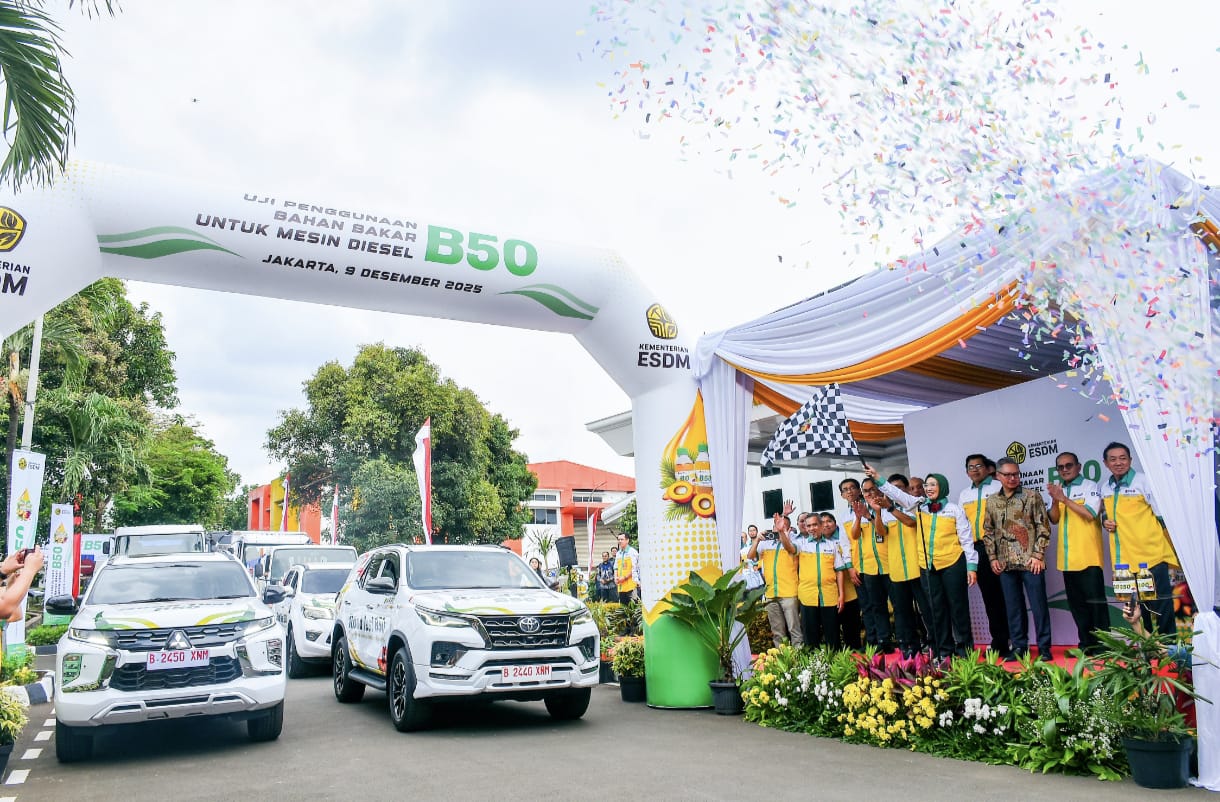
Enviro News Asia, Jakarta — The Government of Indonesia is preparing a phased roadmap for the utilization of biofuels (BBN), including the development of B50, as part of its strategy to strengthen national energy independence and support the transition toward Net Zero Emissions (NZE) by 2060. The initiative is outlined in Ministerial Decree No. 113.K/EK.05/MEM.E/2026 and Ministerial Regulation No. 4 of 2025 issued by the Ministry of Energy and Mineral Resources (ESDM).
Director General of New, Renewable Energy and Energy Conservation (EBTKE), Eniya Listiani Dewi, stated that biofuels play a strategic role in enhancing the national energy mix, reducing dependence on fuel imports, and supporting the growth of domestic resource-based industries while lowering emissions in the energy sector.
She explained that the policy framework is designed to ensure that mandatory biofuel implementation can proceed consistently while remaining adaptive to national readiness. This includes considerations such as feedstock availability, infrastructure capacity, financing mechanisms, and the preparedness of end-user sectors.
According to Eniya, the phased approach provides a comprehensive guideline to optimize biofuel utilization while maintaining realistic implementation targets aligned with existing capacities.
The ministerial decree serves as a strategic reference to encourage investment and accelerate the development of the domestic biofuel industry. It regulates the gradual blending of biofuels into fossil fuels, taking into account supply readiness, infrastructure, financing—particularly for public service obligation (PSO) sectors—and user adaptation.
Meanwhile, Ministerial Regulation No. 4 of 2025 establishes a broader regulatory framework governing biofuel business activities. The regulation covers biofuel types, supply chains from production to distribution, obligations of business entities, pricing mechanisms, as well as technical, safety, environmental, and carbon economic aspects.
The roadmap includes various types of biofuels such as biodiesel, bioethanol, renewable diesel (biohydrocarbon), and sustainable aviation fuel (bioavtur), all to be implemented gradually based on national readiness.
Industry stakeholders have expressed support for the policy. Representatives from the Indonesian Automotive Industry Association (GAIKINDO) emphasized the importance of aligning biofuel usage with vehicle technology compatibility, while the Indonesian Used Cooking Oil Collectors Association (APJETI) highlighted opportunities for expanding the use of waste cooking oil as feedstock, contributing to a circular economy in the energy sector.
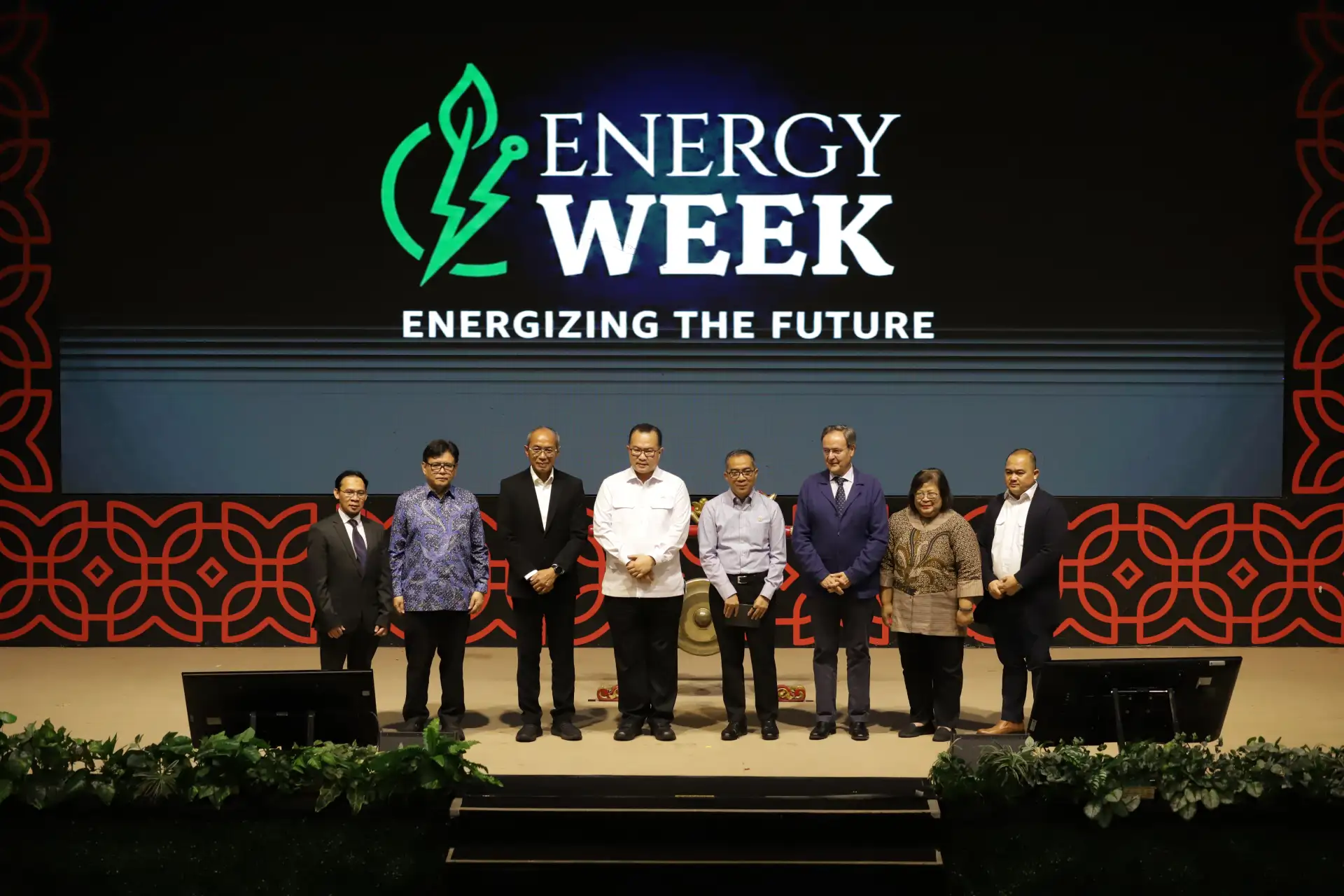
The policy socialization event was attended by representatives from government institutions, state-owned enterprises, energy companies, industry associations, and other stakeholders, reflecting strong cross-sector collaboration in advancing biofuel development in Indonesia. (*)