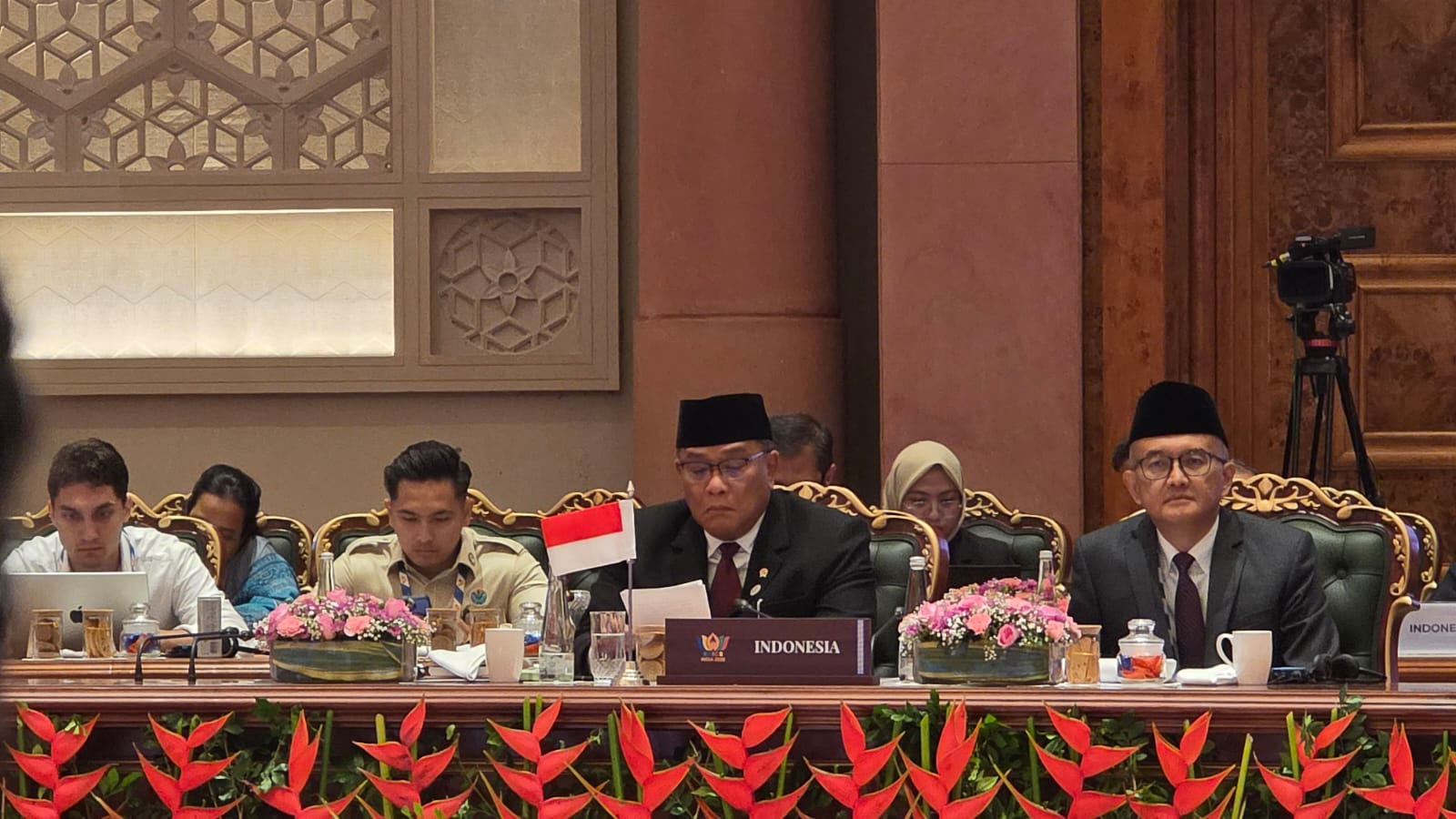
Enviro News Asia, Bogor — Minister of Environment and Head of the Environmental Control Agency (KLH/BPLH) Moh Jumhur Hidayat has emphasized that companies generating hazardous and toxic waste (B3) should be required to establish waste-management contracts directly with licensed B3 waste treatment companies, rather than with waste transporters.
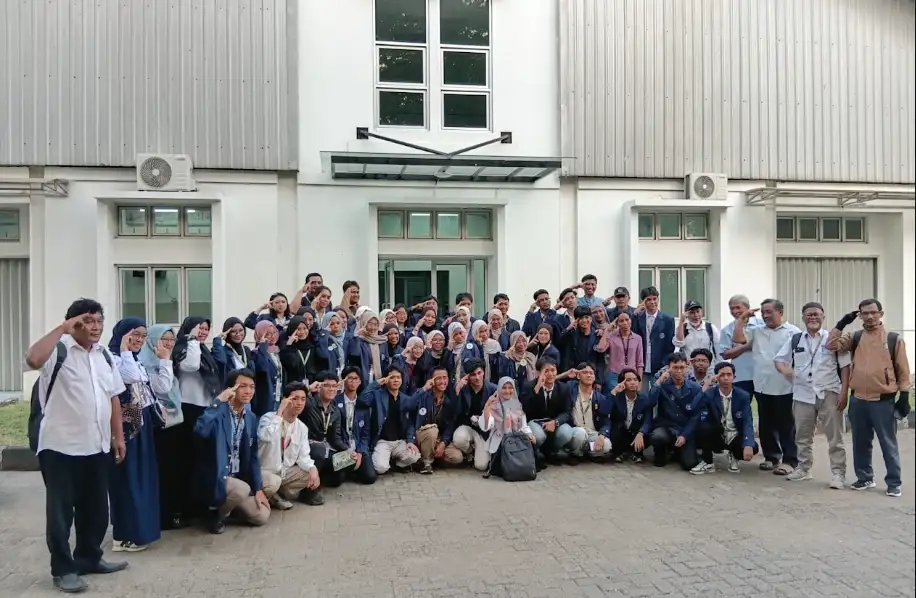
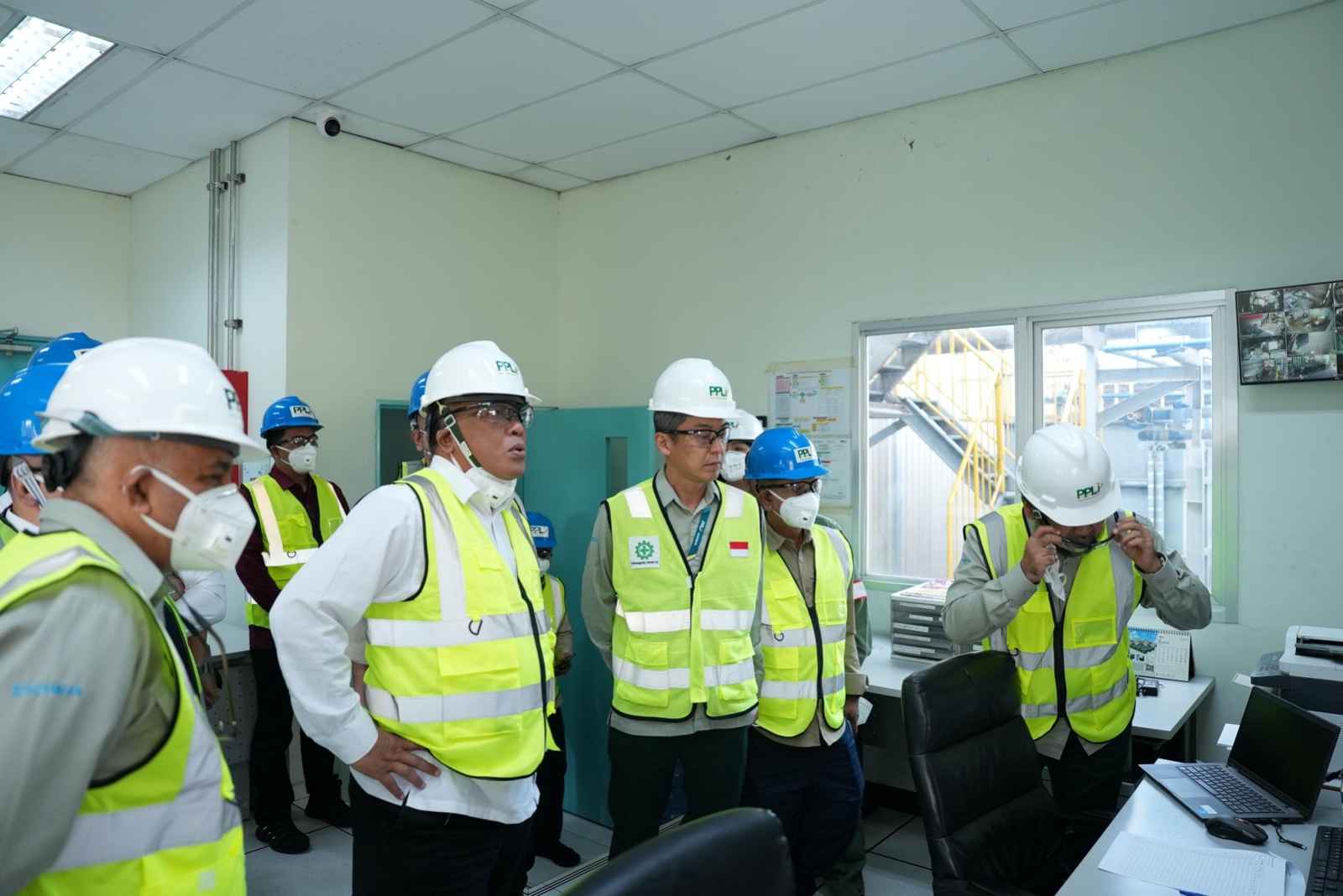
Jumhur made the statement after inspecting the B3 waste management facilities of PT Prasadha Pamunah Limbah Industri (PPLI) in Bogor on August 13, 2026. He said transporters may still be used to move B3 waste, but they must meet applicable requirements and are not authorized to destroy or dispose of the waste.
According to Jumhur, allowing waste generators to contract directly with transporters could increase the risk of illegal disposal. Waste could potentially fail to reach licensed treatment facilities and instead be dumped improperly along transportation routes.
The minister also highlighted the need for minimum and maximum price ranges for B3 waste transportation and treatment services. He said unusually low prices should raise concerns because proper treatment and normalization of hazardous waste require certain scientifically based costs.
Jumhur cited a hypothetical minimum treatment cost of around Rp4,000 per kilogram and questioned offers as low as Rp1,000–Rp1,500 per kilogram. Such price disparities, he said, could indicate that waste is not being properly delivered to treatment facilities.
KLH/BPLH said it would strengthen enforcement to address practices that could lead to illegal B3 waste disposal. The government also emphasized that businesses remain welcome to operate, provided their activities do not damage the environment or endanger public safety.
“Public health and safety are above everything,” Jumhur stressed, emphasizing that hazardous waste management requires strict oversight because even small failures can result in significant environmental and public safety impacts.
He added that the quality of a country’s waste management reflects its level of development and environmental responsibility. Proper management, he said, would also strengthen international confidence in Indonesia’s commitment to environmental protection. (*)