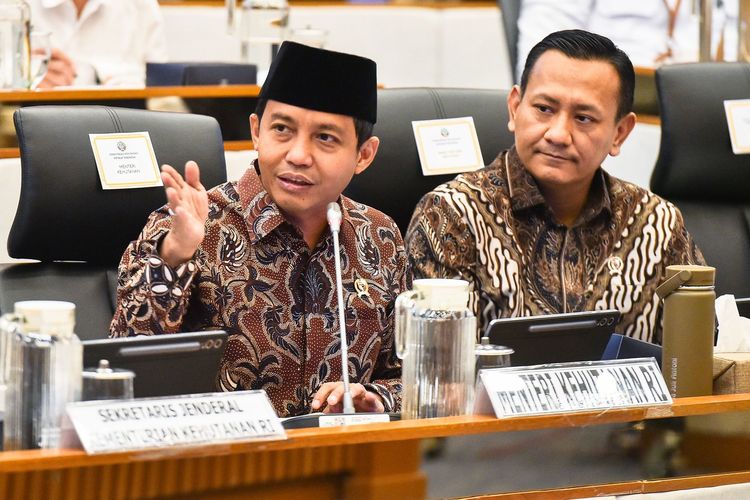
Enviro News Asia, Jakarta – The Ministry of Forestry has introduced a visitor quota policy in Komodo National Park to preserve its ecosystem while ensuring sustainable tourism. The policy was announced by Forestry Minister Raja Juli Antoni during a working meeting with Commission IV of the House of Representatives on April 14–15 in Jakarta.
The quota focuses on three main destinations—Padar Island, Rinca Island, and Komodo Island—as well as 23 surrounding diving sites. The government has set a limit of 1,000 visitors per day, equivalent to approximately 365,000 annually, effective from April 1, 2026.
According to the minister, the policy is based on research indicating that prolonged overtourism could damage the environment and diminish the park’s long-term appeal. He emphasized that the decision followed extensive consultations with stakeholders and tourism operators in Labuan Bajo since May 2025.
The move aligns with the directive of President Prabowo Subianto to promote eco-tourism that balances environmental protection with community welfare.
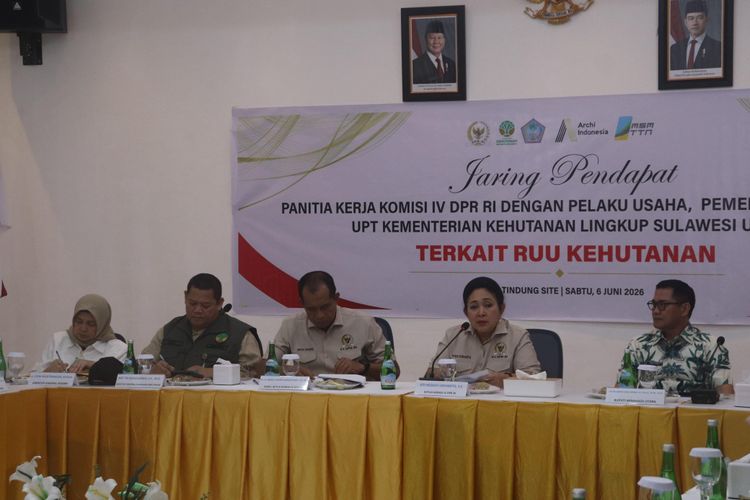
Chair of Commission IV, Titiek Soeharto, expressed support for the conservation effort but stressed the need for stronger public outreach and solutions for local communities affected by the policy. Meanwhile, Deputy Chair Alex Indra Lukman highlighted the importance of maintaining a balance between conservation and economic utilization in line with the ministry’s principle of “Sustainable Forests, Prosperous Communities.”
As part of a complementary strategy, Deputy Forestry Minister Rohmat Marzuki announced plans to develop ex-situ conservation for the Komodo dragon outside the national park. This initiative aims to create alternative tourist destinations without disturbing the species’ natural habitat.
The meeting concluded with an agreement to regularly assess the park’s ecological carrying capacity and accelerate the development of ex-situ conservation programs as part of broader efforts to strengthen ecosystem resilience and diversify tourism options.
The policy reflects the government’s commitment to balancing biodiversity conservation with sustainable economic development in East Nusa Tenggara. (*)