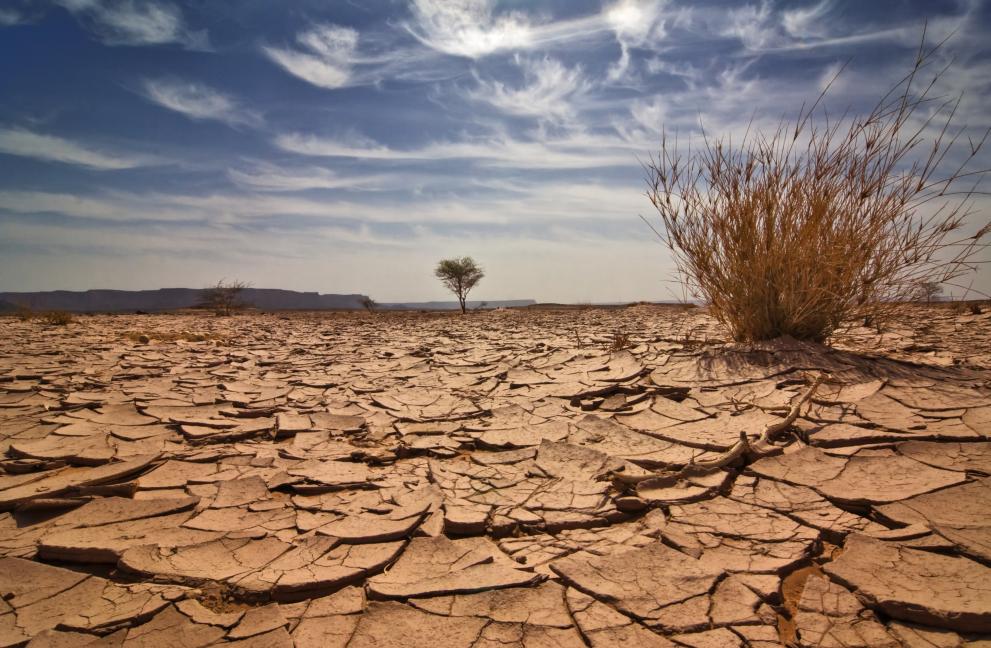
Enviro News Asia, Jakarta – Land degradation and drought have become a critical global challenge for Indonesia and other signatory countries of the Rio Conventions, closely tied to shared commitments on global climate action and biodiversity protection. To date, land conversion and changing land use remain the primary drivers of shrinking forest cover, directly contributing to the expansion of degraded land across the country.
At the national level, efforts to combat forest and land degradation play a crucial role in supporting Indonesia’s climate commitments, particularly the country’s Forestry and Other Land Use (FOLU) Net Sink 2030 target, under which greenhouse gas emission absorption from the forestry and land-use sector is expected to match or exceed emissions by 2030. Accelerating the rehabilitation of critical land is therefore no longer simply an ecosystem health measure, but an essential strategy for curbing national carbon emissions.
This year’s World Desertification and Drought Day carries the global theme “Rangeland: Recognize, Respect, Restore,” spotlighting the central role of rangelands in supporting climate resilience, food security, clean water availability, and biodiversity conservation, while also emphasizing the importance of preserving the cultural identity of pastoralist, herder, and indigenous communities worldwide. The United Nations Convention to Combat Desertification (UNCCD) is hosting this year’s global commemoration in Kenya in recognition of the country’s leadership in sustainably tackling land degradation.
Indonesia’s Ministry of Forestry stated that the 2026 global theme aligns closely with the country’s national policy direction on combating land degradation and drought. The government’s strategic policy continues to prioritize and value the active participation of local communities through three main implementation pillars.
Recognize involves identifying and mapping rangelands proven to contribute to biodiversity protection, regulating hydrological systems and water cycles, and acting as carbon sinks. Respect means honoring the role of livestock farmers, herders, indigenous peoples, and local communities who have consistently maintained land health and productivity through ecological practices rooted in local wisdom. Restore involves concrete steps to rehabilitate degraded landscapes to secure community livelihoods and the continuity of ecosystem services, pursued through investment in sustainable land and water management, strengthened institutional governance, and full support for community-based restoration movements.
These efforts are fully in line with the Ministry of Forestry’s broader mission of establishing site-level governance capable of delivering balanced ecological, economic, and social benefits to support national green economic growth. As such, Indonesia’s land degradation and drought mitigation schemes are directed toward maintaining forest ecosystem resilience, boosting the production of environmental goods and services to support food and energy security, and mobilizing forest-based site entities as engines of community welfare and stronger social safety nets.
On the ground, agroforestry has emerged as one of the leading solutions bridging local economic needs with the rehabilitation of degraded land through the Forest and Land Rehabilitation (RHL) scheme. Under this scheme, local communities serve not merely as objects of rehabilitation efforts but as primary actors entitled to direct outcomes from the commodity crops produced. Beyond agroforestry, respect for local culture is also reflected in the development of silvopasture systems, which integrate traditional livestock grazing practices with sustainable forest management.
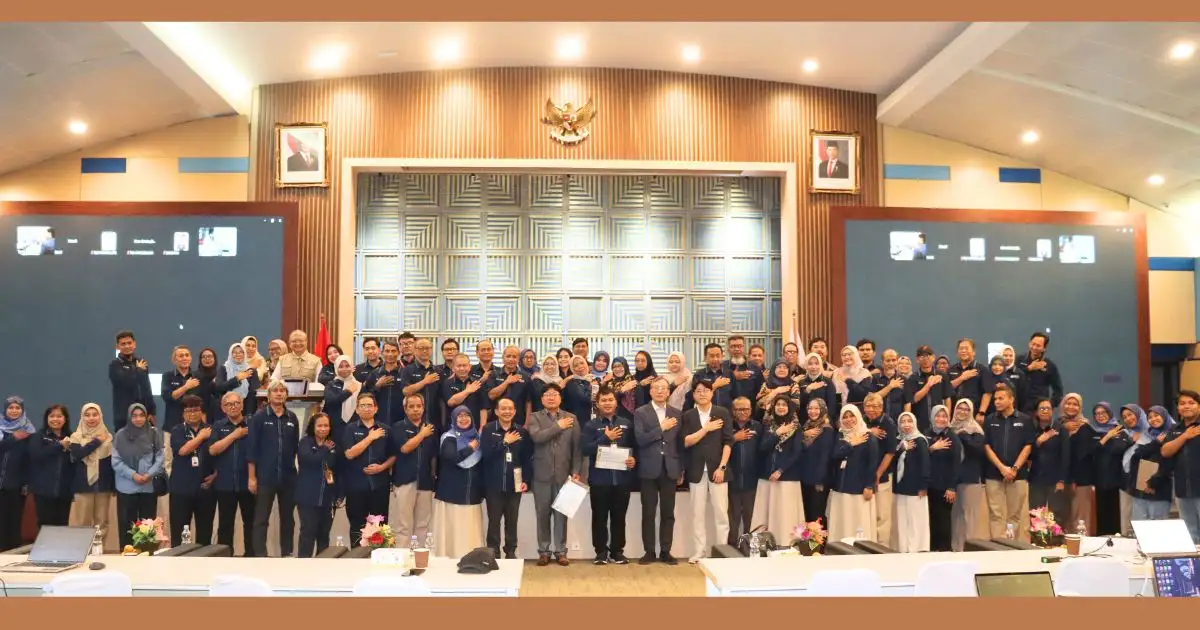
The Ministry of Forestry maintains that efforts to combat land degradation and drought will only be effective through inclusive, multi-stakeholder (pentahelix) collaboration, requiring solid synergy among government, communities, academics, the business sector, civil society organizations, and the press in jointly overseeing integrated watershed management.
At the national level, the 2026 Desertification and Drought Day commemoration includes a series of public campaign activities, an environmental photography competition, and a culminating event in the form of a Talk Show on Combating Land Degradation and Drought, scheduled for July 1, 2026. The event is expected to bring together environmental leaders and field practitioners with proven track records of action on the ground.
The active involvement of various stakeholders throughout this commemoration reflects Indonesia’s international commitment to promoting sustainable land management. It also forms part of the country’s broader environmental diplomacy agenda ahead of its participation in COP17 UNCCD, scheduled to be held in Ulaanbaatar, Mongolia, from August 17–28, 2026. (*)