Enviro News Asia, Jakarta — As we enjoy sweet honey pineapples or California papayas, while foreign tourists express fascination with Bali’s salak—commonly called snake fruit for its scale-like skin—and become enchanted by the taste and shape of Indonesian mangosteen, we are reminded of the archipelago’s rich legacy of tropical fruits.
Indonesia is renowned for its exceptional diversity of local tropical fruit varieties, offering not only unique flavors that captivate international visitors but also significant potential in global trade.
According to the Food and Agriculture Organization (FAO) in 2019, Indonesia ranked as the world’s fifth-largest producer of tropical fruits, following India, China, Thailand, and Mexico.
However, less than 5 percent of Indonesia’s total national production is exported, with key destinations being ASEAN countries, Australia, and the Middle East. The main export commodities include mangosteen, salak, papaya, and mango.
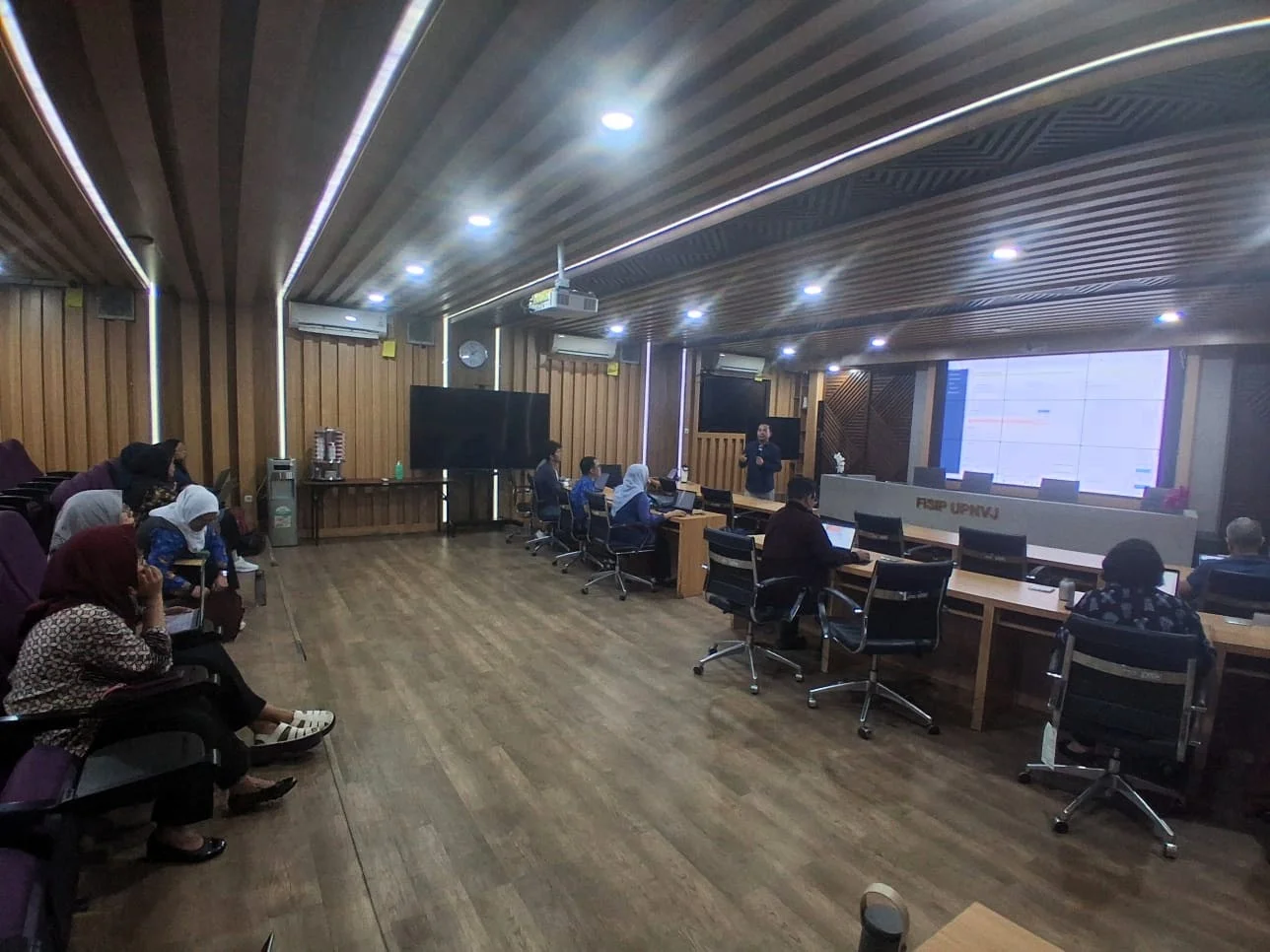
This issue was the focus of a discussion hosted by the Center for Technology and Innovation Studies (CTIS) under the theme “National Strategic Research and Biocyclofarming Techniques”, held on Wednesday, 18 June 2025.
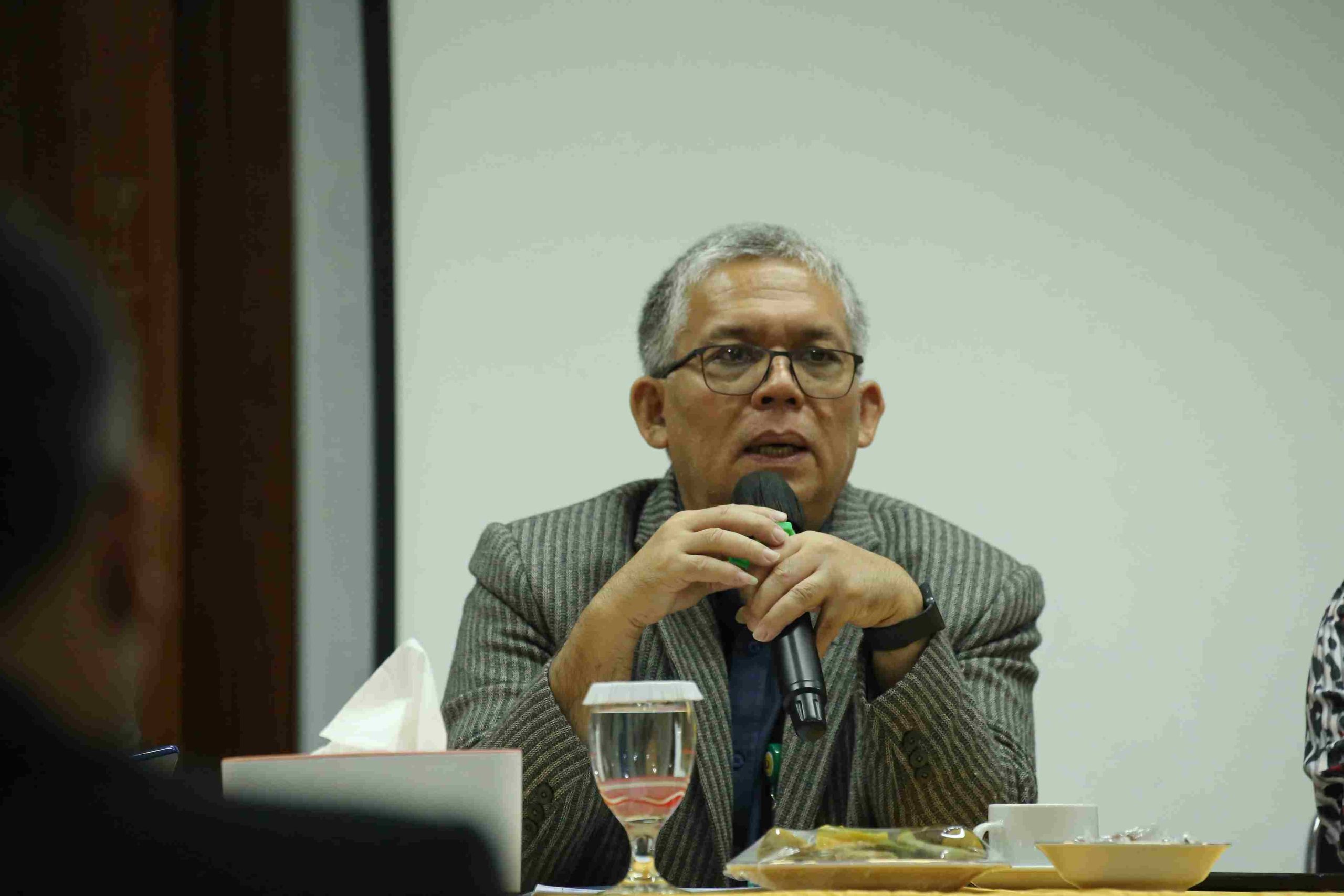
The event featured Prof. Dr. Tien Muchtadi, Chair of the CTIS Agriculture Committee and former Deputy Minister of Research and Technology, as the keynote speaker, moderated by Dr. Ir. Idwan Soehardi, also a former Deputy Minister.
During her presentation, Prof. Tien recalled that during her tenure under Minister Hatta Rajasa (2001–2004), the government had developed a technology roadmap for the advancement of Indonesia’s tropical fruits.
This roadmap laid the foundation for the National Strategic Research (Riset Unggulan Strategis Nasional or Rusnas) in the agricultural sector, focusing on research-based development of leading fruit varieties.
Market-Oriented Innovation Rooted in Local Potential
According to Prof. Tien, a technology roadmap is vital to understanding future challenges, strengthening collaboration, and minimizing the risks of technology investment. It also helps identify key technologies, close innovation gaps, and broaden industry access to R&D outcomes.
“Innovation must reach the market and be embraced by industry,” she emphasized.
One of Rusnas’ key outcomes was the development of the Calina variety of papaya, popularly branded as California papaya.
This variety, bred by researchers from IPB University, is now widely cultivated by farmers throughout Indonesia due to strong domestic and international demand.
“The name ‘California’ is purely a branding strategy and has no link to the U.S. state,” she clarified.
Other commodities developed through the Rusnas program include honey pineapples and seedless mangosteens.
Indonesian mangosteens are particularly prized for their sweet flavor and generous flesh.
These products are gaining popularity in both modern and traditional markets and have become core export commodities.
Prof. Tien affirmed that Rusnas was designed with the ambitious goal of making Indonesia the leading producer of tropical fruits in ASEAN by 2025 and the world’s top exporter by 2045.
Sustainability and Government Support Are Key
Unfortunately, Prof. Tien noted that Rusnas was discontinued following the dissolution of the Ministry of Research and Technology, potentially disrupting Indonesia’s strategic vision in the tropical fruit sector.
She explained that the research and development phases had already been successfully completed and that technological implementation had begun through pilot testing at Agro Techno Parks (ATP) across regions such as South Sumatra and West Java.
Entering the innovation phase, industries had begun partnering through these techno-parks.
Given President Prabowo’s stated goals of improving nutrition and public health through Asta Cita, the availability and promotion of Indonesia’s tropical fruits are increasingly relevant.
As a comparison, she cited Costa Rica—dubbed the “Banana Republic”—whose banana exports dominate the global market thanks to integrated R&D and technological advancements.
Argentina, she added, has also implemented cutting-edge halal meat processing technologies with remarkable efficiency.
Prof. Tien expressed her hope that the technology roadmap and Rusnas program will be revived under President Prabowo Subianto’s administration.
“I would like to meet President Prabowo to advocate for the continuation of Rusnas. He once led the Indonesian Farmers Association (HKTI) and cares deeply about food security,” she said.
She also hopes BRIN will see the downstreaming of tropical fruit products through to industrial innovation.
The Role of Agro Techno Parks and Technology-Based SMEs
Support for Rusnas outcomes was also manifested in the establishment of Agro Techno Parks (ATP) in several regions.
These serve as centers for agricultural technology research and development, including tropical fruit cultivation.
“Our research-bred seedlings are planted in ATPs through to harvest. Then, through private sector partnerships, the seedlings are distributed to farmers for further cultivation,” explained Prof. Tien.
However, without continuity into downstream phases, this potential risks being lost.
“It remains my dream to make bananas a national labor-intensive project, just as Costa Rica has done,” she concluded hopefully. (*)