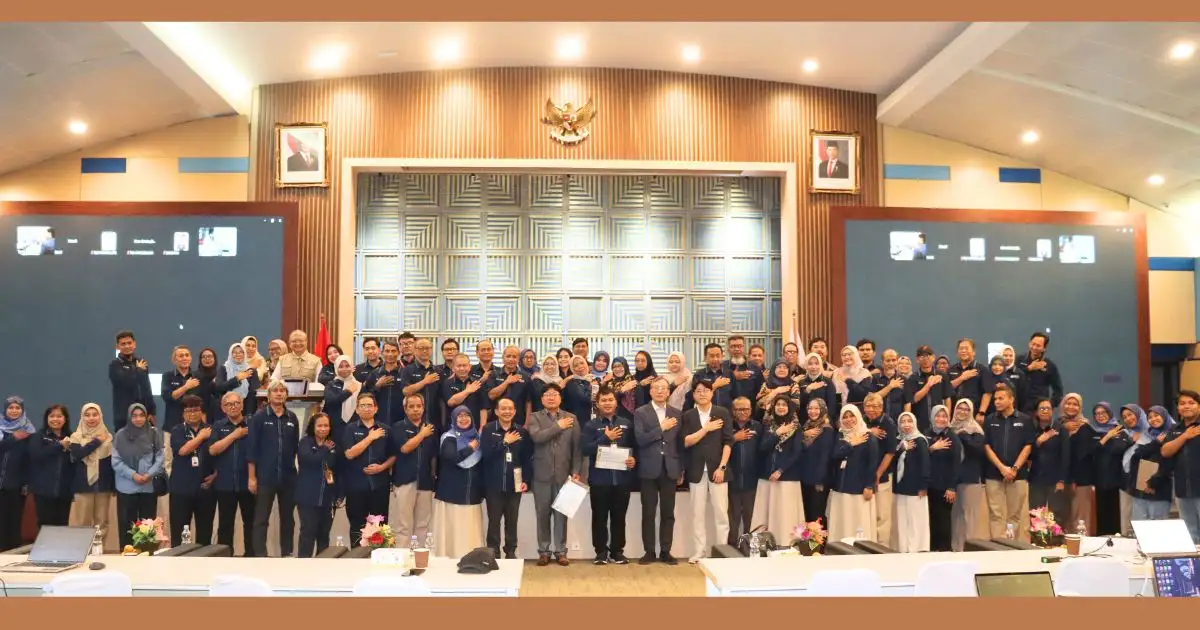


Enviro News Asia, Lima – Indonesia reaffirmed its leadership in tropical peatland conservation by promoting the International Tropical Peatlands Center (ITPC) as a global platform for cooperation and sharing its experience in sustainable peatland governance during the second day of the Fourth Technical Meeting of the Partners of the Global Peatlands Initiative (GPI-4) in Lima, Peru.
The international forum brought together government representatives, scientists, international organizations, and conservation partners to strengthen collaboration on the protection and sustainable management of peatland ecosystems. Indonesia highlighted the need for stronger partnerships among tropical peatland countries through scientific collaboration, knowledge exchange, capacity building, and coordinated policy development.
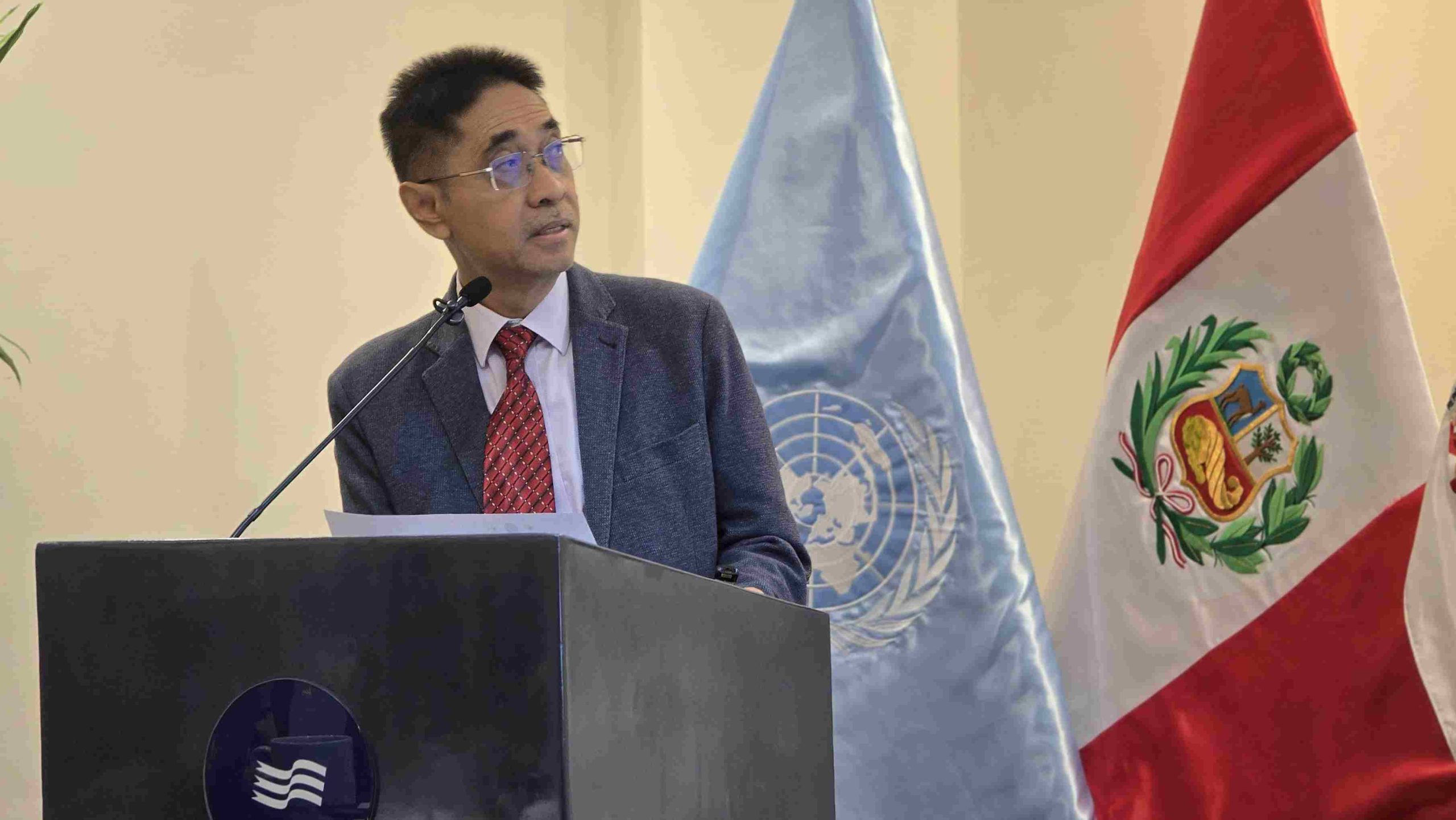
Speaking during the session titled “Transforming Perceptions: The Role of ITPC in Sustainable Tropical Peatland Forest,” Agus Justianto emphasized the growing importance of the International Tropical Peatlands Center as a global knowledge hub for research, innovation, and cooperation.
“The ITPC should serve as a common platform where policymakers, researchers, practitioners, and local communities can access credible scientific information to support informed decision-making,” Agus said.
He explained that the center’s role extends beyond research by connecting scientific evidence, field experience, policy development, and best management practices across tropical peatland nations.
According to Agus, the complex challenges facing tropical peatlands cannot be addressed by individual countries alone. Through the ITPC, Indonesia is working to strengthen South-South cooperation, expand networks of experts, facilitate data sharing, and enhance technical capacity for sustainable peatland management.
“Collaboration among tropical peatland countries is essential. By exchanging knowledge and lessons learned, we can accelerate conservation efforts and promote more sustainable management of these globally important ecosystems,” he said.
Looking ahead, Agus said the ITPC will continue expanding its international engagement through capacity-building initiatives, knowledge-sharing programs, comparative studies, policy dialogue, and partnerships with governments, research institutions, civil society organizations, and development partners at national, regional, and global levels.
In a separate session, Bambang Supriyanto presented Indonesia’s experience in peatland governance, highlighting the country’s progress in policy reform, institutional strengthening, ecosystem restoration, sustainable utilization, and community participation.
Indonesia is home to approximately 24.67 million hectares of peat hydrological areas, including 16.36 million hectares located within forest areas managed by the Ministry of Forestry and 8.31 million hectares outside forest areas under the Ministry of Environment.
“Indonesia believes peatland protection must be comprehensive—from sound policies and strong institutions to ecosystem restoration, sustainable utilization, and the empowerment of local communities,” Bambang said.
He noted that the government’s institutional restructuring in 2024, which separated the Ministry of Environment and Forestry into two ministries, has clarified responsibilities for peatland governance. The Ministry of Forestry has also established a dedicated team working alongside the FOLU Net Sink 2030 Ad Hoc Team to strengthen peatland conservation, protection, rehabilitation, and sustainable management.
Indonesia has also developed a comprehensive regulatory framework that prioritizes ecosystem protection, ecosystem-based management, sustainable utilization, integrated monitoring, and effective law enforcement.
“Peatlands are both ecological and strategic assets. Their management must prioritize ecosystem protection, responsible utilization, systematic monitoring, and consistent law enforcement,” Bambang said.
Indonesia’s peatland strategy also promotes community-based conservation by supporting village regulations, strengthening local institutions, improving village development planning, encouraging village-owned enterprises (BUMDes), and expanding community participation in peatland management.
The country further highlighted efforts to integrate peatland and mangrove conservation into school curricula in several regions, including Jambi, Riau, and Kubu Raya Regency, to strengthen environmental awareness among younger generations and foster long-term public support for peatland conservation.
By promoting the ITPC and sharing its practical experience in peatland governance, Indonesia reaffirmed its commitment to advancing international cooperation on tropical peatland conservation. The country aims to strengthen global partnerships that support ecosystem restoration, biodiversity conservation, community resilience, and the achievement of the Sustainable Development Goals. (*)