Enviro News Asia, Antalya — Indonesia has called for stronger landscape partnerships to connect forest protection commitments with local development, placing communities and local institutions at the centre of efforts to build sustainable economies and protect ecosystems.
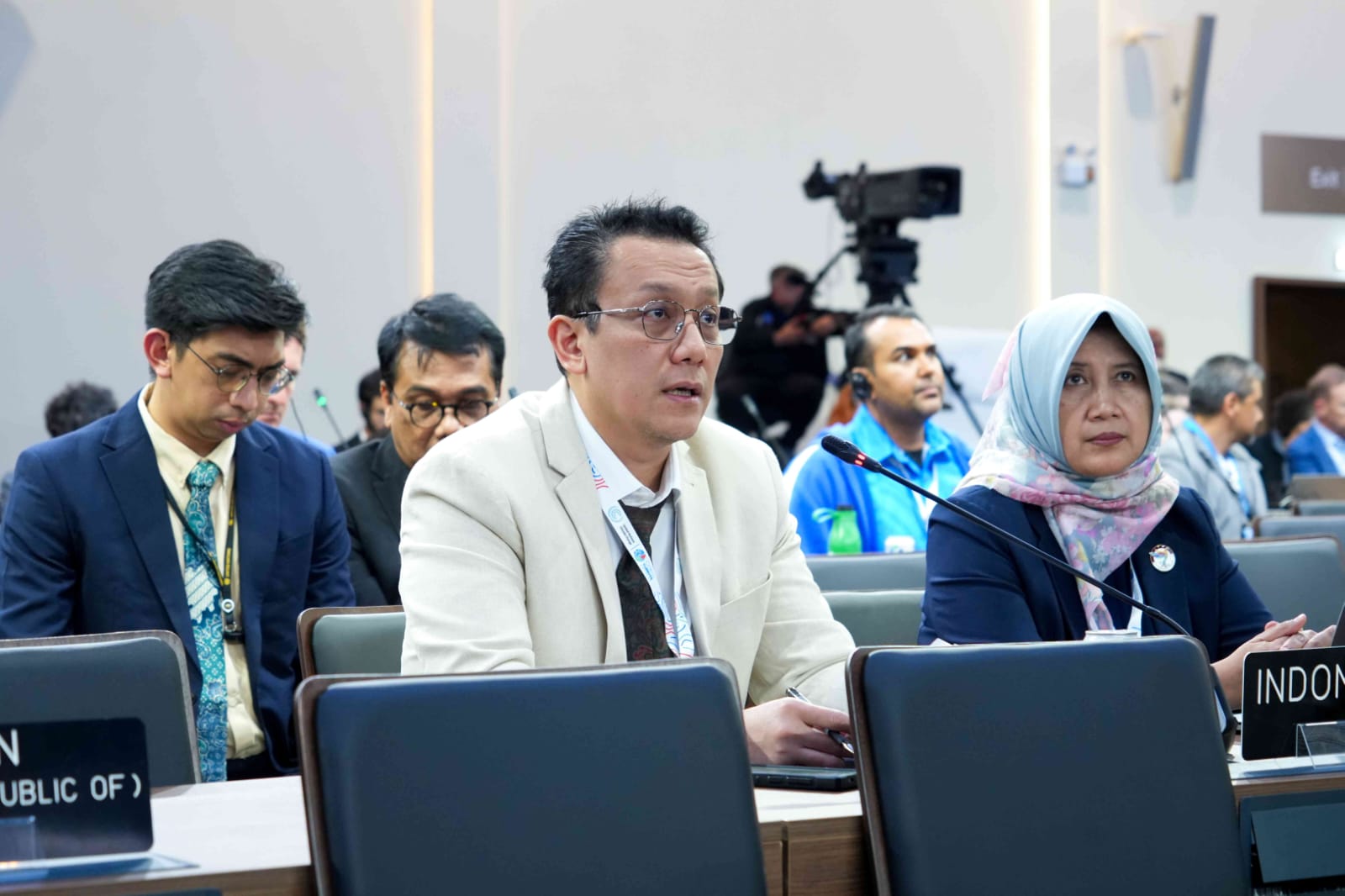
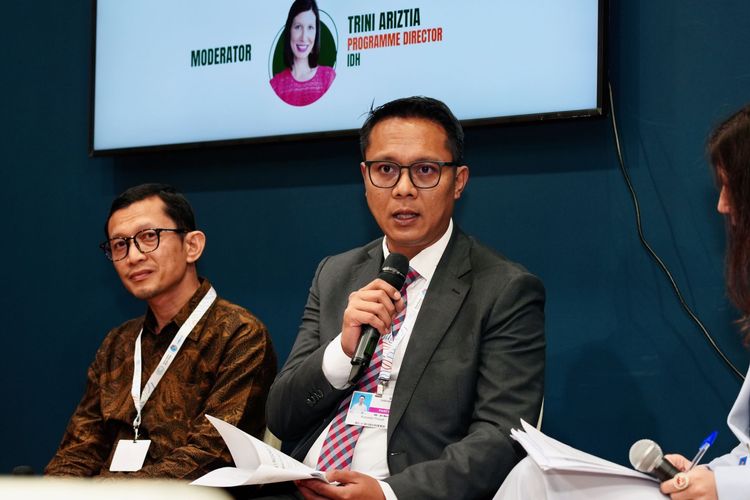
The call was made by Forestry Ministry Head of Public Relations and International Cooperation Bureau Ristianto Pribadi during a discussion titled “A Decade of Landscape Partnerships: Learnings, Replication and Scaling” at the Benelux–European Investment Bank (EIB) Pavilion during the 31st UN Climate Change Conference (COP31) in Antalya, Türkiye, on Nov. 17.
The session also featured Wampie Libon-van der Wal, Director of Inclusive Green Growth and Ambassador for Sustainable Development at the Dutch Ministry of Foreign Affairs; Nassat Idris, Country Director of IDH Indonesia; and Rudi Putra, Strategic Advisor at the Leuser Conservation Forum. Trini Aritzia, IDH Programme Director, moderated the discussion.
Ristianto said landscape partnerships could bridge national forestry commitments and implementation on the ground by bringing governments, communities, farmers, businesses and civil society organisations together around shared priorities.
“Through these partnerships, stakeholders can work together to protect forests, strengthen sustainable production and improve community welfare,” he said.
The forum reviewed lessons from a decade of landscape partnerships facilitated by IDH and its partners across Africa, Asia and Latin America. Discussions focused on identifying success factors, expanding proven approaches and strengthening institutional and financial support to ensure long-term benefits.
Ristianto said forest protection, agricultural production and community livelihoods were interconnected within the same landscape. Partnerships provide a platform for stakeholders to agree on priorities, clarify responsibilities and coordinate cross-sectoral and regional activities with local development plans.
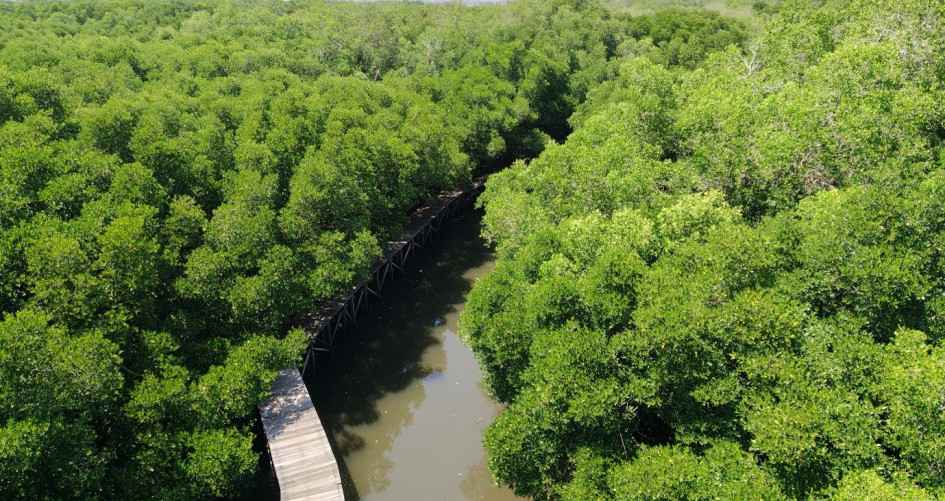
Indonesia’s experience in Aceh Tamiang was among the examples presented. Collaboration at the district level demonstrated the importance of trust among partners, government leadership and strong institutions capable of sustaining cooperation.
The experience also offered lessons for strengthening provincial coordination to support the protection of the Leuser Ecosystem.
“Scaling up partnerships must be based on credible local institutions and accountable results,” Ristianto said. He added that the government played a role in linking field-level achievements with development planning, maintaining continuity and ensuring meaningful community participation and benefits.
The Forestry Ministry identified three priorities for expanding the impact of landscape partnerships: long-term business commitments, complementary financing and alignment with government priorities and systems.
Business commitments should include support for smallholder farmers, improved supply-chain traceability and contributions to forest protection and restoration. Coordinated approaches can reduce duplication, make support more effective and facilitate the participation of small-scale producers.
On financing, grants can strengthen local institutions, improve data quality, build trust and support community participation. Commercial investment, meanwhile, can help develop viable businesses and sustainable production.
Ristianto said each funding source should have a clearly defined role and be tailored to local conditions and needs.
Expanding partnerships also requires connecting district-level implementation with provincial planning and national forestry targets. Such support can strengthen Social Forestry, forest rehabilitation and biodiversity conservation, while contributing to Indonesia’s FOLU Net Sink 2030 target.
The ministry said partnership outcomes should be measured through improvements in forest conditions, community livelihoods and local governance. Transparent monitoring and clear benefit-sharing arrangements are also essential to maintaining trust and ensuring long-term cooperation.
“Over the next three years, we need to expand landscape partnerships led by local stakeholders to promote economically viable, socially accepted and ecologically sustainable activities, supported by long-term financing and aligned with provincial and national priorities,” Ristianto said.
The Forestry Ministry said Indonesia was ready to deepen cooperation at local, district, provincial, national and international levels. The aim is to strengthen local partners’ capacity to manage development in their own landscapes while safeguarding forest sustainability. (*)