

Enviro News Asia, Jakarta — Indonesia recorded 372 high-confidence fire hotspots nationwide as of Wednesday, Oct. 14, prompting the Ministry of Forestry to intensify ground and aerial operations while strengthening efforts to protect Tanjung Puting National Park in Central Kalimantan.
Data from the ministry’s SiPongi monitoring system showed a 52.5 percent increase from 244 hotspots recorded a day earlier, with 294 hotspots detected across six priority provinces, up from 148.
Central Kalimantan recorded the highest number among the priority provinces, with 130 hotspots, followed by South Sumatra with 91 and West Kalimantan with 59. Jambi recorded nine hotspots, South Kalimantan five, while Riau reported none.
The ministry said hotspots are satellite-detected surface temperature anomalies identified through NASA Terra/Aqua, SNPP and NOAA-20 observations. A single fire may generate multiple hotspot readings, meaning the figures do not directly represent the number of fires or the total area burned. Field verification is therefore necessary.
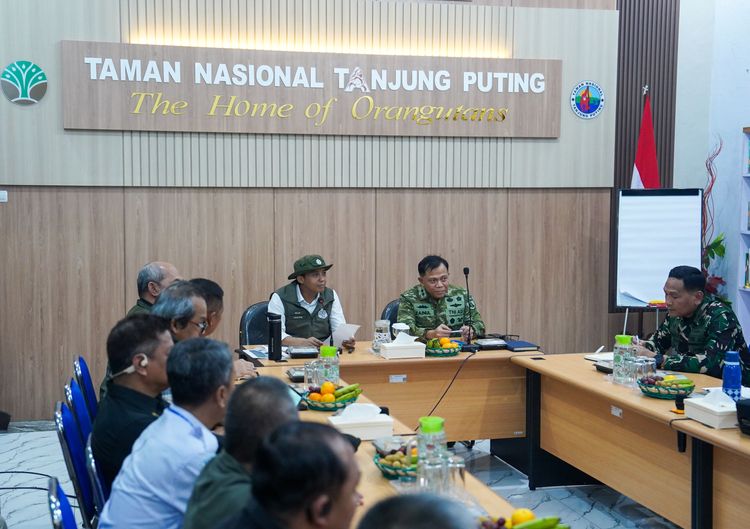
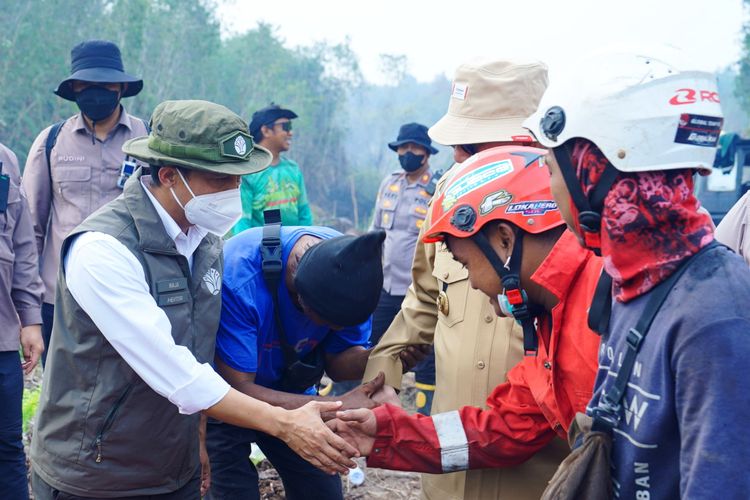
Forestry Minister Raja Juli Antoni visited the Tanjung Puting National Park office in West Kotawaringin regency on Wednesday to review fire response efforts in the conservation area. He held a coordination meeting with regional authorities, the military, police, disaster management agencies, park officials and other stakeholders.
The meeting focused on accelerating response efforts at four priority locations, strengthening firefighting personnel and logistics, securing water supplies, and improving coordination between ground crews and aerial operations.
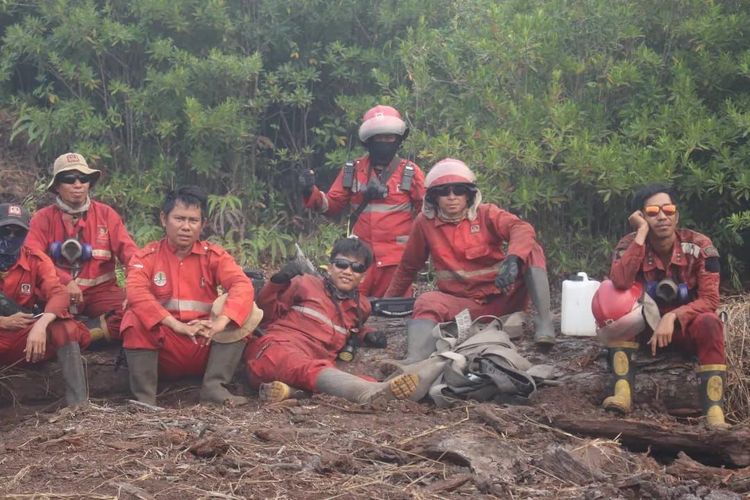
Around 160 additional ground personnel were being deployed to reinforce field operations. The ministry was also expanding water access through bore wells and preparing alternative aerial support from Kuala Pembuang if conditions required it.
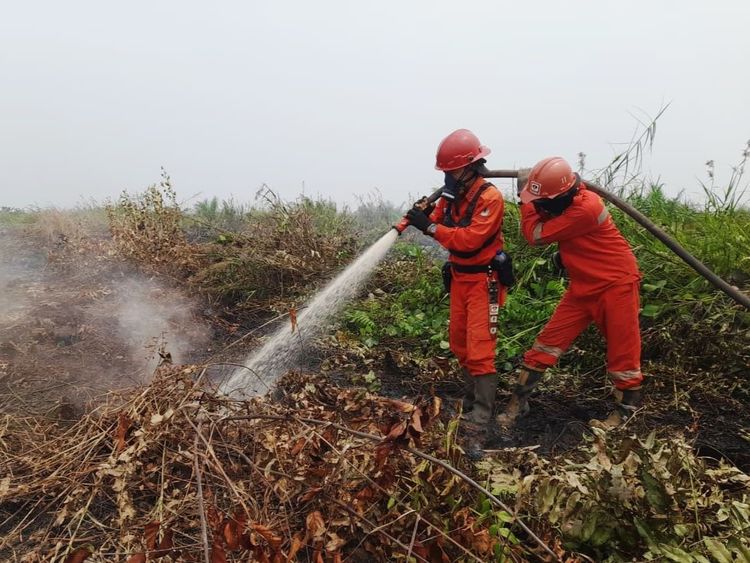
Raja Juli stressed that firefighting in peatlands must continue beyond extinguishing visible flames. Crews need to wet and cool affected areas, inspect the ground and carry out mop-up operations to eliminate remaining embers, which can persist underground and reignite during dry or windy conditions.
Protecting the park’s core zones and wildlife habitats, particularly those used by orangutans, remains a priority. Patrols and monitoring are continuing to assess potential fire impacts on wildlife and their movements.
The ministry urged residents not to attempt to rescue affected, injured or displaced wildlife themselves. Instead, they should maintain a safe distance, record the animal’s location and condition if possible, and report the situation to Tanjung Puting National Park authorities, the Natural Resources Conservation Agency or forestry officers.
Across affected regions, Manggala Agni firefighting teams are working with the National Disaster Mitigation Agency, security forces, local governments, communities, volunteers and businesses. Operations include hotspot verification, patrols, direct firefighting, fireline containment, wetting, cooling and searches for remaining embers.
Air quality is also being monitored. The ministry reported that much of Indonesia remained within good to moderate PM2.5 categories, although some areas of Sumatra, Kalimantan, Java and Papua experienced unhealthy to very unhealthy conditions, with locally hazardous readings.
Residents in affected areas were advised to follow official air quality updates, reduce outdoor activities when pollution worsens and wear masks when going outside. Children, pregnant women, older people and those with respiratory or chronic illnesses were urged to take particular care.
The ministry reiterated its warning against clearing or opening land by burning. Residents and businesses were asked to report smoke, fires or burning activities promptly so authorities could respond at an early stage. (*)