Enviro News Asia, Antalya — Indonesia has highlighted progress in implementing its FOLU Net Sink 2030 strategy, emphasizing the alignment of national policies, regional action, sustainable financing and international cooperation to achieve its forest and land-use emissions targets. The government said measurable results, stronger monitoring and community participation would be essential to meeting its 2030 climate commitments.
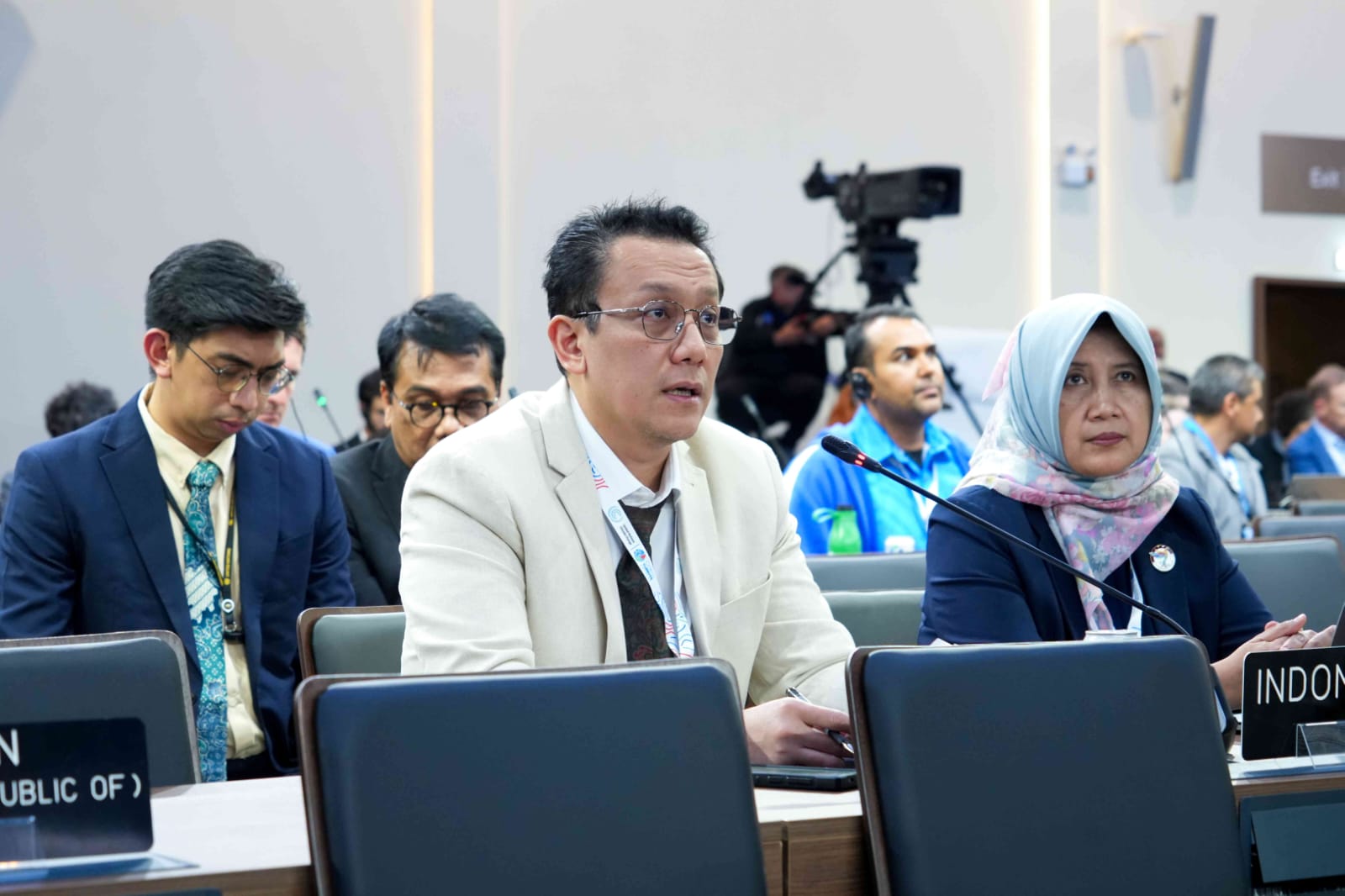
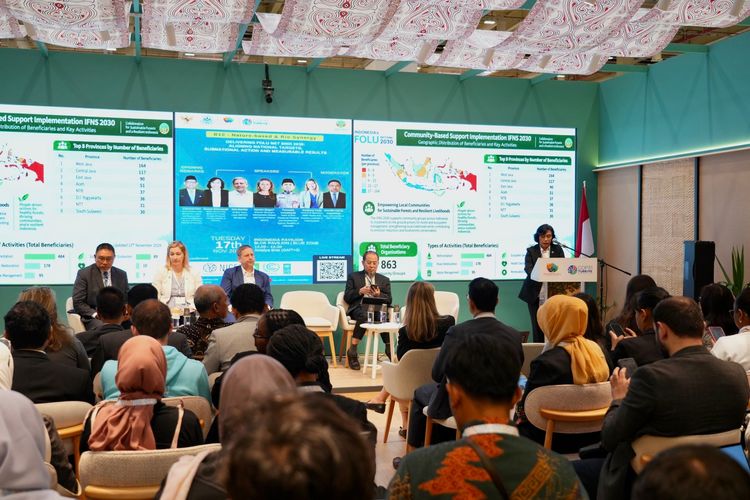
The progress was discussed during a dialogue titled “Delivering FOLU Net Sink 2030: Aligning National Targets, Subnational Action and Measurable Results” at the Indonesia Pavilion during the 31st United Nations Climate Change Conference (COP31) in Antalya, Türkiye, on Tuesday (Nov. 17, 2026).
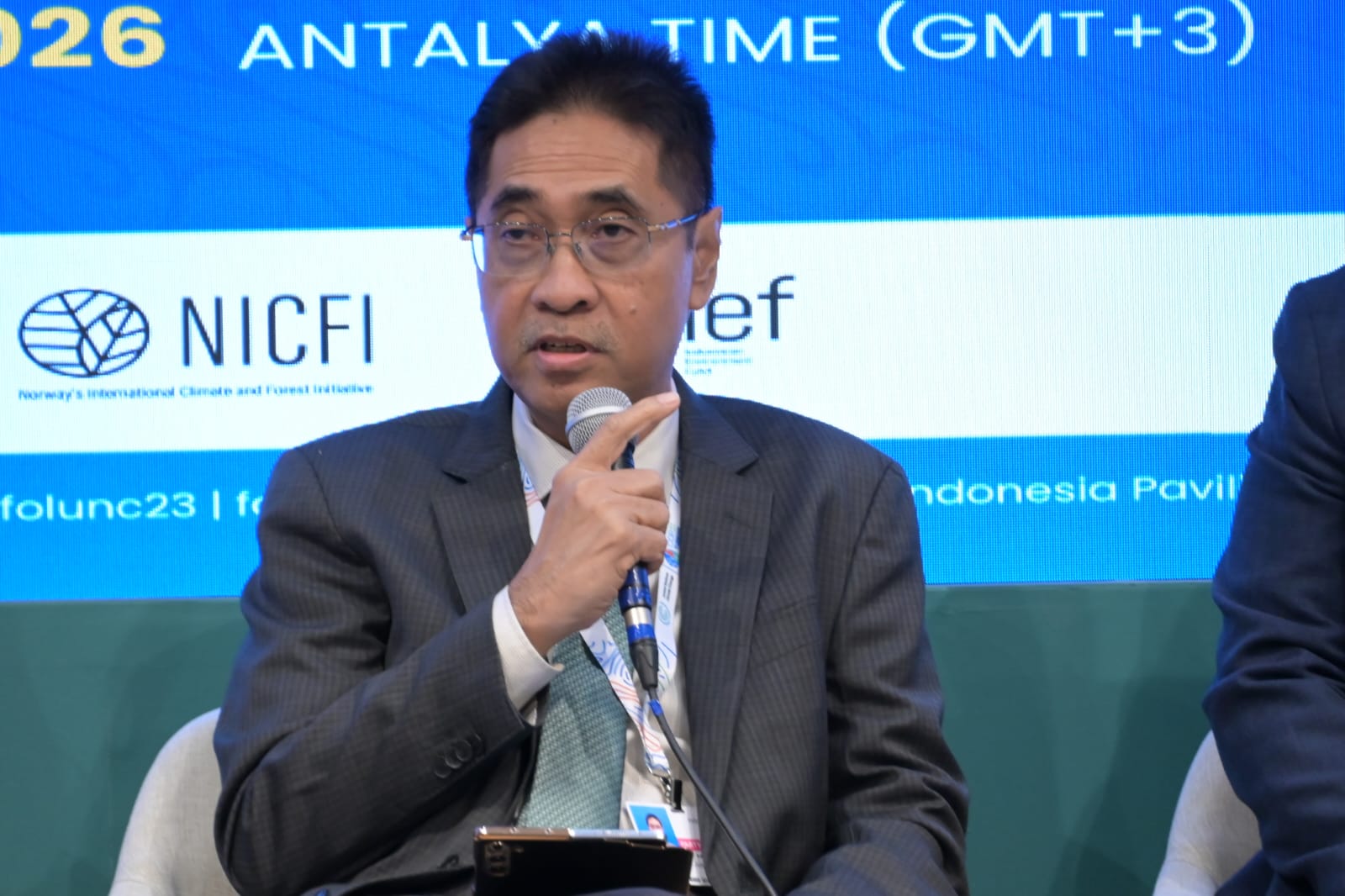
The session was organized by the Operation Management Office (OMO) of Indonesia’s FOLU Net Sink 2030 under the Ministry of Forestry, in collaboration with Norway’s International Climate and Forest Initiative (NICFI). The forum reviewed implementation progress, shared lessons and identified challenges in achieving the national target.
In his opening remarks, Forestry Minister’s Expert Staff member Fahrizal invited panelists to share achievements and challenges from the field to strengthen collective efforts towards the 2030 target.
Haruni Krisnawati, Expert Staff to the Forestry Minister for Climate Change, explained that Indonesia had incorporated its emissions reduction commitments into its Nationally Determined Contribution (NDC) and Long-Term Strategy for Low Carbon and Climate Resilience (LTS-LCCR). These commitments were translated into the operational plan for Indonesia’s FOLU Net Sink 2030 and further developed through subnational action plans tailored to regional conditions and priorities.
According to Haruni, priority intervention areas are identified through data-driven approaches and spatial analysis, using the Biophysical Index Map, Forest Optimization Map, and Typology and Institutional Maps. These tools help authorities identify areas requiring forest protection, rehabilitation, restoration and sustainable forest management more accurately.
Dyveke Rogan, director of Norway’s International Climate and Forest Initiative, welcomed Indonesia’s progress in reducing deforestation and delivering emissions reductions supported by independent verification and environmental and social safeguards.
She reaffirmed Norway’s commitment through its fifth phase of results-based contributions, amounting to US$100 million. Rogan said Indonesia-Norway cooperation should be built not only on trust between governments but also on maintaining public confidence through credible and accountable results.
Rogan also highlighted the need for adaptive long-term strategies involving national and subnational governments, local communities and Indigenous Peoples. She welcomed Indonesia’s commitment to accelerating the recognition of approximately 1.4 million hectares of customary forests.
As the 2030 deadline approaches, she said continuous evaluation and monitoring, increased carbon absorption through restoration and rehabilitation, and preparedness for forest and land fires would remain essential.
From the UN Framework Convention on Climate Change (UNFCCC) Secretariat, Dirk Nemitz, AFOLU Team Lead, said Indonesia’s experience in implementing REDD+ offered important lessons for other countries.
He noted that Indonesia had established a policy framework through its NDC, Forest Reference Emission Level (FREL) and long-term emissions reduction strategy. However, he stressed that success should be measured not merely by the completeness of policy documents but also by consistent implementation, stronger national capacity, biodiversity protection and local community participation.
At the subnational level, Purnama Irawansyah, head of the Riau Provincial Development Planning Agency (Bappeda), outlined the province’s strategy for implementing FOLU Net Sink 2030 across a landscape containing approximately 4.9 million hectares of peatlands.
The strategy includes protecting natural forests and peatlands, accelerating the restoration of degraded ecosystems, developing sustainable production landscapes, strengthening community livelihoods and preventing forest and peatland fires.
Riau’s provincial government also expressed its readiness to strengthen cooperation with the central government, development partners, civil society organizations and the private sector through a jurisdictional REDD+ approach to deliver measurable climate, biodiversity and development benefits.
Meanwhile, Kimberly Todd from the United Nations Development Programme (UNDP) outlined international cooperation supporting REDD+ implementation in Indonesia. This included US$103.8 million in results-based payments from the Green Climate Fund for emissions reductions of approximately 20.25 million tonnes of carbon dioxide equivalent (CO₂e).
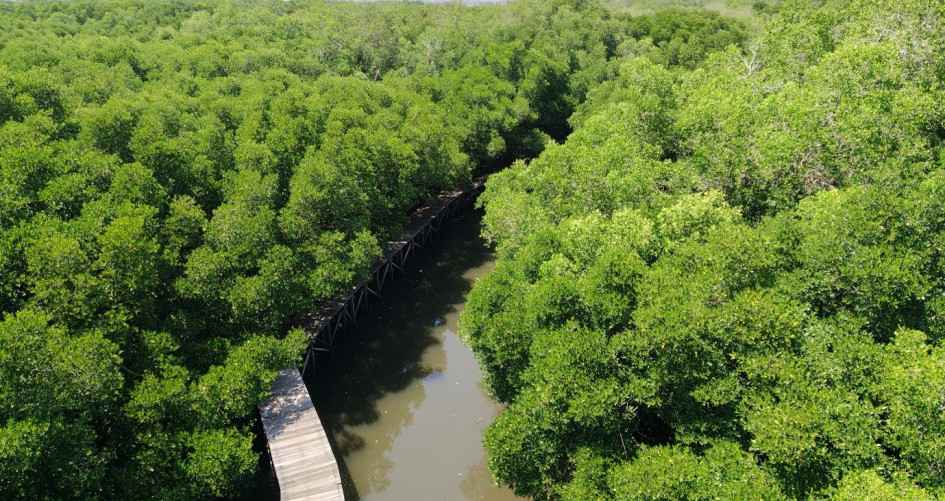
The funding has supported several activities on the ground, including the rehabilitation of 14,844 hectares of conservation forests, 3,778.7 hectares of mangroves and coastal forests, and 4,676 hectares of peatlands.
The program has also supported the recognition process for customary forests across eight mukim in Aceh, covering approximately 22,549 hectares, and involved 1,556 people in forest and land fire prevention activities.
Todd emphasized that sustaining REDD+ results would require stronger institutional capacity, continuity in governance, effective safeguards and consistent implementation.
Mirey Attallah of the UN-REDD Programme said Indonesia was among the countries that had successfully translated its vision into policy through the Indonesia’s FOLU Net Sink 2030 document. The strategy provides a framework for determining the country’s actions and pathways towards achieving its 2030 target.
Mario Boccucci, head of the UN-REDD Programme Secretariat, also welcomed Indonesia’s progress in moving REDD+ from a conceptual framework towards practical implementation and results-based contributions. He said Indonesia’s experience demonstrated how forests could serve as an important solution to the global climate crisis.
The discussion, moderated by Ruandha Agung Sugardiman of the Advisory Board of OMO Indonesia’s FOLU Net Sink 2030, highlighted the importance of connecting national systems, regional implementation, financing and benefits for local communities.
Through the COP31 forum, the Ministry of Forestry reaffirmed the need to accelerate practical action towards FOLU Net Sink 2030 by strengthening central and regional coordination, transparent monitoring systems, sustainable financing and community participation.
These combined efforts are expected to ensure that Indonesia’s emissions reduction commitments translate into tangible results, including protected forests, restored ecosystems and lasting benefits for communities and the global climate. (*)