Enviro News Asia, Antalya — Indonesia has called for geothermal energy development to go hand in hand with biodiversity protection, stressing that the global transition to cleaner energy must not come at the expense of forests, wildlife habitats and other ecologically important areas.
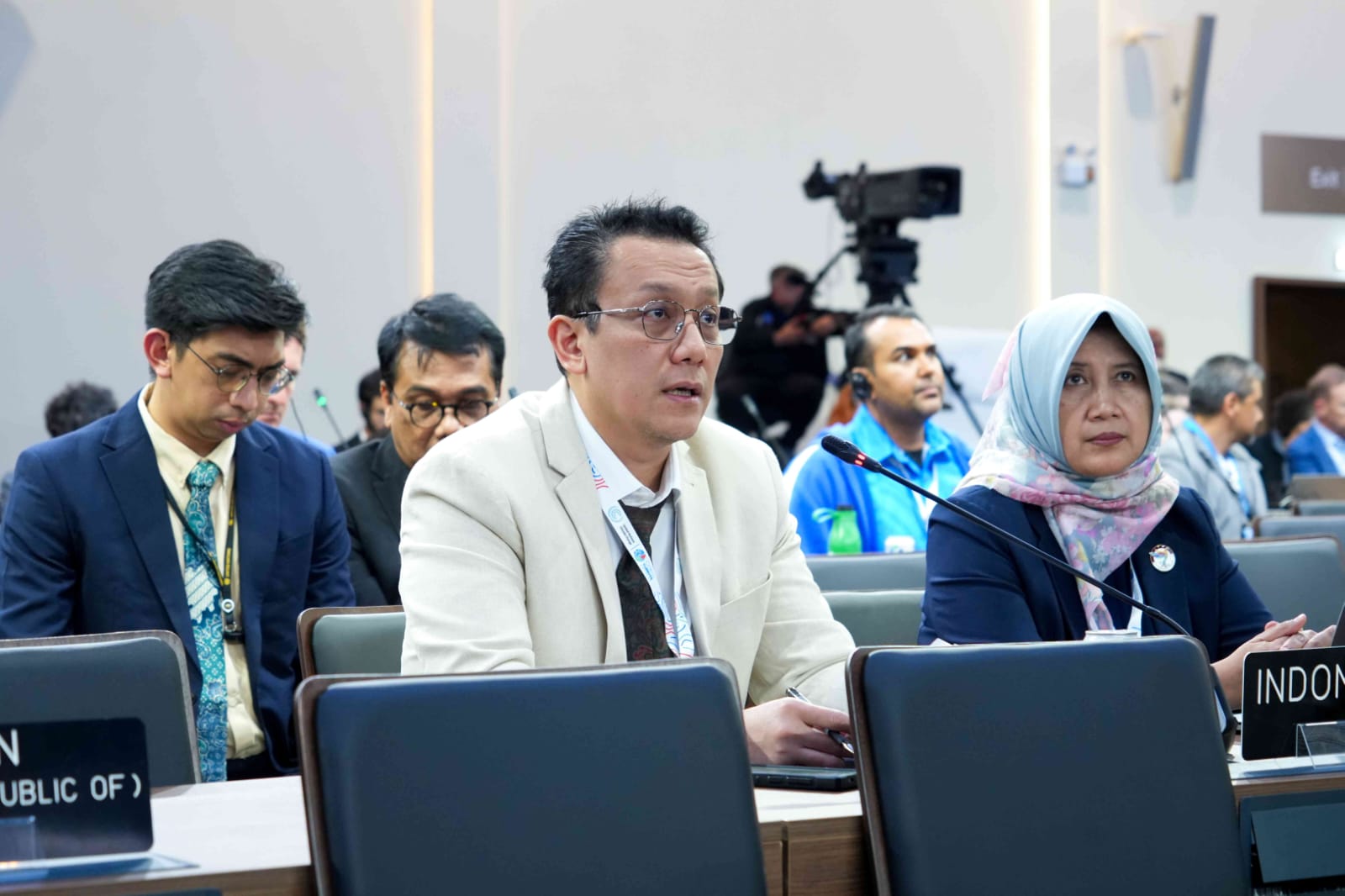
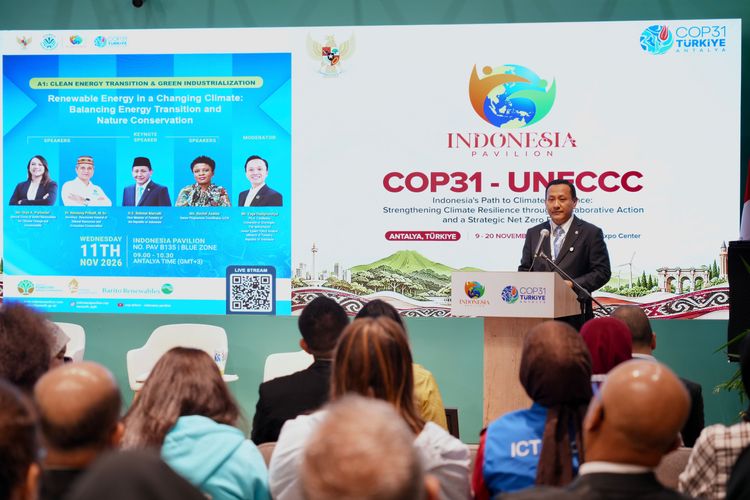
Vice Forestry Minister Rohmat Marzuki delivered the message on Wednesday, Nov. 11, while opening a discussion titled “Renewable Energy in a Changing Climate: Balancing Energy Transition and Nature Conservation” at the Indonesian Pavilion during the 31st UN Climate Change Conference (COP31).
“Climate change and biodiversity loss are not separate challenges. They are interconnected and reinforce each other. We cannot deliver sustainable climate solutions if nature protection is treated as an afterthought,” Rohmat said.
He said renewable energy was essential to reducing global dependence on fossil fuels, but its development needed careful environmental planning. The success of the energy transition, he added, should be measured not only by the speed of project development but also by its ability to safeguard ecosystems.
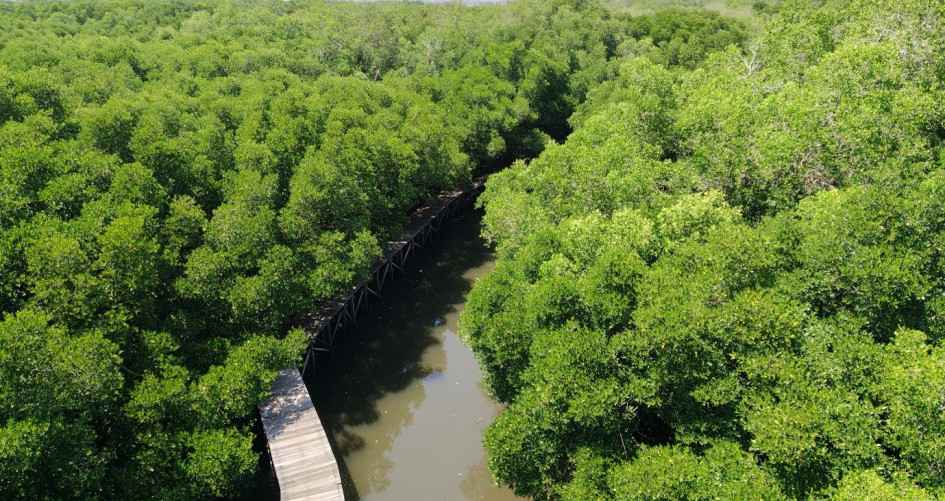
Indonesia has considerable geothermal potential because of its volcanic geography. Geothermal power offers a reliable source of electricity, but some potential development sites are located in landscapes with important ecological functions, including forests, wildlife habitats and river catchments.
“The need for clean energy does not remove our responsibility to protect biodiversity. Instead, this challenge should encourage better science, technology and policies so that the energy transition and conservation can progress together,” Rohmat said.
He emphasised the importance of science-based planning from the earliest stages of renewable energy development. Project plans should take ecological conditions into account, prioritise the prevention of environmental impacts, minimise potential damage and provide for long-term ecosystem restoration and monitoring.
Rohmat also called for stronger cooperation among government agencies, conservation area managers, academics, businesses and local communities. Such partnerships are needed to ensure that energy projects generate economic and social benefits while maintaining the ecological functions of surrounding areas.
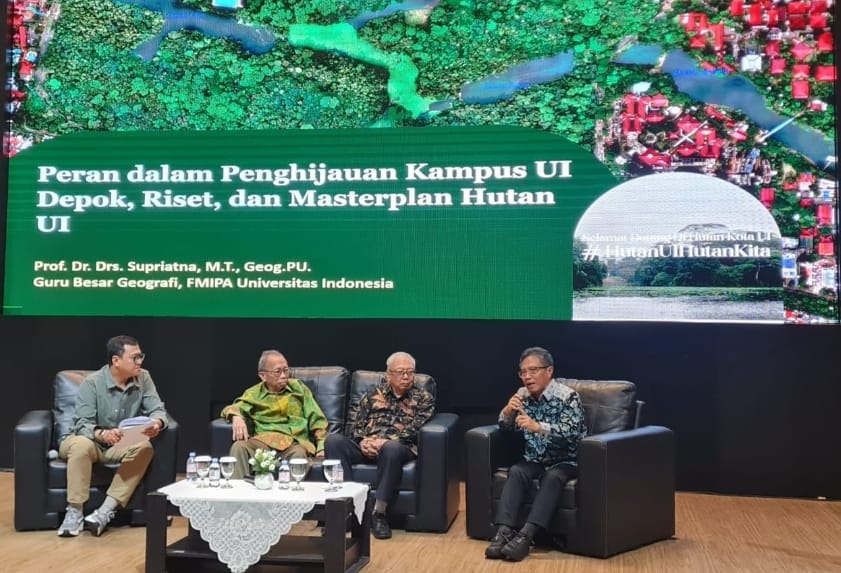
The discussion examined approaches to aligning renewable energy development with nature conservation, including the application of technology, science-based planning and lessons from geothermal projects in Indonesia and other countries.
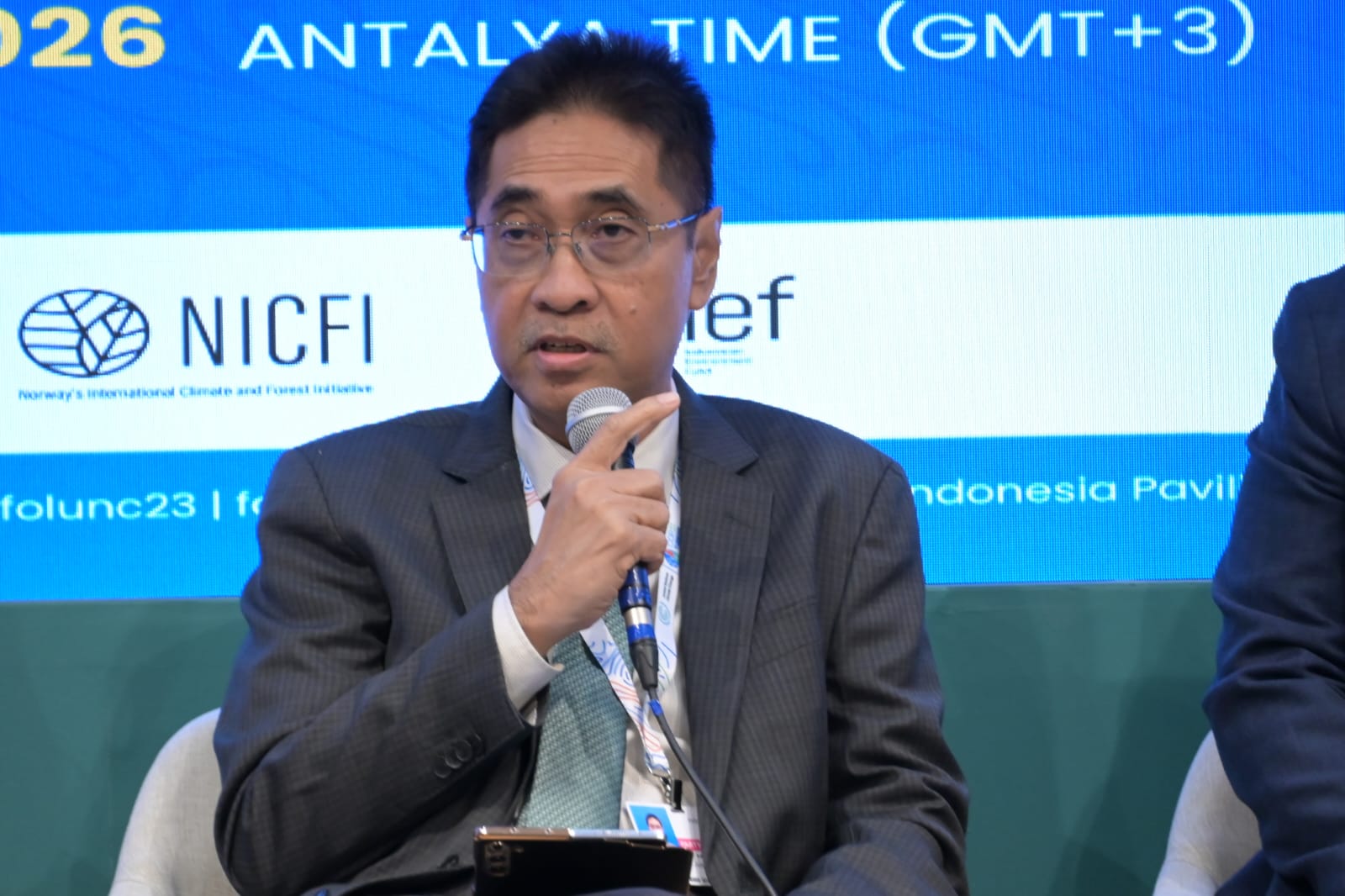
The speakers included Nandang Prihadi, secretary of the Forestry Ministry’s Directorate General of Natural Resources and Ecosystem Conservation; Dian Purbasari, special envoy of Barito Renewable Energy; and Rachel Asante, senior programme coordinator at the International Union for Conservation of Nature (IUCN).
They explored opportunities for cooperation and practical approaches to strengthening the relationship between renewable energy development and biodiversity protection.
Rohmat expressed hope that the discussion would deepen mutual understanding and lead to more concrete collaboration between the energy and conservation sectors.
“We must move beyond the assumption that climate ambition and nature protection have to compete. The quality of the energy transition should be measured not only by the emissions reduced, but also by the ecosystems preserved and the communities empowered,” he said. (*)