

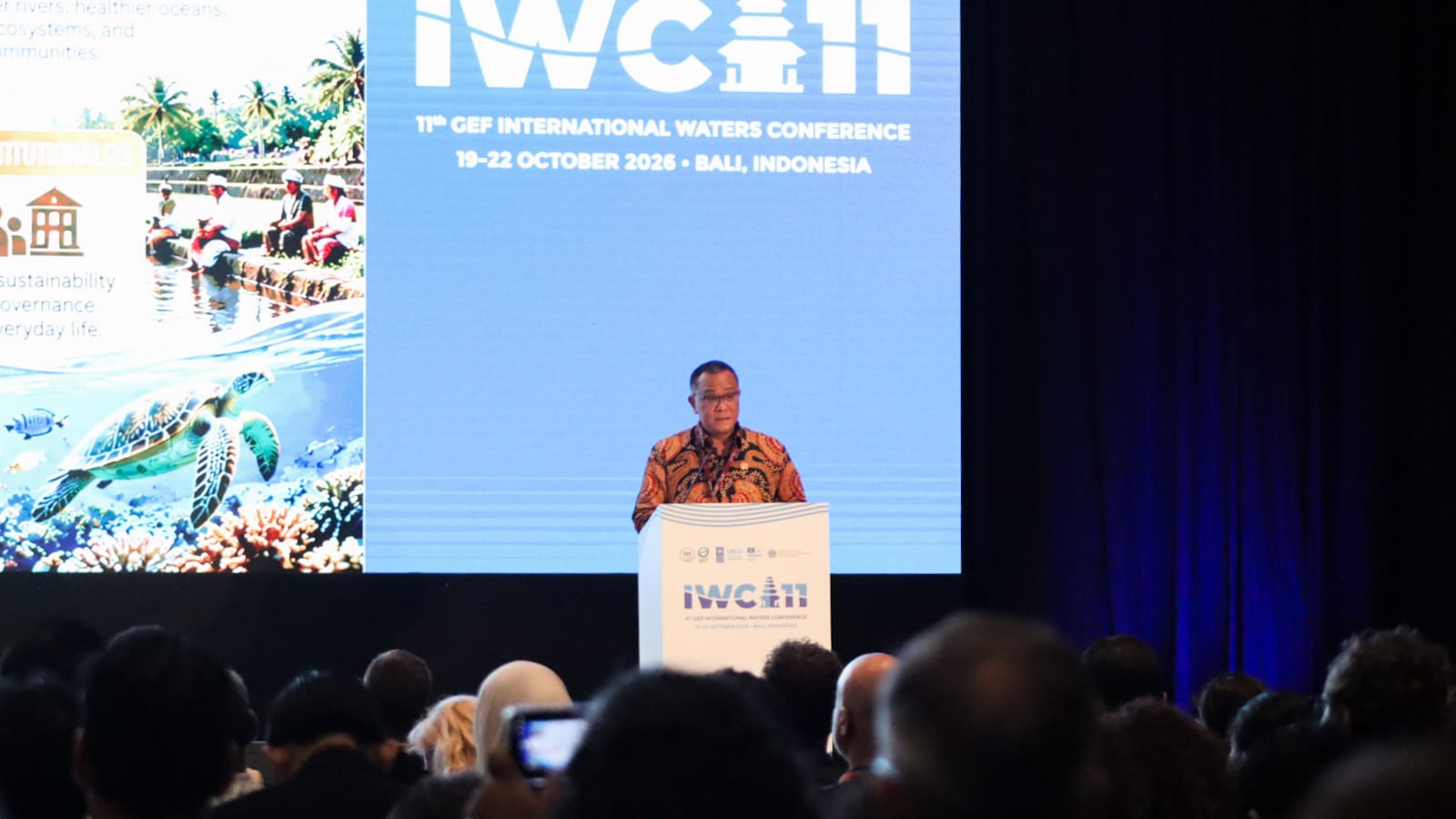
Enviro News Asia, Bali — Indonesia has called for stronger international cooperation, ecosystem restoration and community-led approaches to address mounting threats to global water resources, including climate change, biodiversity loss and plastic pollution.
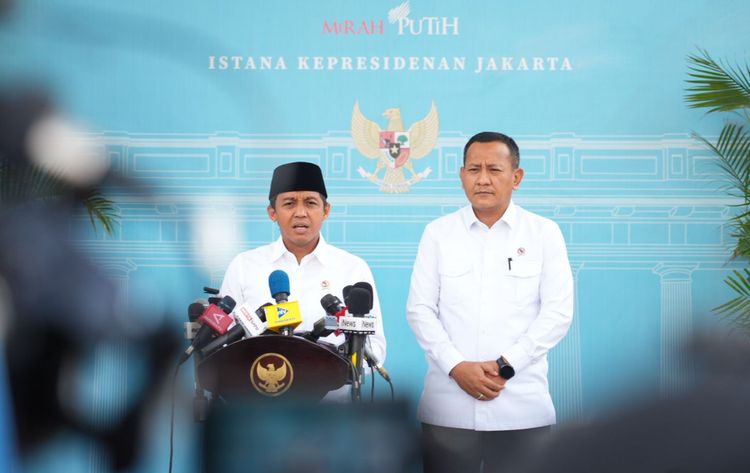
Environment Minister and Environmental Control Agency (BPLH) head Moh Jumhur Hidayat outlined the priorities while opening the 11th GEF International Waters Conference (IWC-11) in Bali on Oct. 19. The conference, themed “Shared Waters, Transformative Solutions: Enabling System Changes,” aims to advance coordinated responses to shared water challenges.
Jumhur said water systems transcend national boundaries, making fragmented, project-based interventions insufficient to address interconnected environmental crises. He called for systemic solutions combining policy, innovation, sustainable financing and effective cross-border governance.
The minister also described the conference as a strategic step toward the United Nations Water Conference scheduled to take place in Abu Dhabi in December 2026.
Indonesia, the world’s largest archipelagic country, identified four priorities for global water management.
The first is preventing pollution from its sources to the sea by tackling contamination from urban areas, industries and rivers before it reaches coastal and marine ecosystems.
The second is restoring ecosystems based not only on the number of hectares rehabilitated but also on measurable improvements in ecological health and community resilience.
The third is strengthening transboundary cooperation through trust-building, data exchange and joint management while respecting each country’s national sovereignty.
The fourth is adopting community-based approaches that integrate modern science with local knowledge and cultural traditions. Jumhur cited Bali’s Subak irrigation system, recognized by UNESCO, as an example of how traditional practices can contribute to sustainable water management.
To support these priorities, Jumhur introduced the concept of “ecological repentance,” or tobat ekologis, as a call for fundamental changes in how societies interact with nature.
The concept involves five steps: reflecting on past environmental damage, stopping destructive practices, improving habits and policies, restoring ecosystems, and embedding sustainable practices in everyday life and government governance.
Indonesia is also advocating changes to financing under the Global Environment Facility’s ninth replenishment cycle, known as GEF-9. The country wants funding to move beyond isolated projects toward impact-based financing, with investments assessed against verifiable improvements in water quality, biodiversity and community livelihoods.
Jumhur said the Bali conference should help establish concrete measures for the global water agenda ahead of the Abu Dhabi meeting.
“Shared waters are our shared responsibility,” he said. (*)