Enviro News Asia, Cibubur — Indonesia is strengthening its environmental and forestry agenda through a series of initiatives focused on forest conservation, sustainable trade, climate resilience, community participation and international cooperation.
The Ministry of Forestry has encouraged 1,250 Pramuka contingent leaders participating in the 12th National Jamboree (Jamnas XII) to become drivers of forest conservation and sustainable food security in their respective regions. The initiative was delivered through a Saka Wanabakti socialization and talk show in Cibubur, Jakarta, on August 15, 2026.
The Ministry emphasized that forests play a critical role in supporting food security by maintaining water systems, soil quality and biodiversity while providing food resources and other forest products. Through Saka Wanabakti, young people are expected to gain knowledge, leadership skills and practical experience in forest conservation.
The government is also expanding public participation in environmental restoration. Ahead of Indonesia’s 81st Independence Day, the Ministry of Forestry distributed 17,845 tree seedlings across 20 provinces through its Watershed Management Agencies. The initiative, known as “Bibit Merdeka untuk Masyarakat,” supports the government’s ASRI movement and encourages communities to increase greening efforts around their homes.
The Ministry said 21 million seedlings are available this year through 59 permanent nurseries across Indonesia. The seedlings can be planted not only in yards but also in pots and drums, allowing people living in urban areas to participate in greening and carbon absorption efforts.
At the international level, Indonesia and the European Union reaffirmed their commitment to sustainable forest management and responsible forest-product trade during the 11th Indonesia–EU Joint Implementation Committee (JIC-11) meeting in Jakarta on August 14, 2026.
The meeting discussed the implementation of the Forest Law Enforcement, Governance and Trade–Voluntary Partnership Agreement (FLEGT-VPA), Indonesia’s Timber Legality Assurance System (SVLK), and developments related to the European Union Deforestation Regulation (EUDR). The two sides also discussed traceability, due diligence requirements, FLEGT licensing and market access for Indonesian forest products.
Indonesia stressed the importance of maintaining technical dialogue with the European Union to ensure that sustainability and trade policies provide tangible benefits for businesses, communities and forest managers. The cooperation also includes support for micro, small and medium enterprises in the forestry sector through the EU-funded ATLAS Project.
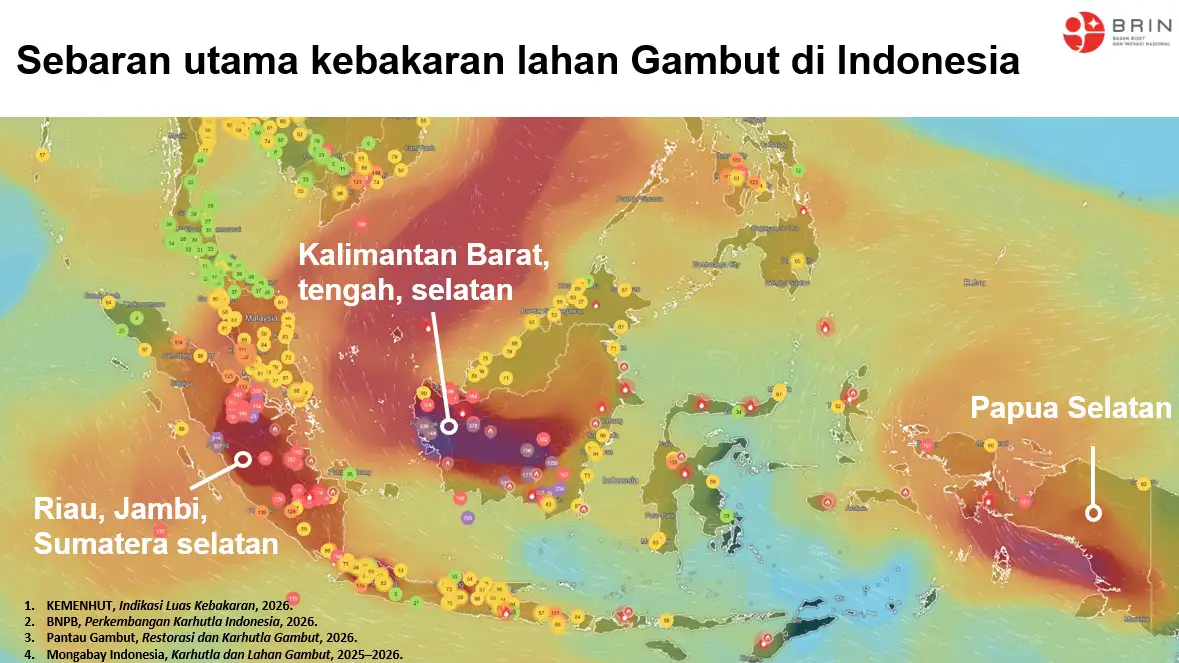
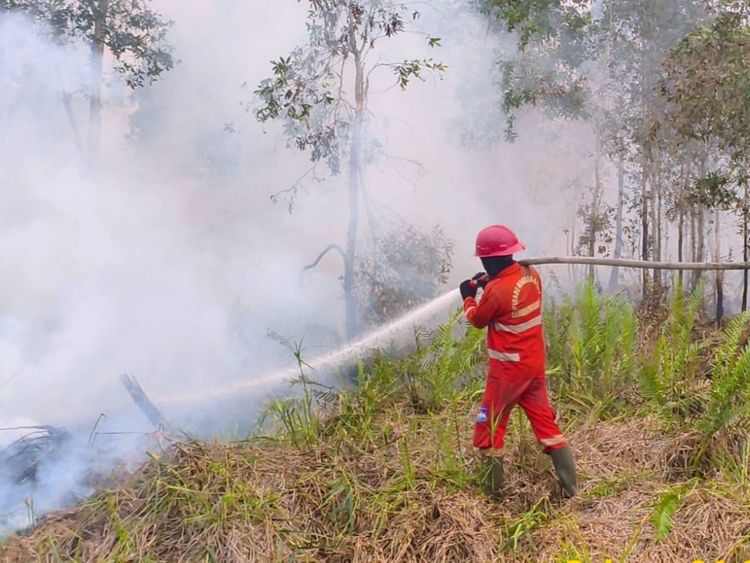
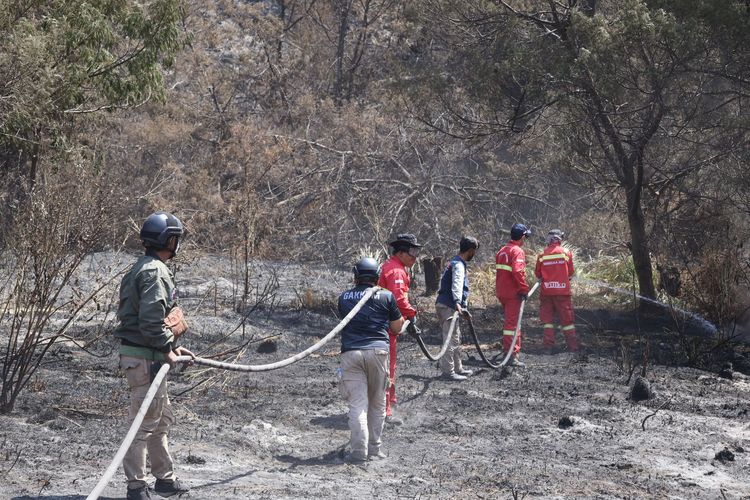
Forest-fire prevention remains another major priority during the 2026 dry season. In East Java, the Ministry of Forestry reported that the fire in Bromo Tengger Semeru National Park had been brought under control after nearly two weeks of operations. Authorities and supporting personnel continued cooling and mopping-up operations to ensure that remaining embers did not reignite.
The operation involved Manggala Agni, the Bromo Tengger Semeru National Park authority, the military, police, the East Java Regional Disaster Management Agency, volunteers and local communities. The Ministry stressed that the Bromo incident demonstrated the importance of early detection, rapid response and community involvement in preventing forest and land fires from developing into wider ecological damage.
Indonesia’s environmental agenda is also being advanced through international diplomacy. In New Delhi, Minister of Environment and Head of the Environmental Control Agency Moh Jumhur Hidayat participated in Indonesia’s Independence Day commemoration while preparing to attend the 12th BRICS Environment Ministers Meeting. Indonesia is expected to promote stronger cooperation among developing countries in addressing climate change, environmental degradation, pollution and biodiversity loss.
Meanwhile, Indonesia’s creative economy is gaining new international opportunities through its diaspora. During an ASEAN ambassadors’ visit to Netflix’s headquarters in California on August 13, 2026, Indonesian Ambassador to the United States Indroyono Soesilo met Indonesian-born Netflix executives Ruben Hattari and Ryan Rahardjo.
The meeting highlighted opportunities for cooperation in script development, story research, production training, animation, visual effects, virtual production and international marketing. Indonesia also sees potential for documentary projects covering marine conservation, energy transition, cultural heritage, health and innovation.
The growing global presence of Indonesian content provides a strong foundation for such cooperation. Indonesian films have increasingly reached international audiences through Netflix, demonstrating the potential of local stories and creative talent to compete in the global audiovisual market.
Together, these developments demonstrate Indonesia’s broader effort to connect environmental sustainability, community participation, international cooperation and creative talent with national development. From forests and climate action to global entertainment platforms, Indonesia is seeking to strengthen its presence and competitiveness while promoting sustainability and national identity. (*)