

Enviro News Asia, Jakarta — Indonesia’s Ministry of Forestry is strengthening forest utilization governance through revisions to Ministerial Regulation No. 8 of 2021, aiming to prevent land banking practices, improve the quality of forest investment, and promote sustainable forest management.
The regulatory refinement forms part of the government’s broader effort to modernize forest governance, making it more inclusive, competitive, transparent, and responsive to challenges identified during five years of implementation.
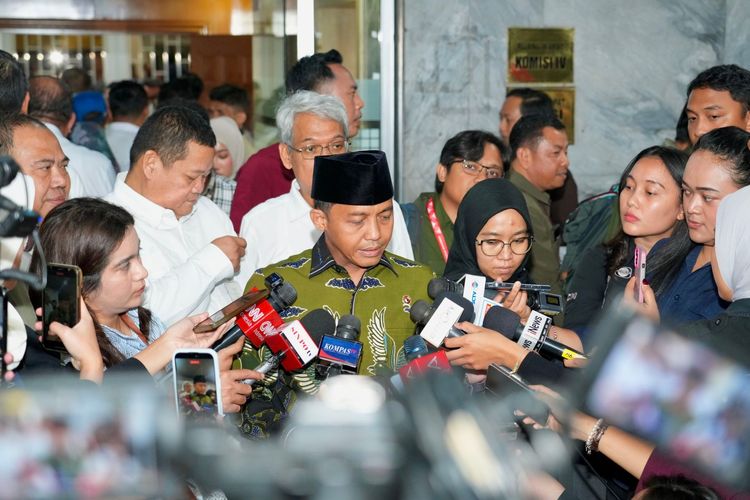
Minister of Forestry Raja Juli Antoni said one of the government’s primary concerns is preventing land banking, a practice in which forest concession areas are controlled without being actively managed or developed through genuine investment.
“Forest areas must be managed by parties that possess the capacity, commitment, and readiness to invest while generating tangible benefits for communities, the national economy, and environmental sustainability. We want to ensure that every permit issued results in productive forest management rather than merely controlling land,” Raja Juli Antoni said.
According to the minister, evaluations of the existing regulation revealed several governance challenges that require immediate improvement. Indonesia currently has approximately 500 Forest Utilization Business Licenses (PBPH), with around 30 percent of concession holders demonstrating suboptimal performance. The government has also identified continuing land tenure conflicts between concession holders and surrounding communities, while applications for new permits have exceeded 200 pending cases.
To address these issues, the Ministry will tighten licensing procedures by introducing clear deadlines for applicants to fulfill administrative requirements at every stage of the permitting process.
“For example, applicants who have obtained a governor’s recommendation must proceed to the next stage within a maximum of six months. Failure to meet the required administrative obligations within that period will result in the application being automatically terminated. This mechanism will eliminate opportunities for parties to accumulate recommendations or reserve forest areas without a genuine commitment to investment,” the minister explained.
Raja Juli Antoni emphasized that governors’ recommendations will remain an important component of coordination between central and regional governments. However, such recommendations are intended solely as supporting considerations during the government’s comprehensive evaluation process and do not constitute legal rights over forest areas.
Director General of Sustainable Forest Management Laksmi Wijayanti said the regulatory revision does not alter the legal framework established under Indonesia’s Job Creation Law or Government Regulation No. 23 of 2021 on Forestry Administration.
“The revision remains fully aligned with existing legislation. Our objective is to improve operational mechanisms so that the regulation can be implemented more effectively. The focus is on strengthening governance, simplifying administrative processes, increasing business certainty, enhancing accountability, and ensuring that forest utilization delivers tangible benefits to local communities,” Laksmi said.
She added that the revised regulation is also designed to strengthen the Multi-Business Forestry concept, improve investment certainty, accelerate the resolution of land tenure conflicts, expand the digitalization of licensing services, and ensure that sustainable forest management contributes to employment creation, community welfare, and long-term ecological protection.
The amendment to Ministerial Regulation No. 8 of 2021 is currently being discussed through a series of national public consultation webinars involving government institutions, regional administrations, academics, private sector representatives, civil society organizations, and other stakeholders. The Ministry expects the consultative process to produce a more professional, accountable, and sustainable regulatory framework for forest utilization that supports both national development and environmental conservation. (*)