Enviro News Asia, Bandung – Indonesia’s Ministry of Forestry has strengthened its public diplomacy and international negotiation capacity to reinforce the country’s leadership in global forestry governance and promote its sustainable forest management achievements on the international stage.
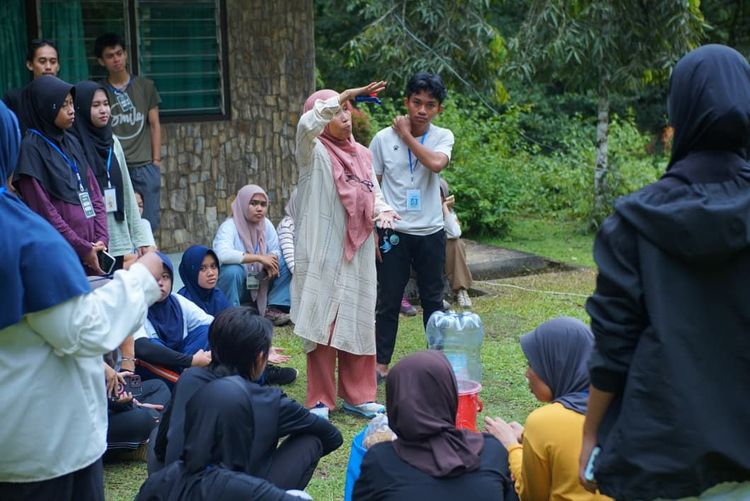
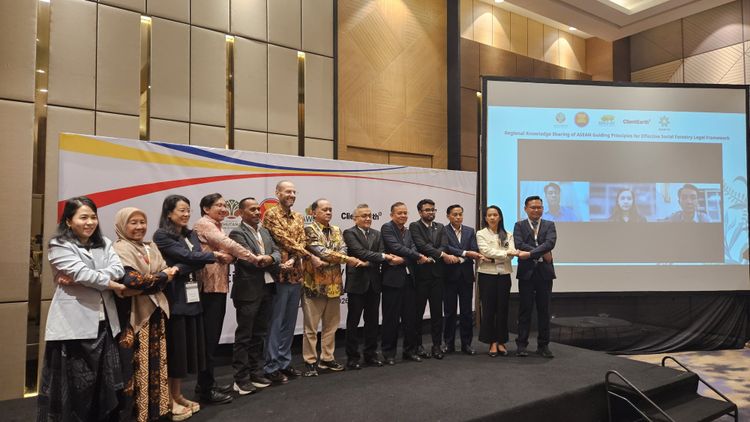
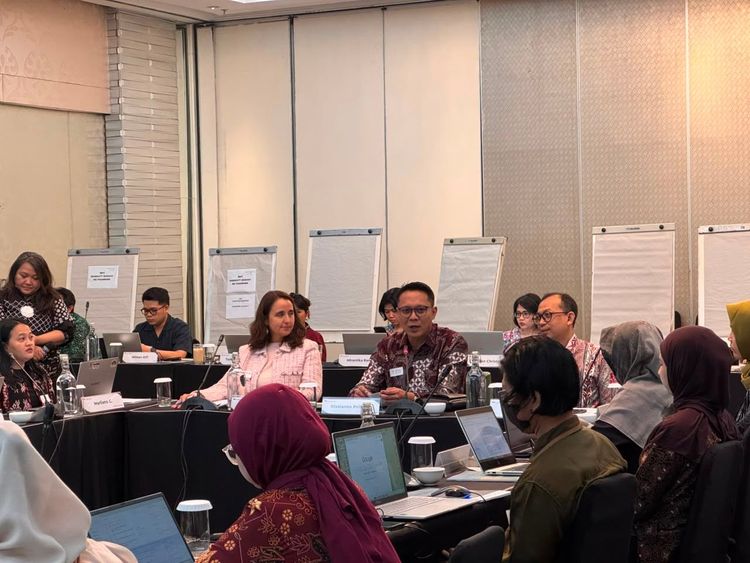
The initiative was launched through the Public Diplomacy and Negotiation Training (Beginner Cohort), held in Bandung on August 4–5, 2026. The programme was organized by the Ministry of Forestry in collaboration with the Multistakeholder Forestry Programme Phase 5 (MFP5), with support from the International Institute for Sustainable Development (IISD) and Universitas Gadjah Mada (UGM).
The training aims to enhance the capacity of government officials to communicate Indonesia’s forestry policies more effectively, strengthen international trust, and improve negotiation skills in global forestry and trade forums. Participants included representatives from the Ministry of Forestry, Ministry of Environment, Ministry of Foreign Affairs, Ministry of Trade, Ministry of Industry, and the National Development Planning Agency (Bappenas).
Opening the programme, Head of the Ministry of Forestry’s Bureau of Public Relations and International Cooperation, Ristianto Pribadi, emphasized that modern diplomacy extends beyond negotiation and begins with building trust among international partners. He noted that Indonesia’s vast tropical forests, the world’s largest mangrove ecosystem, exceptional biodiversity, and sustainable forest management practices must be communicated effectively to gain global recognition and credibility.
The ministry highlighted four strategic priorities requiring stronger public diplomacy: expanding international recognition of Indonesia’s Timber Legality and Sustainability Verification System (SVLK+), strengthening the International Tropical Peatland Center (ITPC), promoting the World Mangrove Center (WMC) as a global hub for mangrove collaboration and learning, and reinforcing Indonesia’s leadership in developing a high-quality carbon market.
The two-day programme featured three core training modules covering international regulations affecting forest product trade, strategic communication for international audiences, and practical negotiation exercises, including coalition-building, responding to challenging questions, and inter-ministerial negotiation simulations. The Ministry of Forestry stated that strengthening diplomatic capacity is essential to expanding international partnerships, increasing global confidence in Indonesia’s forestry governance, and positioning the country as a global leader in sustainable forest management. (*)