Enviro News Asia, Jakarta — Indonesia is entering a critical phase in transforming its national electricity system, with a stronger focus on expanding the use of renewable energy, particularly solar power, as outlined in the 2025–2034 Electricity Supply Business Plan of PT PLN (Persero).
India’s experience in reducing solar electricity tariffs to approximately three US cents per kilowatt-hour has become a valuable reference for Indonesia’s renewable energy development. In response, the Ministry of Energy and Mineral Resources, through its Human Resources Development Agency (BPSDM ESDM), in cooperation with the GIZ Energy Programme, organized an international workshop titled From Ambition to Affordability: Lessons Learned from India’s 3 Cents USD/kWh Solar Journey.
Head of BPSDM ESDM Prahoro Yulijanto Nurtjahyo stated that India’s achievement was driven not only by technological advances but also by consistent policies, transparent procurement mechanisms, balanced risk-sharing, and strong institutional and infrastructure readiness.
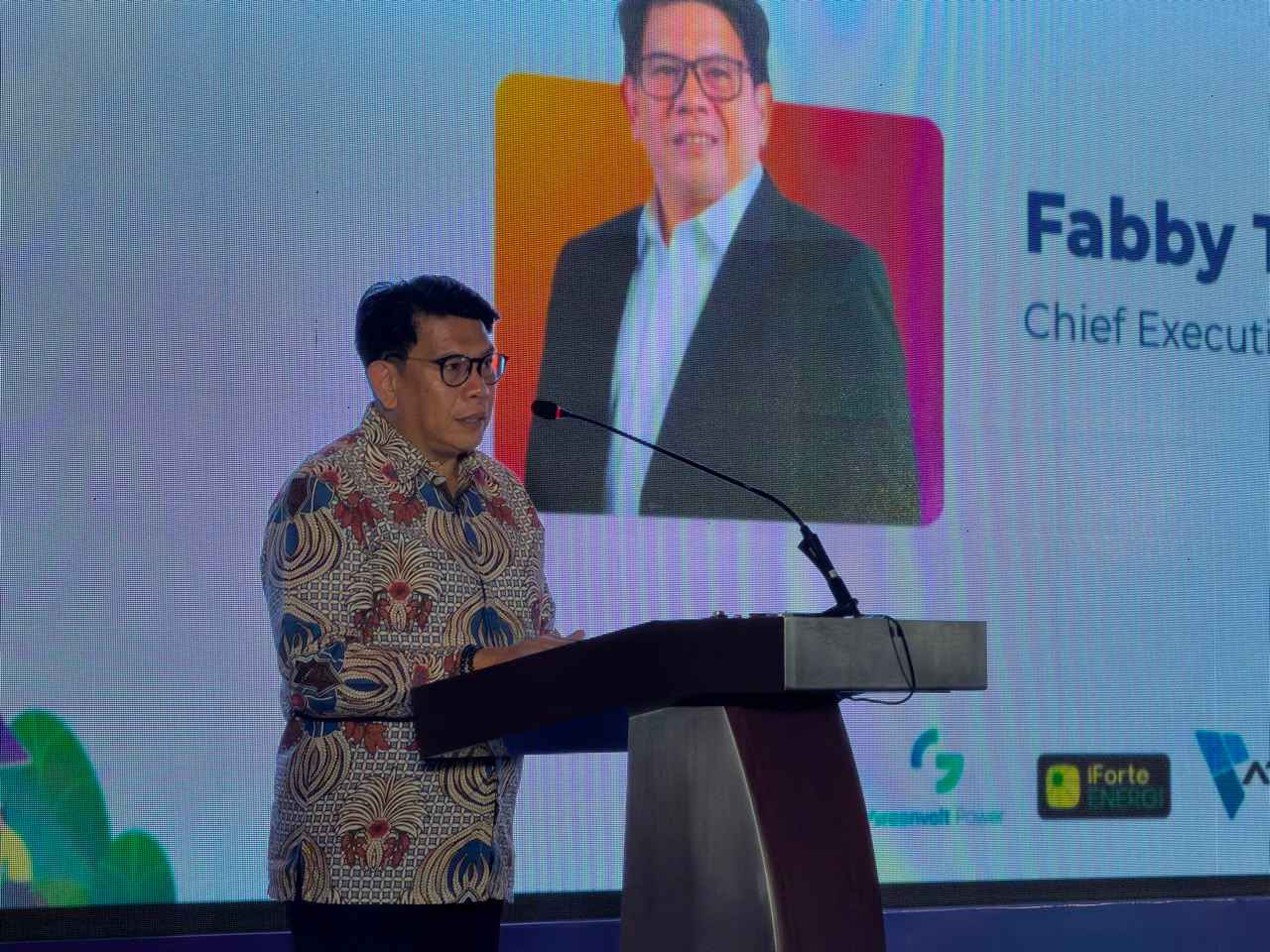
“The success was not achieved solely through technology, but through coherent policy frameworks, transparent auction designs, and institutional preparedness,” Prahoro said during the workshop in Jakarta.
The event served as a policy dialogue platform to examine India’s experience in lowering solar power plant tariffs and to formulate strategies applicable to Indonesia’s solar energy development. The discussion also aligned with Indonesia’s commitment to achieving Net Zero Emissions by 2060.
Prahoro emphasized that a successful energy transition depends heavily on the readiness of human resources and institutions.
“Strong and harmonized regulatory frameworks, reliable system planning, and bankable contracts can only function effectively when supported by human resources with comprehensive technical, economic, legal, and operational expertise,” he said.
The workshop formed part of the technical cooperation between the Ministry of Energy and Mineral Resources and GIZ Energy Programme, particularly through the Renewable Energy to Grid (RE2Grid) project, which focuses on power system transformation and increasing the share of renewable energy in the national electricity grid.
The event featured speakers from the Government of Madhya Pradesh, India, who are directly involved in renewable energy policymaking, solar park management, and solar power auction mechanisms. They shared practical experience and best practices in enhancing the competitiveness of solar power generation. (*)