Enviro News Asia, Jakarta – The Indonesian government, through the Ministry of Energy and Mineral Resources (ESDM), has enacted Ministerial Regulation No. 5 of 2025 concerning Guidelines for Power Purchase Agreements (PPA) from Power Plants Utilizing Renewable Energy Sources. This regulation, promulgated on March 4, 2025, is a strategic step to support the national clean energy targets more effectively and sustainably.
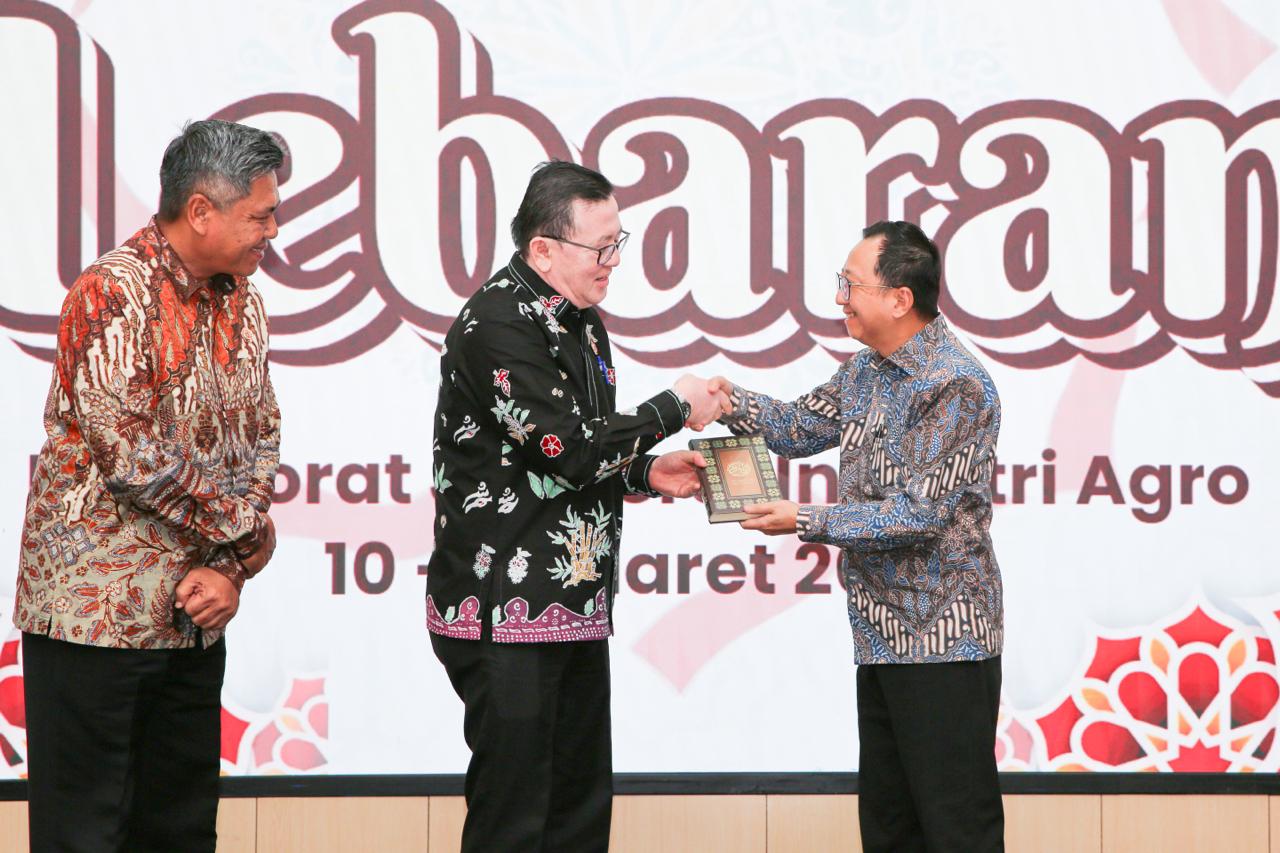
Secretary-General of the Ministry of Energy and Mineral Resources, Dadan Kusdiana, explained that this regulation is a follow-up to the government’s vision of achieving national energy security. “The President has repeatedly emphasized the importance of Asta Cita, one of which includes energy security. The Minister then translated this concept into policies that ensure energy sources come from within the country. Essentially, energy security relies on economic principles,” Dadan stated during the socialization event for Ministerial Regulation No. 5 of 2025 at the Ministry of Energy and Mineral Resources office on Tuesday (March 11).
Dadan added that this regulation serves as a reference for PT Perusahaan Listrik Negara (PLN) and independent power producers (IPP) in drafting power purchase agreements (PPA). Additionally, the regulation provides legal certainty in the electricity trading mechanism, including clarity on the rights and obligations of each party, payment schemes, risk allocation, and other provisions.
At the same event, Director General of New, Renewable Energy, and Energy Conservation (EBTKE), Eniya Listiani Dewi, emphasized that the government continues to encourage the use of renewable energy to achieve national energy security. “We are working to bring renewable energy to support national energy security, following the Minister’s directives and in line with Presidential Decree No. 1 of 2025 concerning the Task Force on Downstreaming and Energy Security,” said Eniya.
She explained that the background for the issuance of Ministerial Regulation No. 5 of 2025 was the absence of standard guidelines in drafting PPA contracts, which often led to different interpretations, prolonged and complex negotiations, and increased transaction costs. This issue also caused delays in project realization and uncertainties in payment schemes, force majeure mechanisms, and risk-sharing, which posed financial stability risks for developers.
“This clearer and fairer regulation is expected to drive investment in the renewable energy sector, thereby accelerating the achievement of green energy targets. Overall, this policy is an important step to ensure that Indonesia achieves more environmentally friendly, sustainable, and highly competitive energy security,” Eniya concluded.
For reference, Ministerial Regulation No. 5 of 2025 provides more detailed provisions, including regulations on PPA terms and extensions, performance guarantee amounts, geothermal power plant (PLTP) pricing adjustments, commercial operation dates (COD) for PLTP, utilization of local content (TKDN), rights over environmental attributes or economic value of carbon from renewable energy, special transactions if renewable power plants have energy storage, and the implementation of refinancing for renewable energy power plants.