Enviro News Asia, Jakarta — Indonesia is intensifying efforts to anticipate a potential fossil fuel supply crisis following disruptions in global oil and gas flows, partly triggered by tensions in the Middle East affecting the Strait of Hormuz.
President Prabowo Subianto has instructed the government to implement a series of strategic measures aimed at reducing dependence on fossil fuels while strengthening national energy resilience.
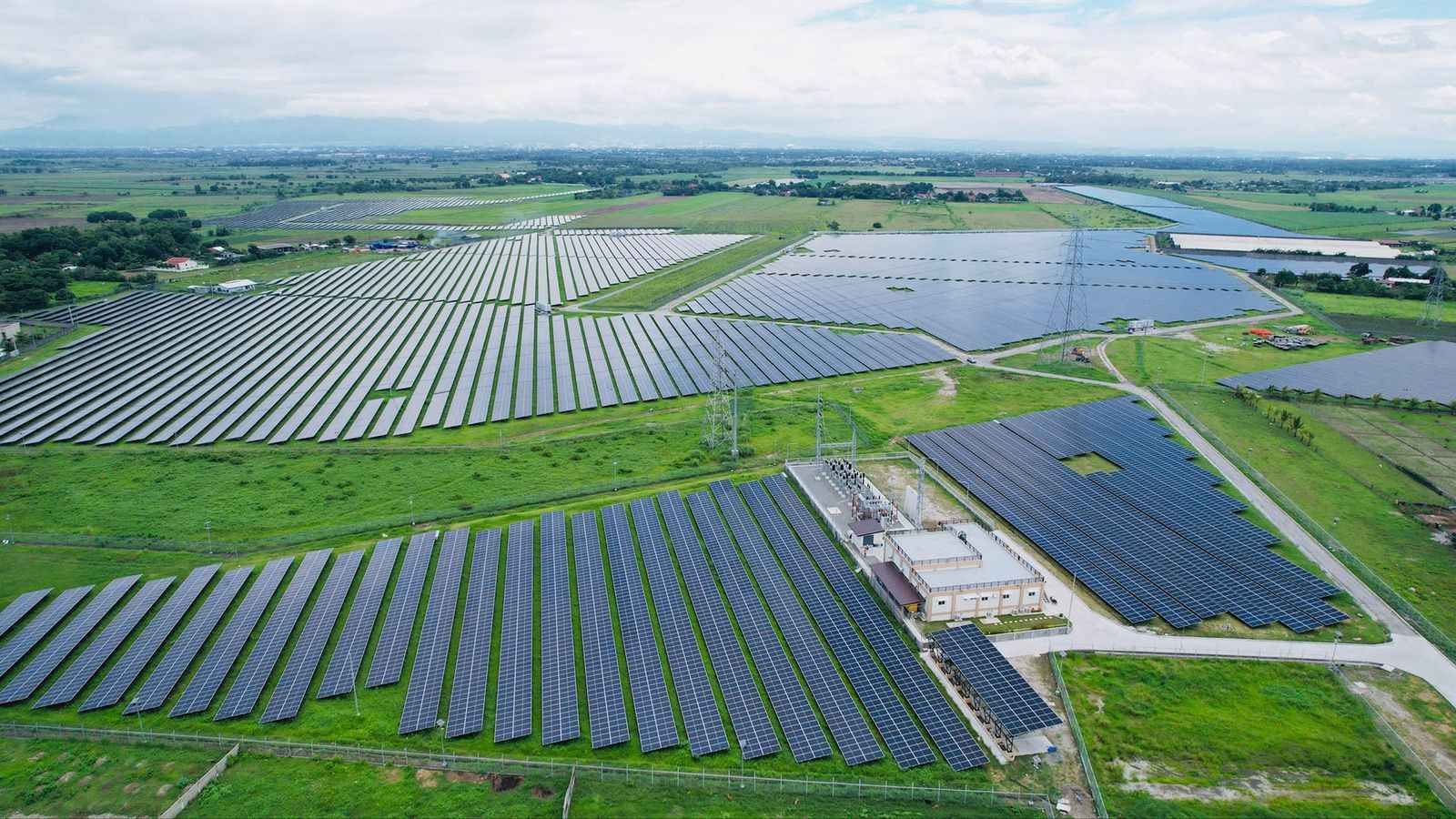
Key initiatives include the development of 100 GW of solar power plants, the gradual replacement of diesel power plants with solar systems combined with battery energy storage, the conversion of 120 million internal combustion motorcycles into electric vehicles, the expansion of biofuel blending to B50, and the introduction of energy-saving policies such as work-from-home arrangements and fuel consumption limits.
The government has also secured alternative fossil fuel supply sources and confirmed that national fuel reserves remain above the minimum threshold.
However, the Institute for Essential Services Reform (IESR) emphasized that while these measures are a positive step toward energy transition, their effectiveness and long-term sustainability must be carefully evaluated.
IESR highlighted the importance of transparent communication regarding fuel availability to maintain public trust and prevent panic buying. The institute warned that rising global oil prices—reaching around USD 115 per barrel—could significantly strain Indonesia’s state budget, with each USD 1 increase potentially adding trillions of rupiah to subsidy costs.
The organization also recommended shifting from commodity-based energy subsidies to targeted direct subsidies for low-income households to improve fiscal efficiency and reduce budget leakage.
Regarding the proposed large-scale conversion of motorcycles to electric vehicles, IESR noted that the plan faces significant technical and economic challenges. Limited infrastructure, high conversion costs, and low public adoption rates could hinder its success unless supported by a stronger ecosystem, including certified workshops, supply chains, and incentives.
IESR suggested prioritizing high-impact segments such as ride-hailing drivers and logistics workers, as well as introducing targeted subsidy schemes and government-led pilot programs to accelerate adoption.
The institute also raised concerns over the B50 biofuel program, arguing that while it may reduce diesel consumption in the short term, it poses fiscal risks and could negatively impact palm oil exports and smallholder farmers due to increased production costs and export levies.
Instead, IESR recommended maintaining the B40 blending level as a more balanced and economically viable option, while accelerating electrification in the transportation sector and improving fuel efficiency standards.
Overall, the institute stressed that Indonesia’s energy transition strategy must balance short-term crisis responses with long-term sustainability, fiscal stability, and technological readiness to ensure a resilient and future-proof energy system. (*)