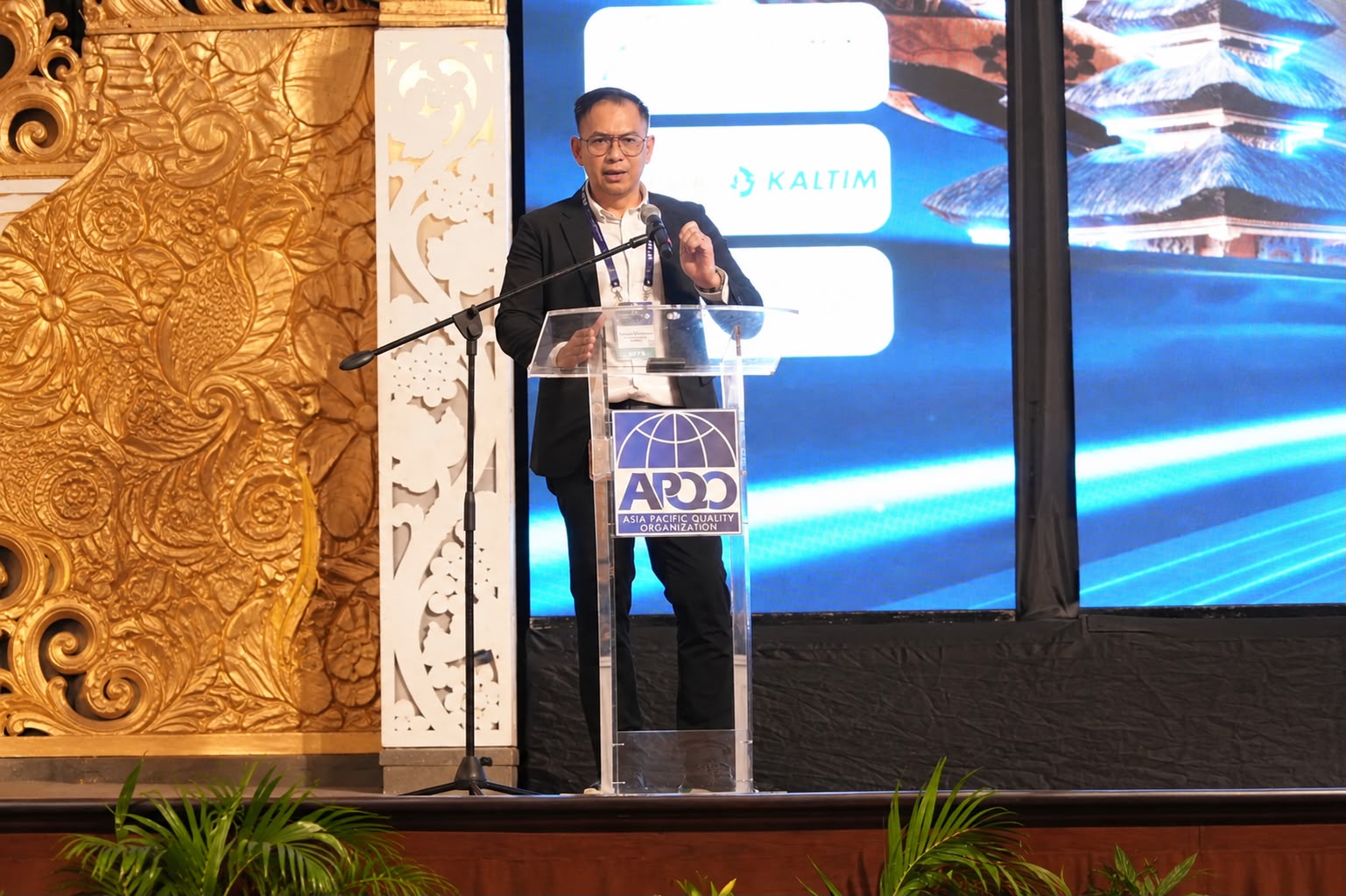

Enviro News Asia, Jakarta — The Indonesian Sawmill and Woodworking Association (ISWA) is urging the transformation of the national wood industry through technology utilization and processing innovation to increase the added value of plantation timber and strengthen the competitiveness of Indonesian products in global markets.
ISWA Presidium Chairman Jimmy Chandra considers that abundant timber resources must be accompanied by the industry’s ability to produce high-performance materials. Consequently, industrial competition can evolve from relying on volume and price toward quality, reliability, and product excellence.
“The opportunity lies not just in producing more timber, but in creating greater value from every cubic meter,” said Jimmy in his presentation materials for the IFMAC-WOODMAC ISWA Seminar on September 24, 2026.
In the presentation titled “Transforming Indonesia’s Wood Industry: From Plantation Timber to High-Performance Wood,” Jimmy explained that Indonesia possesses diverse raw material sources, including teak, rubberwood, mahogany, pine, and fast-growing tree species.
According to him, this diversity serves as a foundation for developing products with broader specifications and applications. However, the potential of raw materials needs to be connected with processing technology, user needs, and market opportunities.
He explained that industries relying on basic commodities tend to face limited differentiation, price pressure, low margins, and vulnerability to market fluctuations. Developing high-value materials represents a direction toward strengthening the industry’s positioning.
“We must compete through performance, technology, and added value,” Jimmy wrote in his presentation.
One highlighted approach is wood modification to enhance the characteristics of plantation timber raw materials. In his presentation, Jimmy identified several challenges, including low natural durability, sensitivity to moisture, dimensional changes, and susceptibility to wood-destroying organisms.
These dimensional changes—such as swelling, shrinkage, warping, or cracking—impact the quality and suitability of timber applications.
According to Jimmy, thermal and chemical modification technologies present opportunities to improve the dimensional stability and durability of timber. He highlighted thermochemical modification, which combines heat and chemical treatments, as an approach to producing higher-performing materials.
The presentation also introduced IDOLA as an example of thermochemical wood modification development, progressing through scientific research, technology development, pilot-scale testing, to industrial manufacturing.
Jimmy emphasized the importance of thorough testing in evaluating material performance. Evaluated aspects include mechanical properties, dimensional stability, resistance to weathering and termites, as well as the chemical characteristics of the timber.
Such performance enhancements, according to him, could unlock broader applications across architecture, furniture, interiors, outdoor uses, construction, and engineered components tailored to specific technical requirements.
“Better wood performance creates better business opportunities,” read one key message in his presentation.
He explained that consistent quality, predictable performance, and extended service life form an integral part of product value creation. These advantages can bolster competitiveness while expanding marketing opportunities.
To realize this transformation, Jimmy underscored the importance of collaboration among forest resource managers, industry players, researchers, machinery providers, chemical technology developers, architects, the construction sector, and export markets.
Within this framework, ISWA positions itself as a bridge connecting stakeholders so that knowledge and technology can translate into industrial innovation and value-added products.
“Indonesia does not lack timber. We need greater value from the timber we have,” Jimmy wrote.
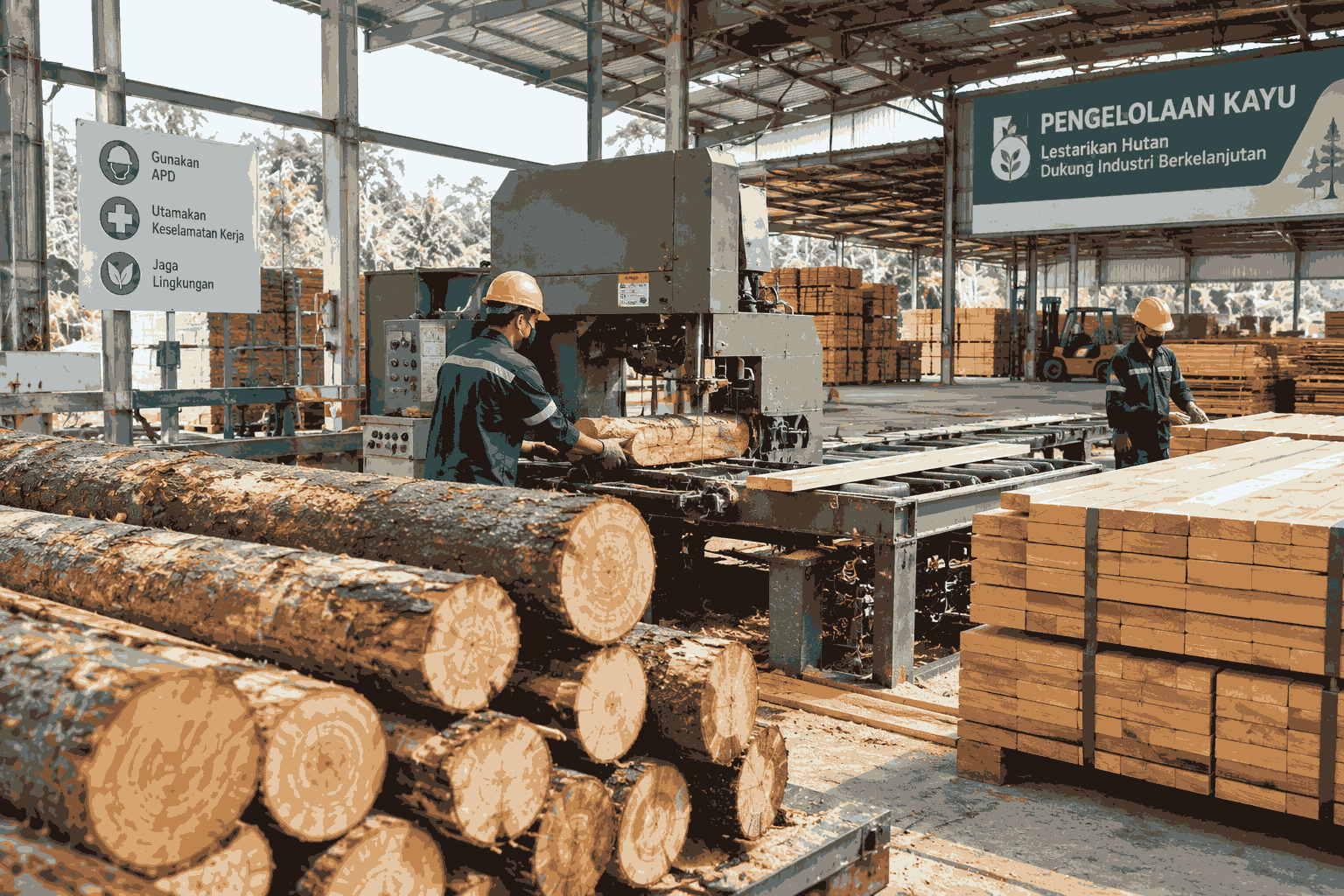
By strengthening the link between sustainable resources, research, technology, and manufacturing, ISWA is driving the national wood industry to produce more reliable and high-value products. This transformation is expected to expand the application of plantation timber while reinforcing Indonesia’s position in the global timber industry value chain. (*)