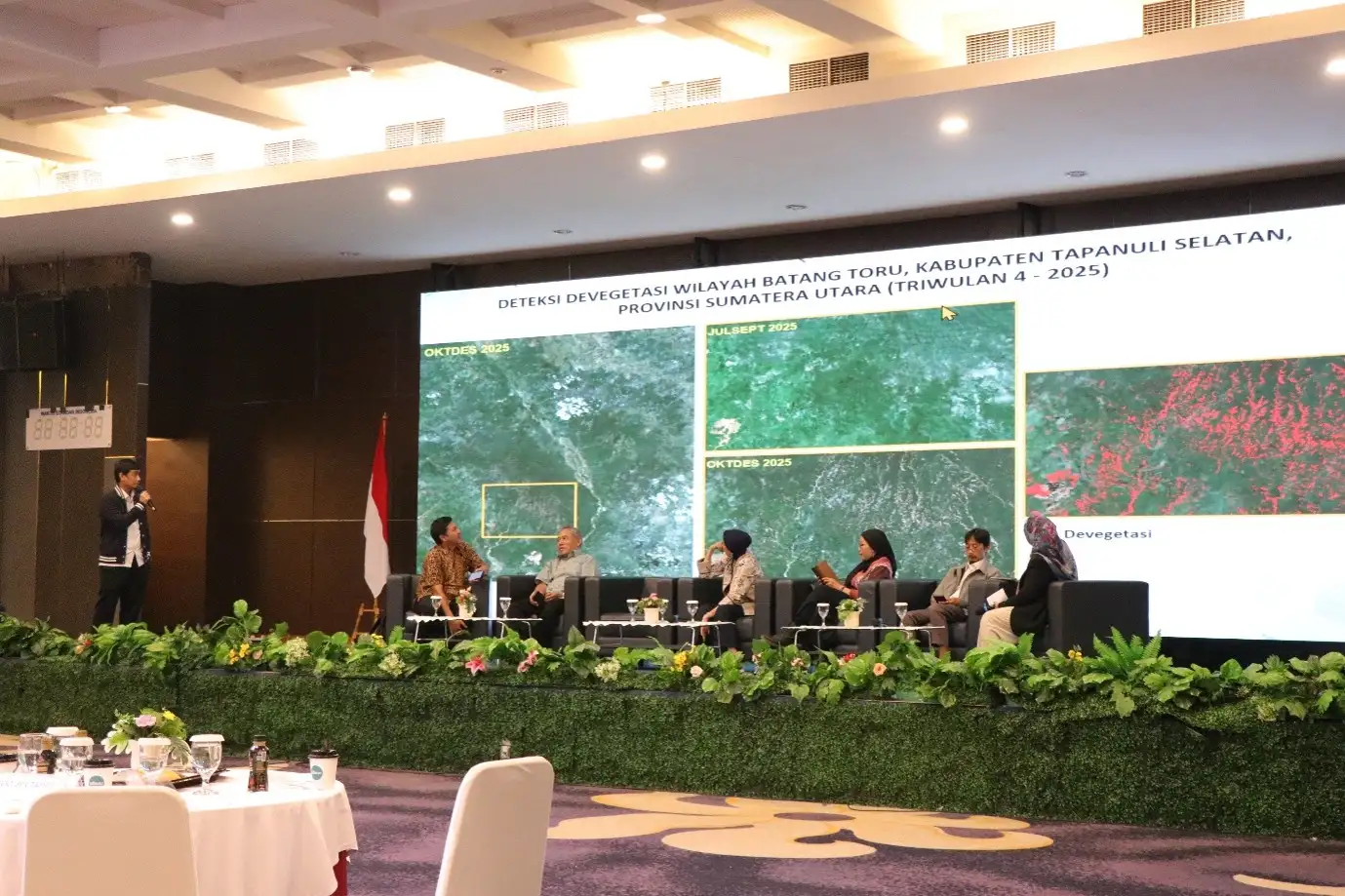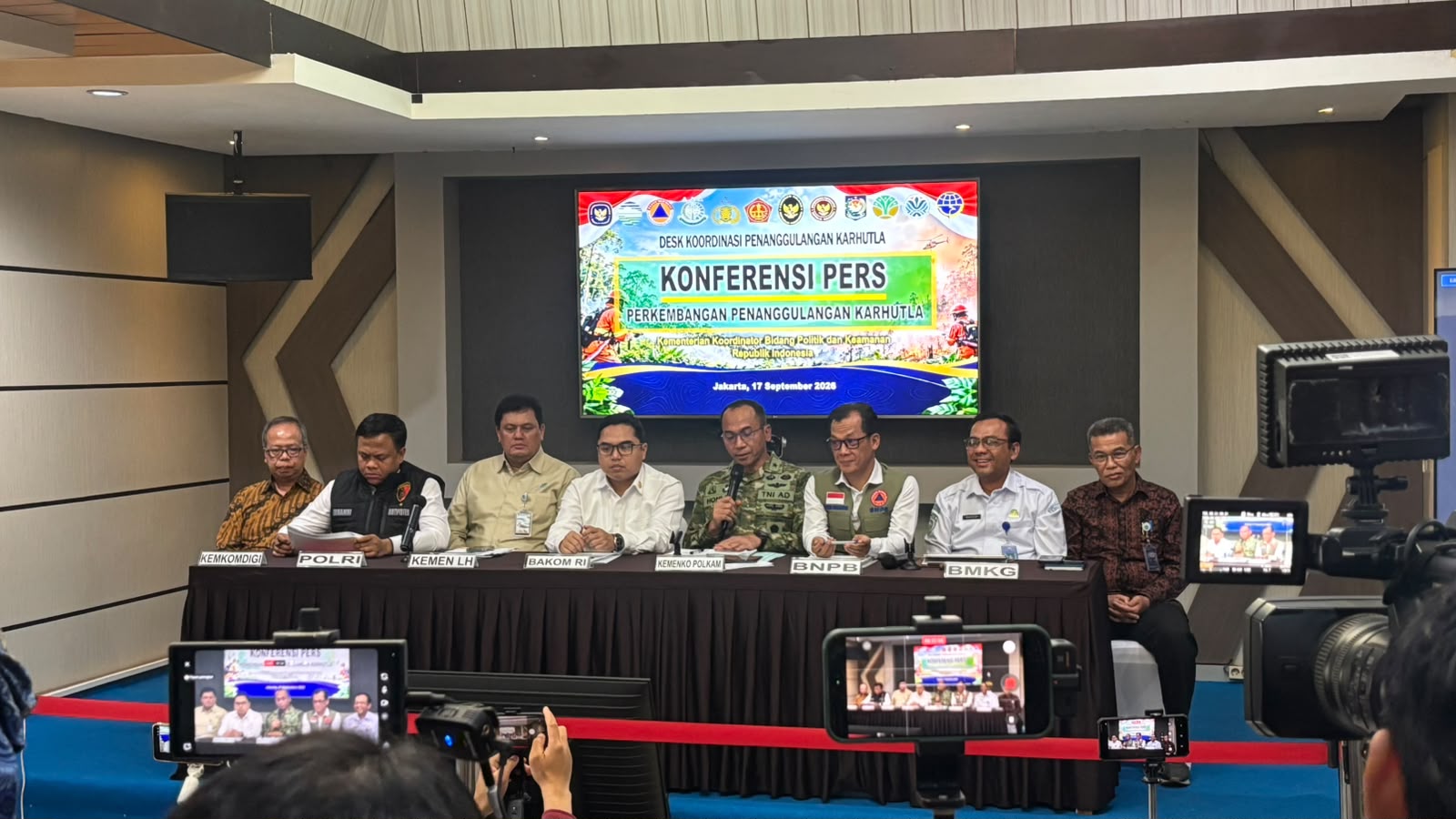


Enviro News Asia, Jakarta – The Ministry of Environment/Environmental Control Agency (KLH/BPLH) and WWF-Indonesia jointly convened the Plastic, Climate, and Biodiversity Forum as a concrete step to strengthen multi-stakeholder collaboration in addressing the planet’s most pressing challenges: plastic pollution, climate crisis, and biodiversity loss. The forum, held in Jakarta, marks a new era of cooperation among the national government, local authorities, and civil society organizations in tackling the Triple Planetary Crisis through an integrated approach.
This milestone event featured the signing of a Memorandum of Understanding (MoU) between KLH/BPLH and WWF-Indonesia on sustainable environmental development, as well as a cooperation agreement between WWF-Indonesia and the Provincial Government of the Special Capital Region of Jakarta to enhance local-level conservation efforts. The forum brought together stakeholders from ministries, local governments, academia, the private sector, and civil society to reaffirm the urgency of implementing a circular economy and taking tangible actions to reduce environmental pressures.
Minister of Environment/Head of BPLH Hanif Faisol Nurofiq emphasized that today’s environmental challenges are deeply interconnected and cannot be solved in isolation.
“These three issues cannot be viewed as separate problems. The crises of plastic pollution, climate change, and biodiversity loss form a unified challenge that demands integrated solutions and strong collaboration,” Minister Hanif stated.
He further stressed that cross-sectoral synergy is key to ensuring a just and sustainable environment in Indonesia, notably through the implementation of circular economy principles in waste management.
“We are moving together to ensure that the Earth remains habitable for future generations,” he added.
Minister Hanif also reiterated that promoting a circular economy remains a core national strategy.
“One of the government’s main focuses is to drive integrated efforts to develop circular economy practices across the waste, climate, and biodiversity sectors. Through the National Policy and Strategy Plan (Jakstranas), the government encourages multi-stakeholder involvement in implementing sustainable green economy schemes, including the Extended Producer Responsibility (EPR) mechanism,” he explained.
Meanwhile, WWF-Indonesia CEO Aditya Bayunanda expressed the organization’s full support for the government’s initiatives to curb pollution and enhance climate action.
“WWF-Indonesia, as a science-based organization, has conducted numerous studies on the impact of plastic waste on biodiversity and climate. Through our Plastic Smart Cities program, we are committed to reducing plastic leakage into nature by supporting waste reduction efforts in collaboration with our partners,” he said.
Aditya also commended the Ministry’s policy and enforcement efforts:
“We fully support the government’s national and local targets in managing plastic waste and highly appreciate KLH/BPLH’s leadership in enforcement and innovation to address today’s high waste generation levels.”
The forum reinforced the call for stronger implementation of Extended Producer Responsibility (EPR) as a key mechanism for producer-driven plastic waste reduction. Knowledge exchange and policy recommendations generated during the forum are expected to be translated into measurable programs with tangible impacts on Indonesia’s environmental quality.
KLH/BPLH emphasized that success in addressing the Triple Planetary Crisis can only be achieved through active participation from all sectors, ensuring that the planet remains livable for future generations. Both the government and civil society agreed that today’s collaborative effort will serve as a strong foundation toward a climate-resilient, plastic-free, and biodiverse Indonesia.
“We aim to strengthen multi-stakeholder collaboration in addressing the three-layered environmental crisis through circular economy implementation. The government’s focus is to drive integrated efforts in developing circular economy approaches in waste, climate, and biodiversity sectors,” Minister Hanif concluded. (*)