Enviro News Asia, Jakarta — Indonesia has officially inaugurated the Secretariat Office of the ASEAN Coordinating Centre for Transboundary Haze Pollution Control (ACC THPC), marking a strategic step to enhance regional cooperation in addressing transboundary haze pollution across Southeast Asia.
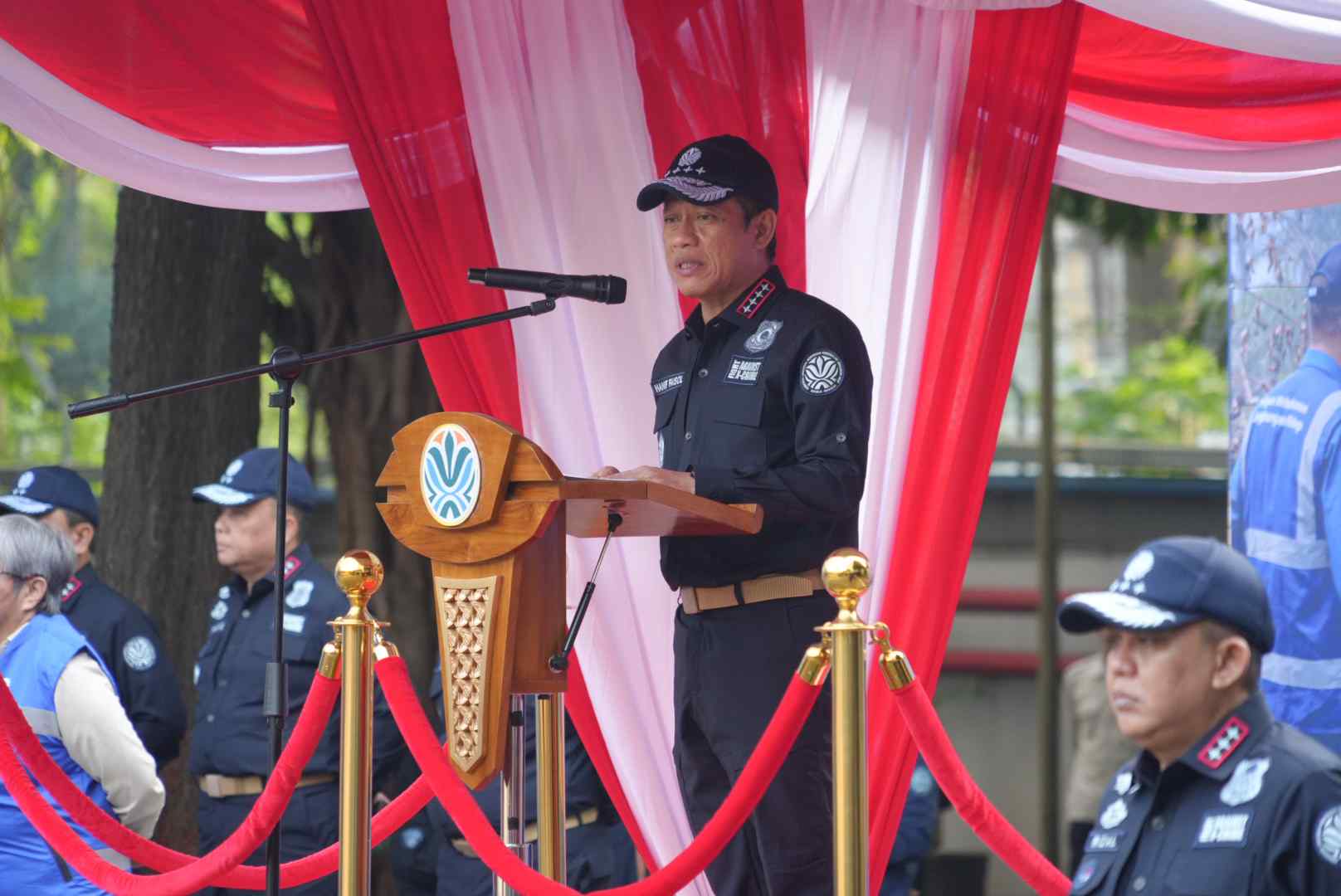
The inauguration was led by Minister of Environment Hanif Faisol Nurofiq at the Ministry of Environment and Environmental Control Agency (KLH/BPLH) office in Jakarta. The initiative underscores Indonesia’s role as host country in accelerating the operationalization of the regional coordination center.
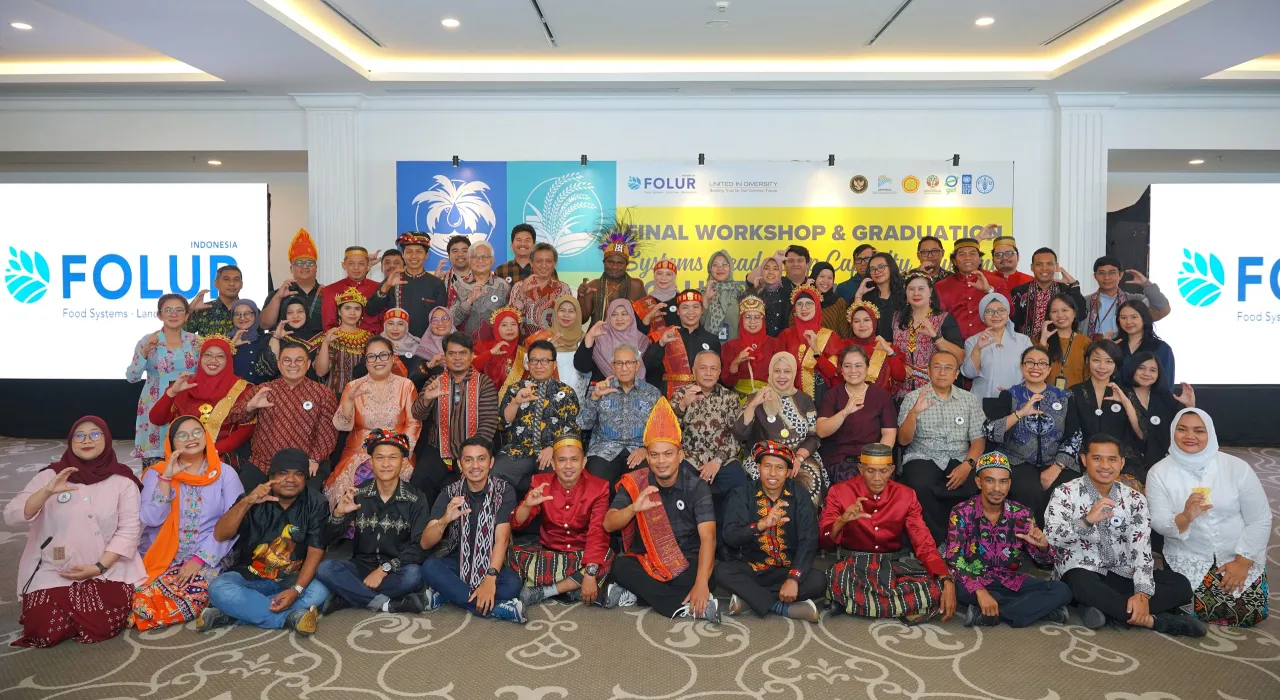
Minister Hanif stated that the establishment of the secretariat represents not only an institutional milestone but also a concrete commitment by ASEAN member states to achieve a haze-free region through stronger collaboration and faster response mechanisms.
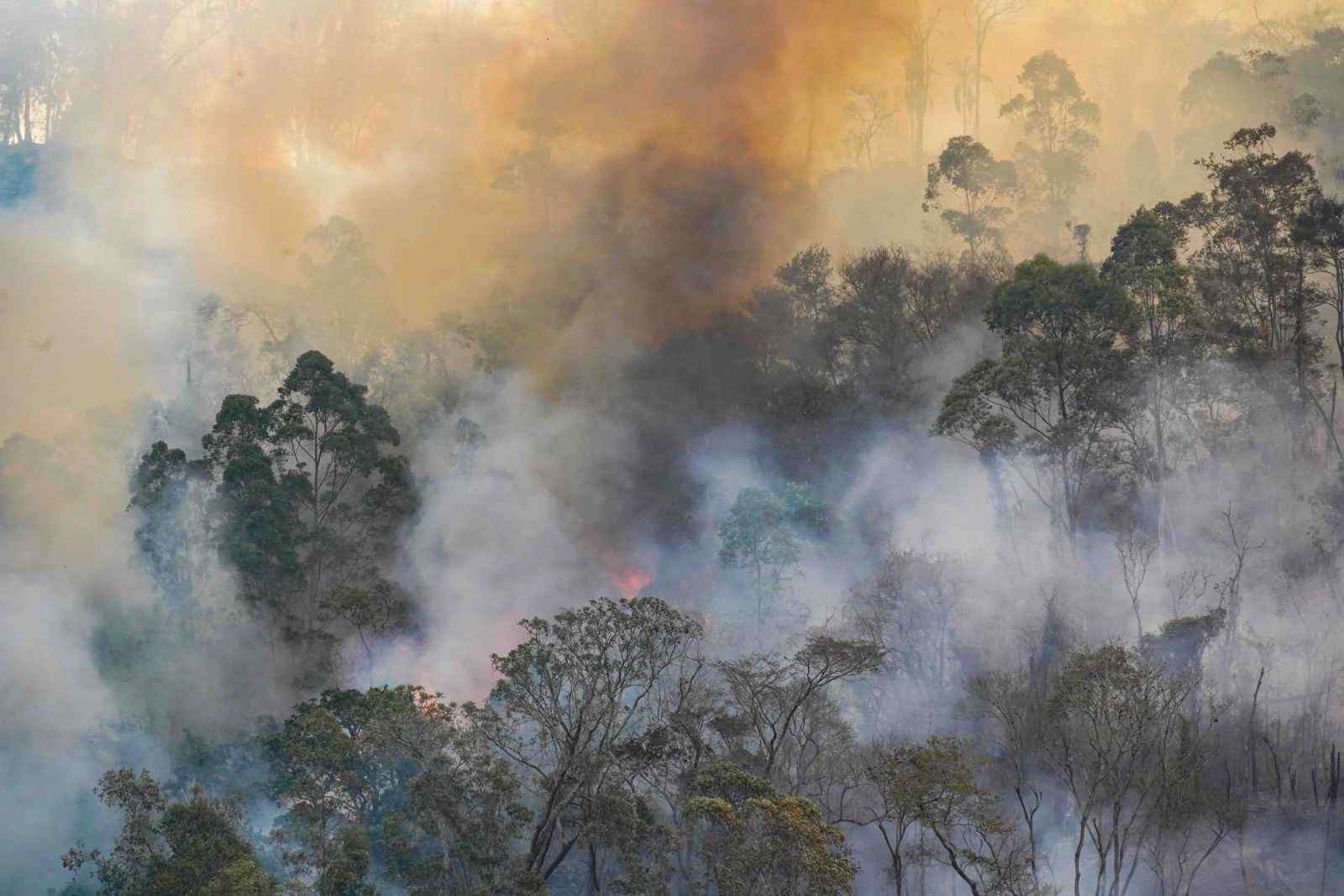
The ACC THPC was established under the ASEAN Agreement on Transboundary Haze Pollution (AATHP) and is designed to function as a regional command center for controlling forest and land fires that have cross-border impacts.
The center will carry out three primary functions: monitoring and assessment through real-time hotspot and air quality data, technical coordination among member states including the exchange of expertise and firefighting technologies, and the development of early warning systems to prevent fire escalation during dry seasons.
The Jakarta-based secretariat is expected to integrate national systems and rapid response mechanisms involving key Indonesian institutions, including disaster management and environmental agencies, as well as ASEAN partners. This integration is considered essential to ensure synchronized and effective cross-border fire management.
As the country with one of the largest tropical forest areas in Southeast Asia, Indonesia reaffirmed its commitment to reducing forest and land fires through strengthened prevention, suppression efforts, law enforcement, and ecosystem restoration.
With the full operationalization of ACC THPC, ASEAN aims to significantly reduce the scale of fires and minimize health, environmental, and economic impacts caused by recurring transboundary haze pollution in the region. (*)