Enviro News Asia, Jakarta — Indonesia’s Minister of Forestry, Raja Juli Antoni, reaffirmed that social forestry is a strategic instrument for improving the welfare of communities living around forest areas while ensuring the long-term sustainability of forest ecosystems.
The statement was delivered at the opening of the Lesson Learned Workshop entitled “Moving from the Ground: Fostering Inclusive Social Forestry for Sustainable Forests and Prosperous Communities” held in Jakarta on Thursday.
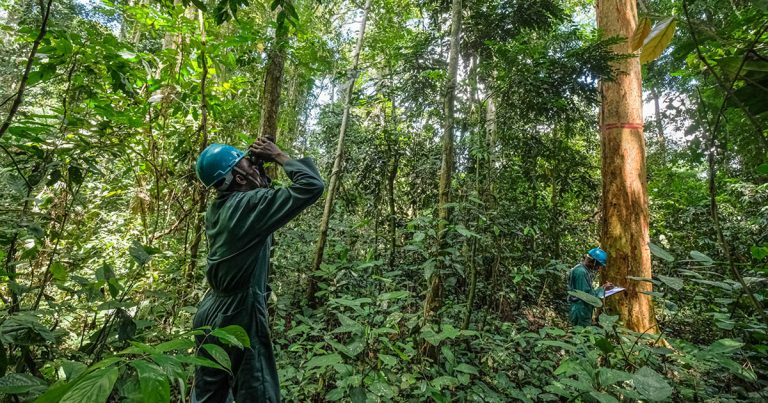
Minister Raja Juli Antoni expressed optimism that social forestry would continue to serve as a key approach to enhancing community livelihoods. Through this scheme, local communities that previously lacked legal access are now granted official permits to manage and utilise forest resources in a sustainable manner.
He emphasised that such access must be accompanied by a strong commitment to forest conservation. Community-based forest management, he noted, not only improves local incomes and economic resilience but also safeguards forest ecosystems over the long term.
According to the Minister, global experience demonstrates that successful forest conservation depends on close partnerships between governments and communities. Countries that effectively protect their forests are those that integrate local communities into forest management, allowing them to benefit from forest resources for their livelihoods while jointly committing to sustainable practices.
Currently, social forestry access in Indonesia has reached 8.3 million hectares. For the Customary Forest (Hutan Adat) scheme, recognised areas have exceeded 366,000 hectares, with an additional target of approximately 1.4 million hectares over the next four years. The Minister also encouraged the replication of best practices to strengthen more than 16,000 Social Forestry Business Groups (KUPS) across the country.
One notable example highlighted during the workshop was the Enhancing Community Forest Tenure and Sustainable Livelihoods in Indonesia (2021–2025) programme, implemented by WRI Indonesia in partnership with KKI WARSI and the Kawal Borneo Community Foundation, with support from Norway’s International Climate and Forest Initiative through the Norwegian Agency for Development Cooperation and the Ministry of Forestry of Indonesia.
The programme facilitated social forestry permits covering 57,854 hectares across five provinces—Aceh, Jambi, West Sumatra, North Kalimantan, and East Kalimantan—and strengthened community capacity through training and the development of non-timber forest product-based enterprises.
The workshop is expected to serve as a catalyst for scaling up effective community-based forest management models that reduce poverty, empower local economies, and ensure Indonesia’s forests remain productive and sustainable for future generations. (*)