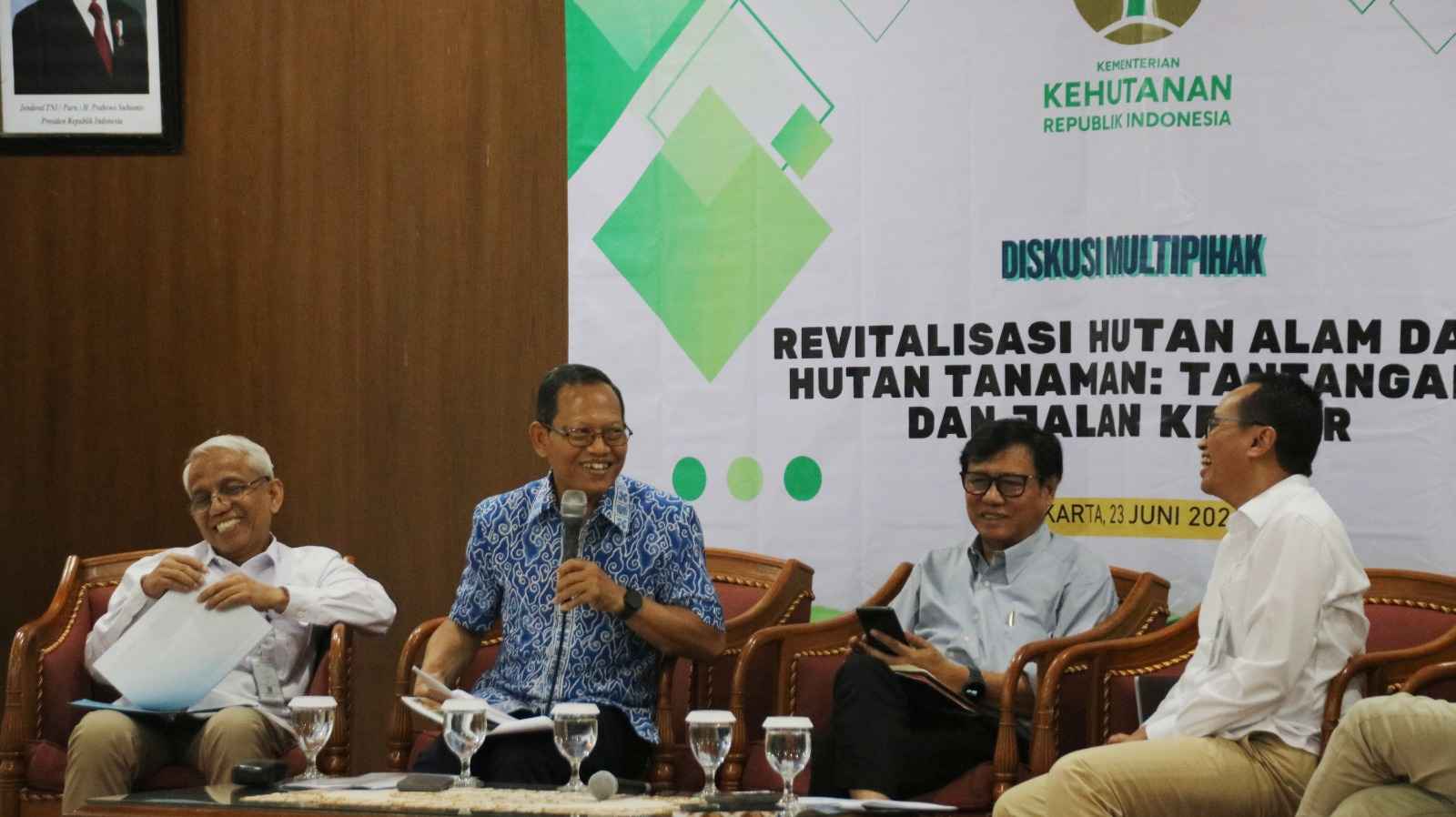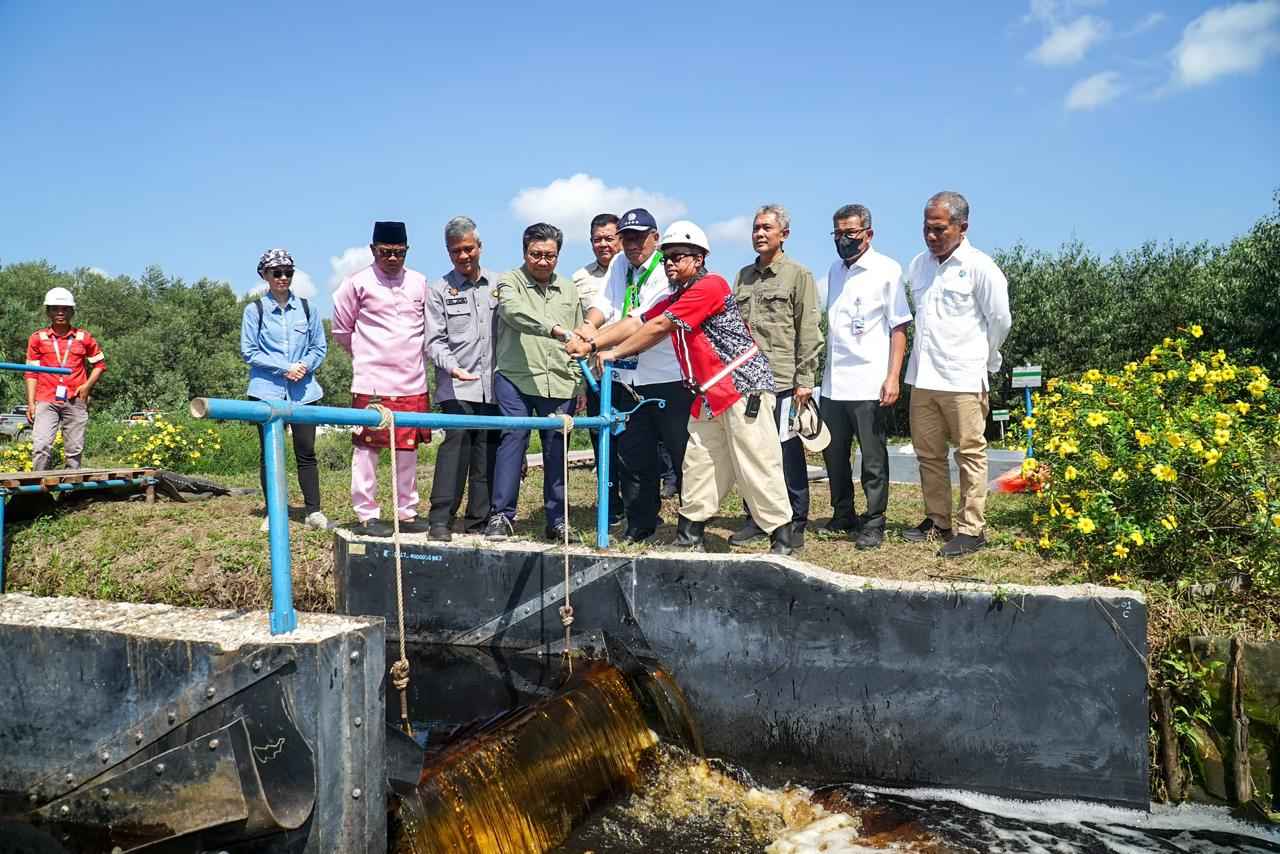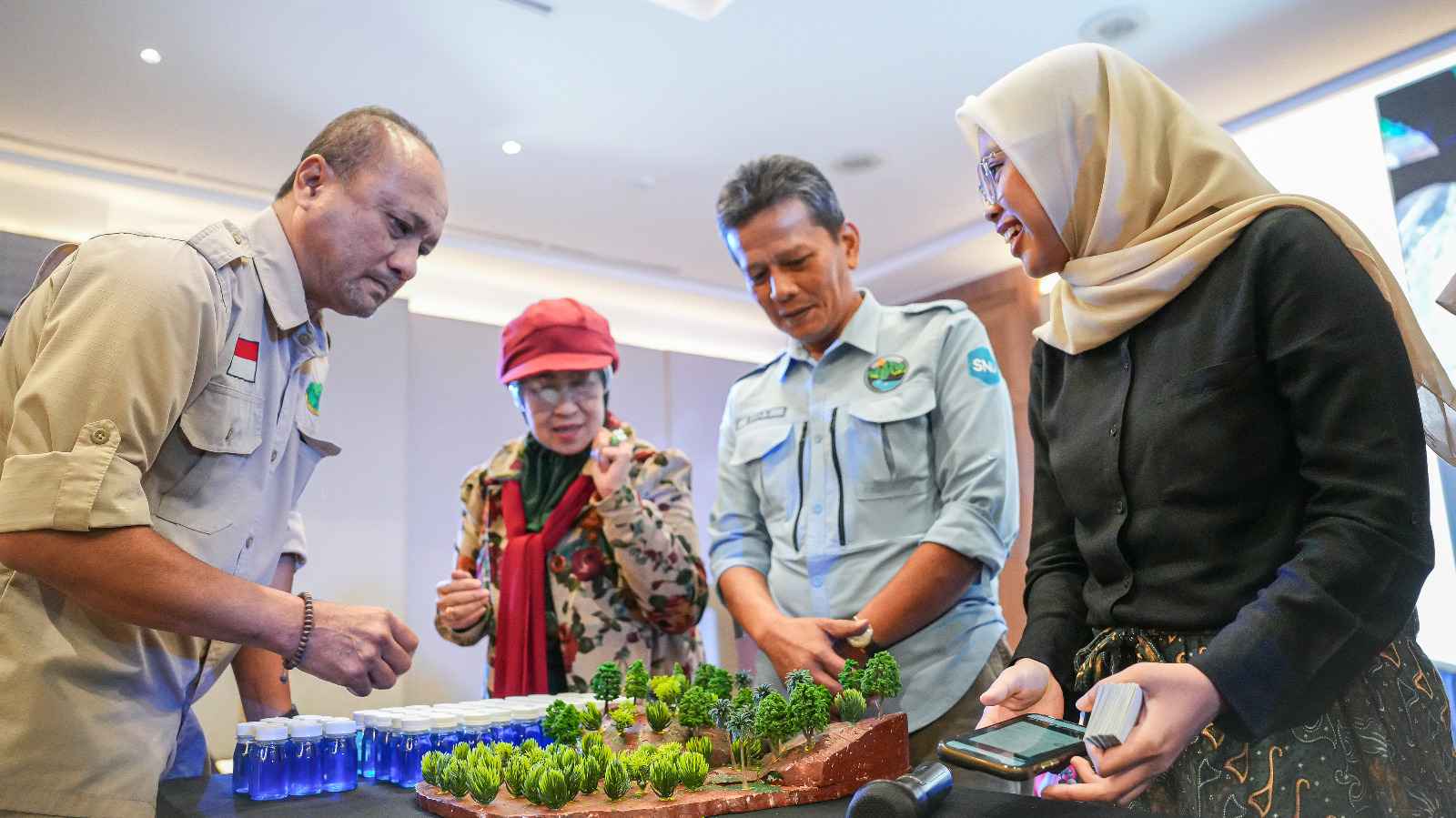
Enviro News Asia, Jakarta – The Ministry of Environment/Environmental Control Agency (KLH/BPLH) is targeting the expansion of up to 100 Payment for Environmental Services (PJLH) schemes in 2026 as part of efforts to strengthen economic incentive instruments for sustaining Indonesia’s natural resources. The announcement was made during the 2026 PJLH System Development Talk Show, themed “Sustainable Nature, Flowing Benefits: Towards 100 Environmental Service Payments in 2026,” held at the Jakarta International Convention Center (JCC).
Vice for Environmental Governance and Sustainable Natural Resources at KLH/BPLH, Sigit Reliantoro, emphasized that the target of 100 PJLH schemes should not be interpreted merely as a numerical goal, but as an expansion of quality and tangible impact on the ground.
“What we are pushing for is the quality of implementation, institutional strengthening, and assurance that environmental benefits are genuinely felt by communities while ecosystems remain protected,” Sigit said.
Sigit explained that PJLH is grounded in the principle of Payment for Ecosystem Services (PES), a mechanism in which parties benefiting from environmental services contribute to those who maintain the ecosystems providing those services. He noted that this principle is considered essential to strengthening the sustainability of natural resource management across various sectors.
Meanwhile, Director for the Prevention of Environmental Impacts from Regional and Sectoral Policy at KLH/BPLH, Widhi Handoyo, asserted that PJLH is not merely an environmental financing instrument, but also a mechanism that links conservation interests with community welfare.
“PJLH serves as a bridge between those who protect the environment and those who benefit from the environmental services it provides. The aim is to maintain ecosystem sustainability while delivering fair economic value,” Widhi said.
Widhi explained that the development of PJLH in Indonesia has been underway since 2005 and has been reinforced through Ministerial Regulation No. 2 of 2025. The government is currently focused on strengthening implementation through the development of a national PJLH dashboard, mapping the potential for schemes across various regions, building human resource capacity, and integrating PJLH with other environmental and natural resource management programs.
On the implementation side at the regional level, the chairman of the Sukabumi Regency Forum for Environmental Protection and Management Coordination (FKPPLH), Asep Rahmat Mulyana, shared his experience implementing PJLH based on watershed protection in the Cicatih and Cisatong sub-watersheds. The scheme involves community groups as conservation implementers, while business entities contribute financing as a form of commitment to the sustainability of the water resources they use.
“Our experience shows that PJLH can run effectively when there is clarity of roles, trust among parties, and strong regulatory support,” Asep said.
KLH/BPLH stressed that current environmental management challenges cannot be resolved through regulation alone, but also require mechanisms capable of generating genuine incentives and robust collaboration. Through the development of PJLH, the government is encouraging more partnerships between those who protect ecosystems and those who benefit from environmental services.
With a target of 100 schemes by 2026, KLH/BPLH hopes PJLH can become one of the key instruments in strengthening environmental protection while improving the welfare of communities on the front lines of safeguarding Indonesia’s natural resources. (*)