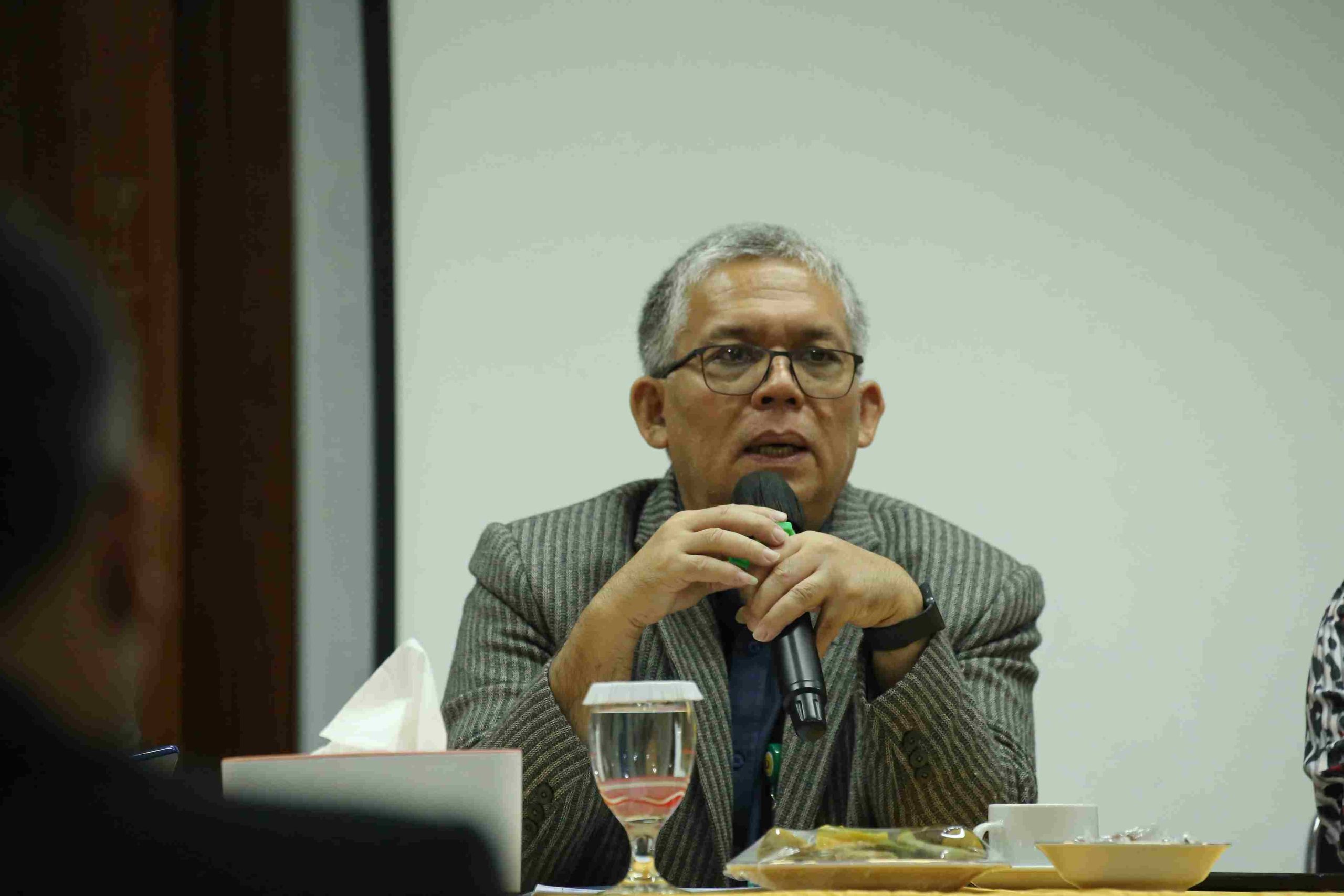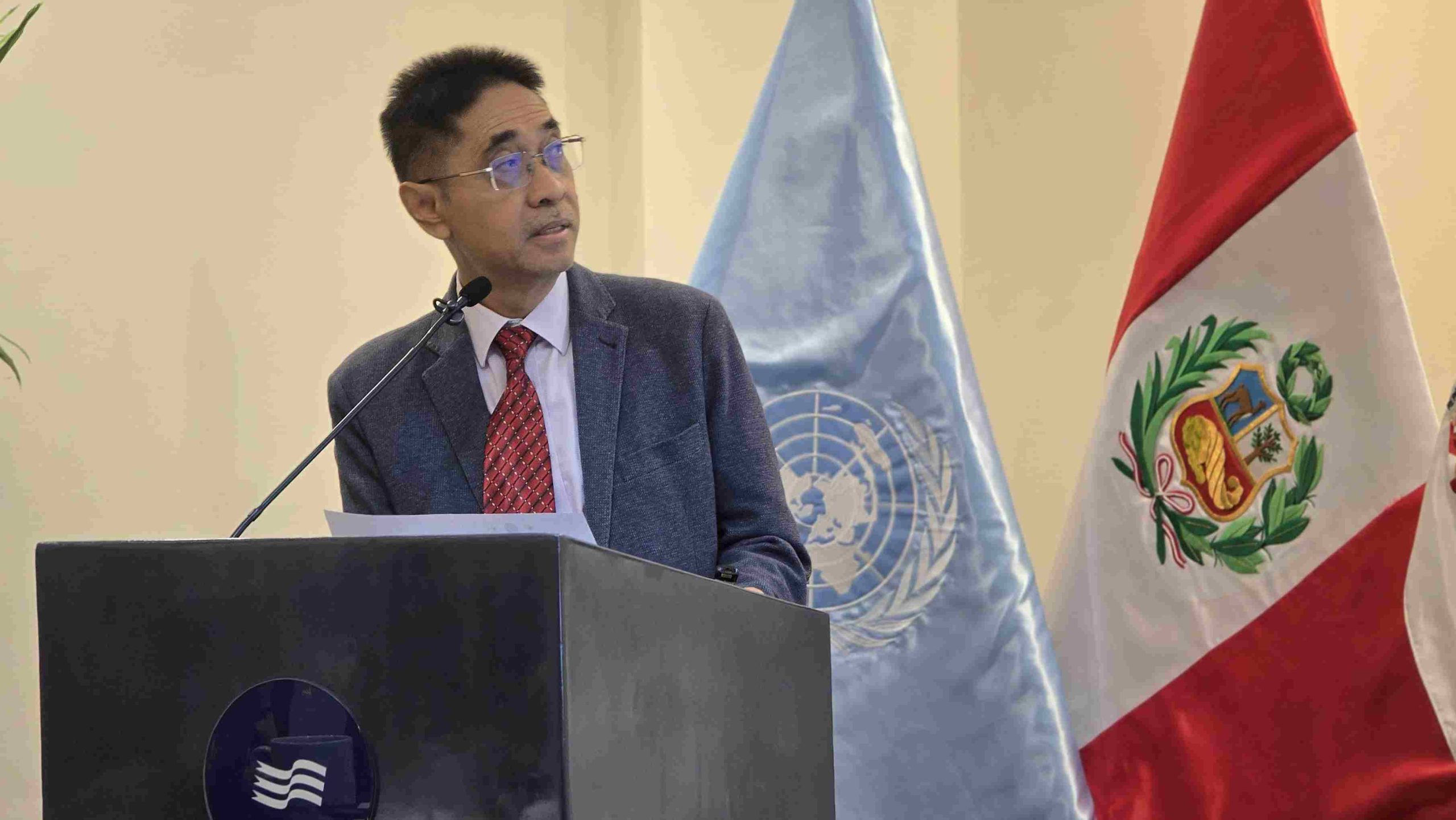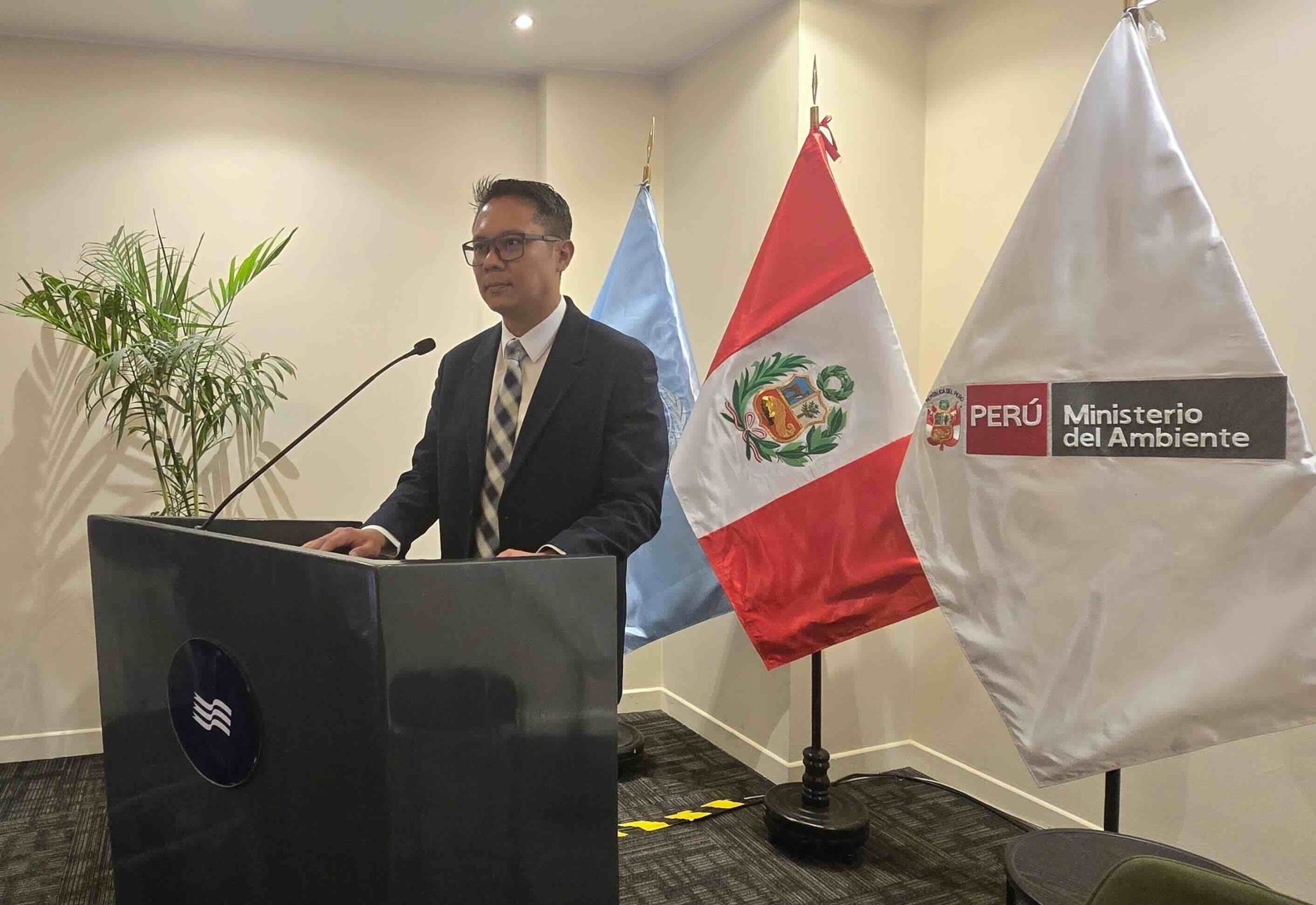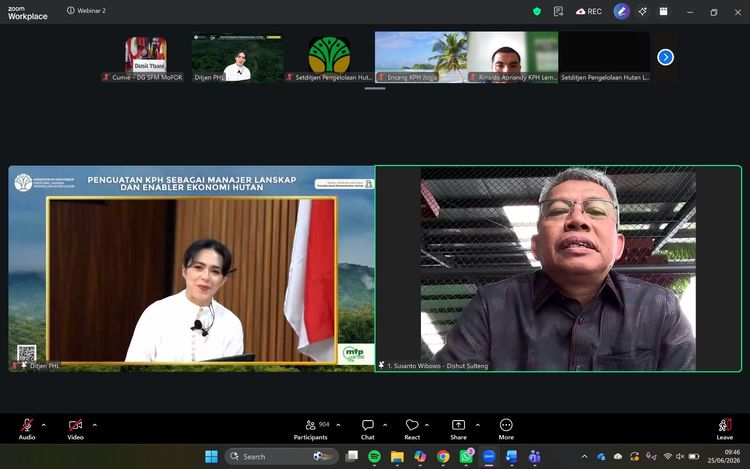
Enviro News Asia, Jakarta – The Ministry of Forestry has opened the floor to stakeholder input on plans to strengthen the role of Forest Management Units (KPH) through the revision of Ministerial Regulation No. 8 of 2021, with the second webinar in a national public consultation series drawing 952 participants from government, regional administrations, KPH units, communities, businesses, universities, civil society organizations, and the forestry sector.
Participants discussed whether KPH units can take on a stronger role beyond administrative duties while continuing to protect forest functions and without displacing the roles of communities and business actors.
Director General of Sustainable Forest Management Laksmi Wijayanti said the government is genuinely seeking input before the revised regulation is finalized.
“We are not here to explain a decision that has already been made. The input provided in this forum will directly inform the refinement of the regulatory revision,” Laksmi said.
She said KPH units today are expected to go beyond guarding forest areas to also work alongside communities, help resolve land access and tenure issues, coordinate with regional governments, and support responsible economic activities, without taking over the roles of communities and business actors.
“KPH must have a thorough understanding of their area, bring all parties together, and ensure forest functions are maintained. They can help community businesses and forest-based economic activities grow, but must not take over the role of communities and business actors,” Laksmi said.
Without stronger KPH units and better coordination, recurring problems in the field risk continuing, including protracted conflicts, communities struggling to connect with markets, regional planning proceeding without synergy, and national policies running into difficulties when applied to varying regional conditions.
IPB University Professor Bramasto Nugroho said the success of KPH units should be measured by real change on the ground rather than reports and completed activities.
“The measure of KPH success is whether forest functions remain intact, conflicts decrease, coordination improves, and communities receive fair benefits. If success is still measured primarily by reports and activities, change will only reach the administrative level,” Bramasto said.
Dr. Agus Setyarso of INSTIPER said strengthening the KPH role also requires different capabilities and ways of working, with KPH units needing people who can identify opportunities, build partnerships, and create public value from forests, supported by landscape intelligent systems and the ability to manage trade-offs in forest resource utilization.
“This does not mean KPH must become a business actor. Rather, KPH should help responsible communities and business actors develop economic opportunities while maintaining the public interest and forest functions,” Agus said.
Head of KPH Pesawaran Iskandar provided a concrete field example, demonstrating how candlenut utilization in KPH Pesawaran has stimulated the local economy, with a value chain running from candlenut fruit processed into oil and then into shampoo sold on online marketplaces, showing how forest resources within a KPH can be mobilized as an instrument for equitable regional development.
On financing, the Head of the Central Sulawesi Provincial Forestry Agency suggested that KPH units begin internalizing regional medium-term development plans (RPJMD), not merely as a gateway to regional budget funding but to position KPH as a medium for fulfilling the vision and mission of provincial governments.
Indonesia currently has 527 KPH units, comprising 352 production forest management units and 175 protection forest management units, managing approximately 95.6 million hectares of forest area across various regions.
The public consultation series, led by the Directorate General of Sustainable Forest Management, consists of 11 webinars running through August 2026, with technical support from the Multi-stakeholder Forestry Programme Phase 5 (MFP5), a partnership between the governments of Indonesia and the United Kingdom in the forestry sector. Nearly 2,000 people have participated in the series to date. (*)