Enviro News Asia, Jakarta – The Ministry of Religious Affairs (Kemenag) has launched an initiative promoting forest endowment (wakaf hutan) as a means to ensure environmental sustainability and community welfare. This initiative is part of the “Ministry of Religious Affairs Go Green: Green Theology to Address Environmental Challenges” program. The program is a campaign roadshow consisting of discussions and workshops that emphasize the importance of forest endowment as a sustainable environmental solution.
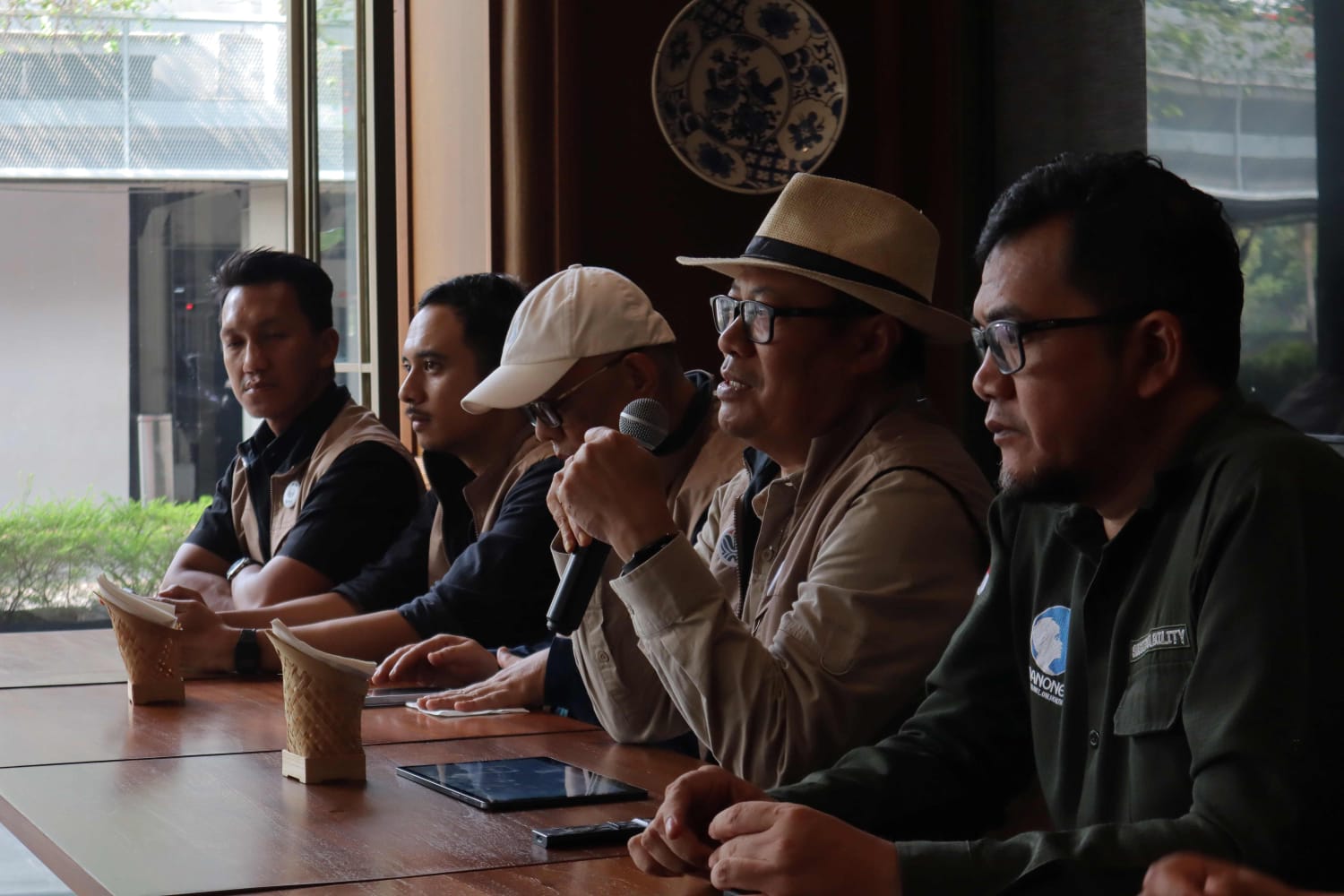
“Wakaf is not only focused on religious rituals but can also take the form of productive activities with significant impacts on environmental preservation and community welfare,” said the Director General of Islamic Community Guidance at the Ministry of Religious Affairs, Abu Rokhmad, in Jakarta on Saturday (March 8, 2025), as stated in the ministry’s official press release.
Abu Rokhmad highlighted that forest endowment is a concrete step in addressing climate change and ensuring environmental sustainability. “Islam teaches the importance of preserving nature as a trust from Allah, and the concept of wakaf serves as a highly relevant instrument in this regard,” he explained.
He further elaborated that the roadshow is organized by the Directorate of Zakat and Waqf Empowerment at the Ministry of Religious Affairs, featuring a discussion titled Planting Roots in Paradise: From the Community for the Future. This discussion is open to the public. Additionally, there is a special workshop themed Nazhir by Hutan Wakaf Bogor: Replicating the Forest Endowment Model, which is exclusively for selected invitees.
The event will take place in four different locations: Wajo, South Sulawesi, on March 6, 2025; Gunung Kidul, Yogyakarta, on March 9, 2025; Tasikmalaya, West Java, on March 11, 2025; and Padang, West Sumatra, on March 14, 2025.
According to Abu Rokhmad, this initiative aligns with the government’s efforts to strengthen the role of waqf as an economic and environmental solution. “We want the public to understand that waqf is not limited to land or buildings but can also take the form of forests that provide long-term benefits,” he added.
He hopes that this program will encourage more people to engage in the green waqf movement, whether as donors (waqif), managers (nazir), or beneficiaries. “The Ministry of Religious Affairs hopes that through this program, more people will participate in the green waqf movement. Further information can be obtained through the official contact persons provided,” he concluded.