Enviro News Asia, Bangkok — Regional cooperation on forest fire management has advanced following the completion of a two-week Training of Trainers program on forest fire suppression organized by the Asian Forest Cooperation Organization (AFoCO) in Thailand.
The program concluded on 30 January 2026 with a closing ceremony at the Royal Forest Department in Bangkok, marking the end of an intensive capacity-building initiative conducted under the Forest Fire Management in Asia (FFMA) framework. The initiative aimed to strengthen professional, safe, and effective wildfire suppression capabilities across tropical forest landscapes in Asia.
Senior diplomatic and government officials attended the ceremony, underscoring strong international support for the initiative. Among them were Park Yongmin, Ambassador of the Republic of Korea to Thailand; Mathilde Teruya, Deputy Head of Mission of the Embassy of France to Thailand; and Supot Pooratanaopa, Deputy Director General of the Royal Forest Department of Thailand.
Over the course of the program, 22 participants from five AFoCO member countries underwent specialized training in Kanchanaburi Province, supported by nine international forest fire experts. The curriculum combined scientific analysis, operational planning, and field-based exercises tailored to the unique challenges of tropical forest fires.
The first phase of the training focused on building a technical foundation, with sessions covering fire behavior, suppression tactics, safety management, and operational case studies. Participants reinforced these lessons through initial field exercises designed to strengthen teamwork, communication, and disciplined fireground operations.
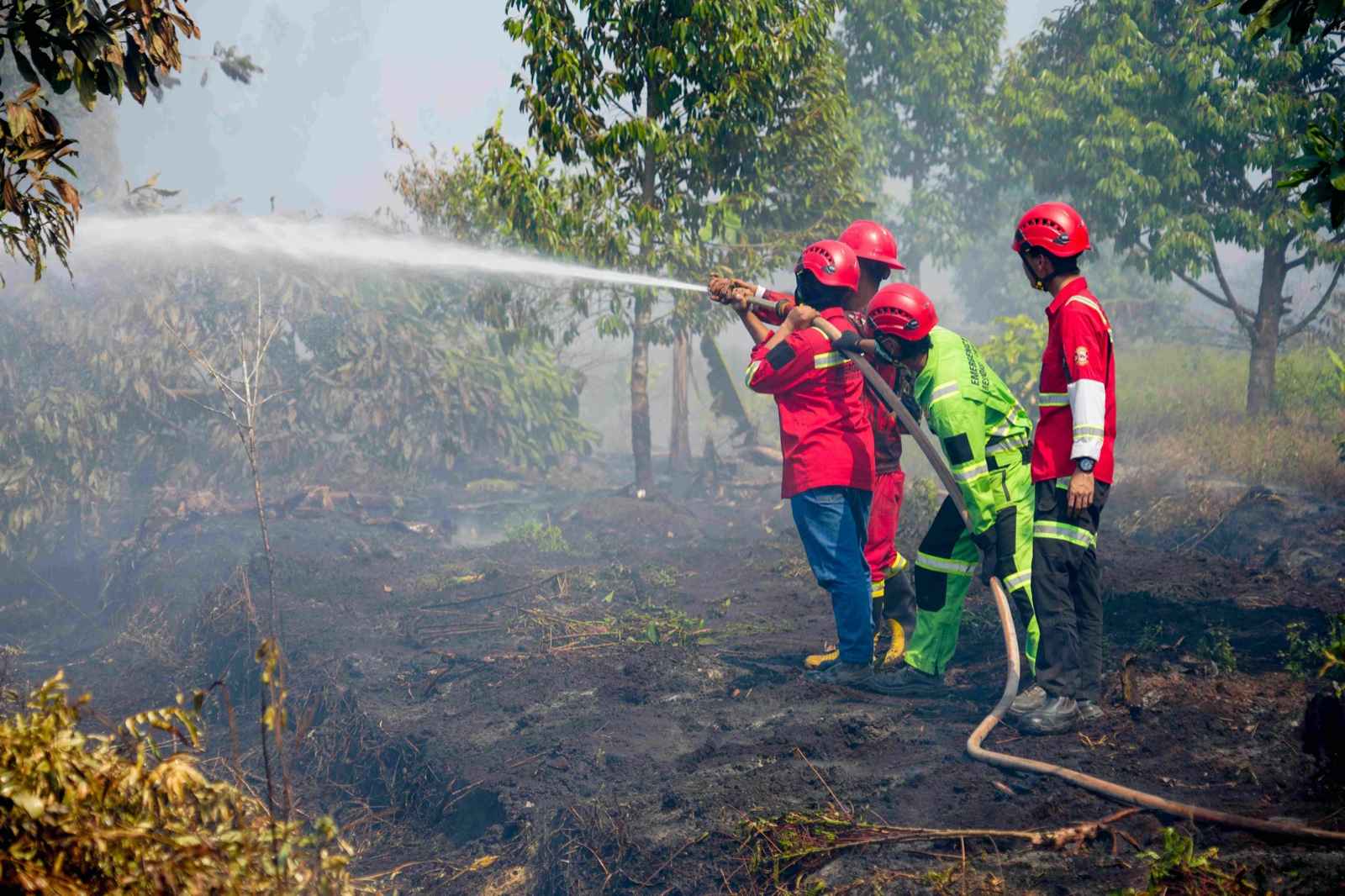
During the second phase, the training shifted to advanced, scenario-based field simulations conducted under demanding conditions. Participants applied techniques such as coordinated fireline construction, cross-fire suppression, and prescribed burning, while adhering to strict safety protocols, including the use of personal protective equipment, risk assessment procedures, and first aid preparedness.
The program also introduced participants to aerial deployment techniques through rappel training delivered by instructors from the Aviation Headquarters of the Korea Forest Service. The session familiarized trainees with wildfire response operations in remote and mountainous terrain, expanding their operational readiness.
Park Yongmin reaffirmed the Republic of Korea’s commitment to supporting AFoCO and the FFMA Initiative, emphasizing the value of sharing technical expertise to enhance regional preparedness. “Strengthening cooperation and capacity in forest fire management is essential for addressing increasingly complex wildfire risks,” he said.
Mathilde Teruya highlighted the importance of international collaboration in promoting sustainable forest management and effective disaster risk reduction, while Supot Pooratanaopa commended participants for their professionalism and resilience during the demanding program. He noted that strengthening human capacity remains critical as forest fires grow more frequent and severe across the region.
Following the program’s completion, participants will return to their home countries as certified trainers, equipped to replicate the training at the national level. AFoCO said this cascading approach is expected to extend the program’s impact by developing a broader network of skilled forest fire trainers and frontline responders across Asia.
The Training of Trainers initiative represents a key step in reinforcing regional cooperation and operational standards in forest fire management, as Asian countries seek to enhance collective resilience in the face of escalating wildfire risks driven by climate change. (*)