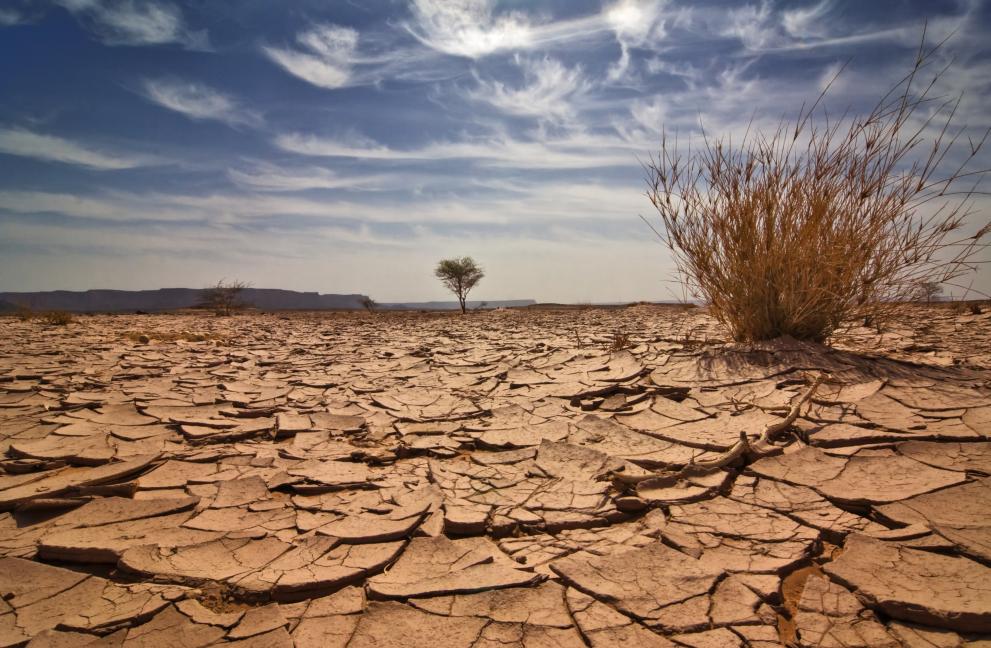
Enviro News Asia, Jakarta – Weather conditions and flooding continue to challenge food security in Indonesia. In 2023 alone, a total of 50,469 hectares of rice fields across 20 provinces failed to harvest due to floods. According to the National Disaster Management Agency (BNPB), there were 331 flood events, accounting for 44% of total disaster occurrences in 2023.
Mernek Village, located in Maos District, Cilacap Regency, Central Java, has not been spared from harvest failures due to weather issues. This area is considered one of the key rice granaries supporting food self-sufficiency, particularly in Cilacap Regency, with a total rice field area of 293.4 hectares.
“Together with our partners, we have started utilizing technology to boost food production through organic farming practices based on appropriate technology innovations and the use of renewable energy (RE),” said Mernek Village Head, Bustanul Arifin.
To address the challenges of unpredictable rainy seasons, farmers in Mernek Village have collaborated with Pertamina to implement the Rotary Dryer (Pinky Rudal) system for drying rice. This innovation from Pertamina, developed through PT Pertamina Patra Niaga Fuel Terminal Maos, uses gas-fueled and solar-powered equipment to dry unhusked rice, eliminating dependence on sunlight.
“Currently, more than 2,154 village farmers, through Village-Owned Enterprises and farmer groups, are actively involved in operating and managing the Rotary Dryer. Farmers contribute through a fee system to cover the cost of Bright Gas fuel and maintenance expenses,” Bustanul explained in a press release on Friday (May 2, 2025).
Fadjar Djoko Santoso, VP of Corporate Communication at PT Pertamina (Persero), stated that Mernek Village is part of the Energy Independent Village (DEB) program initiated by Pertamina in collaboration with local communities. There are currently 172 DEB initiatives across Indonesia, with 31 villages focusing on food security, including the Mernek program.
“Mernek Village is one of the DEBs that has successfully implemented energy transition initiatives, contributing to environmental sustainability while advancing the village economy,” said Fadjar.
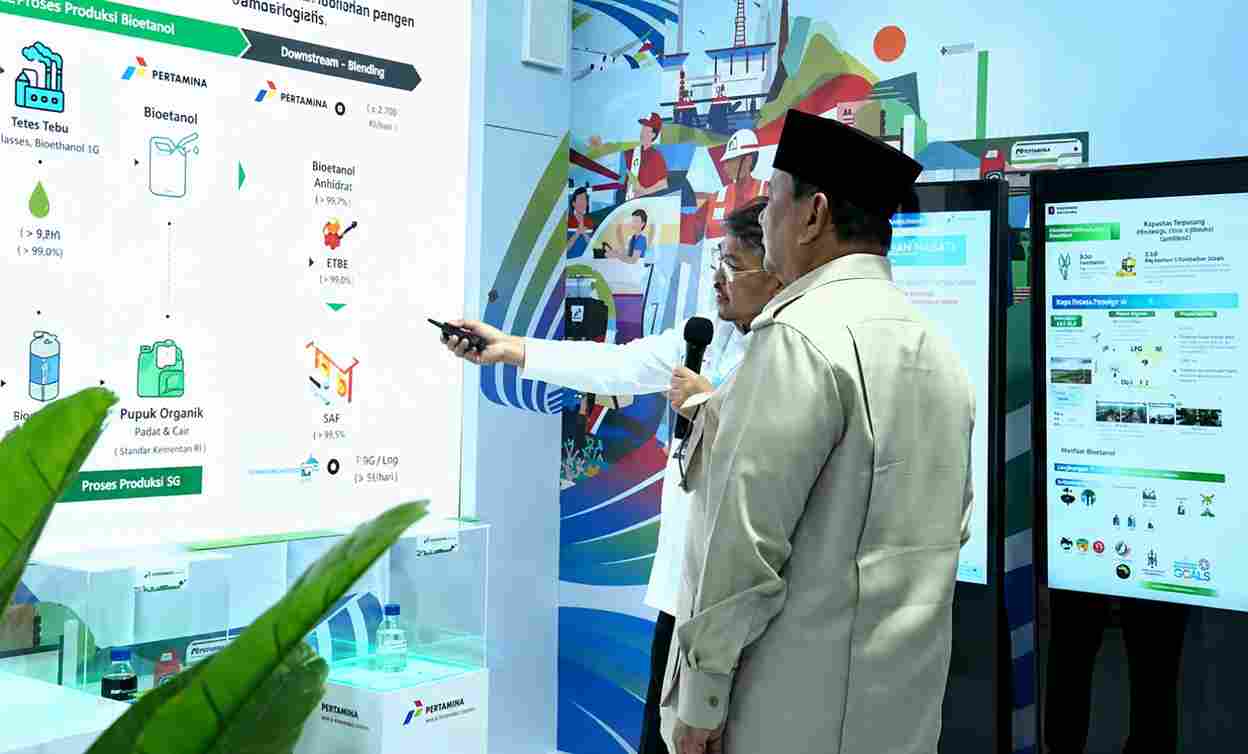
According to Fadjar, the DEB program is one of Pertamina’s innovations in preserving the planet. It harnesses renewable energy sources such as solar, wind, and biogas to empower rural communities, thereby improving economic conditions, increasing community empowerment, and reducing carbon emissions.
The efforts of Mernek residents have borne fruitful results. They are now capable of supplying 120 tons of agricultural products to food distributors. The use of solar-powered and gas-based equipment has significantly improved harvest quality and increased the price of unhusked rice by IDR 200,000 to IDR 300,000 per ton.
Moreover, the program has empowered local women to be more productive. “We grow vegetables using hydroponic methods powered by solar panels. We utilize our home gardens to produce organic vegetables, which we sell to earn additional income,” said Apriliyanti, Head of the Mewah Women’s Farming Group (KWT Mewah).
The DEB program, combined with appropriate technology collaboration, has made a tangible contribution to achieving the Sustainable Development Goals (SDGs), specifically Goal 7 (Clean Energy), Goal 2 (Zero Hunger), and Goal 13 (Climate Action).
As a leading energy transition company, Pertamina is committed to supporting the Net Zero Emission 2060 target by continuously promoting initiatives that directly impact the achievement of the SDGs. These efforts align with the implementation of Environmental, Social & Governance (ESG) principles across all Pertamina’s business lines and operations.