Enviro News Asia, Jakarta — PT PLN Energi Primer Indonesia (PLN EPI) has strengthened Indonesia’s energy transition efforts through an international collaboration in the bioenergy and biomass sector. The partnership is aimed at supporting coal power plant co-firing programs, reinforcing a sustainable biomass supply chain, and advancing low-carbon research to support national emission reduction targets and Net Zero Emissions by 2060.
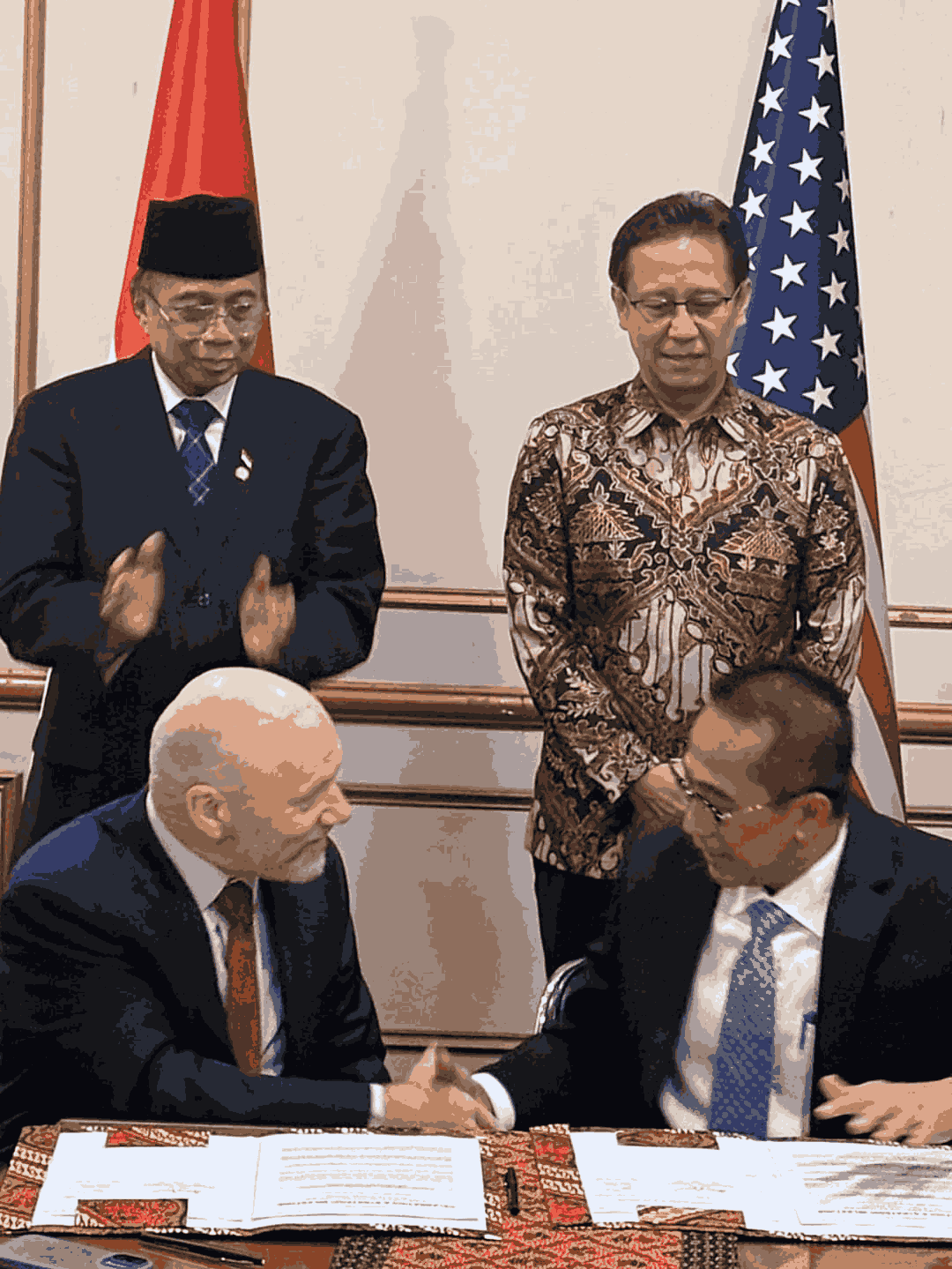
The commitment was formalized through the signing of a Memorandum of Understanding (MoU) between PLN EPI and Greenery Inc., a consulting firm from South Korea, in Jakarta. Under the agreement, both parties agreed to establish a cooperation framework covering biomass development, technical research, fuel quality enhancement, and the exploration of international emission reduction initiatives, including cross-border carbon mechanisms.
Director of Bioenergy at PLN EPI, Hokkop Situngkir, emphasized that biomass plays a strategic role in the energy transition due to its ability to be implemented using existing power plant infrastructure. However, he stressed that success depends on supply security and strong governance.
“Bioenergy, particularly biomass, is not merely an alternative fuel but an integral part of the broader energy transition strategy. Therefore, supply must be sustainable, value-added, and managed under robust governance,” Hokkop said.
He added that the collaboration with Greenery would accelerate technology transfer and the development of economically valuable biomass products. According to him, agricultural residues and intermediate products should not be treated merely as waste.
“Biomass and its derivatives must be capitalized into value-added products, not only for energy but also for food and the broader bioenergy industry. This aligns with the government’s efforts to strengthen national energy security,” he said.
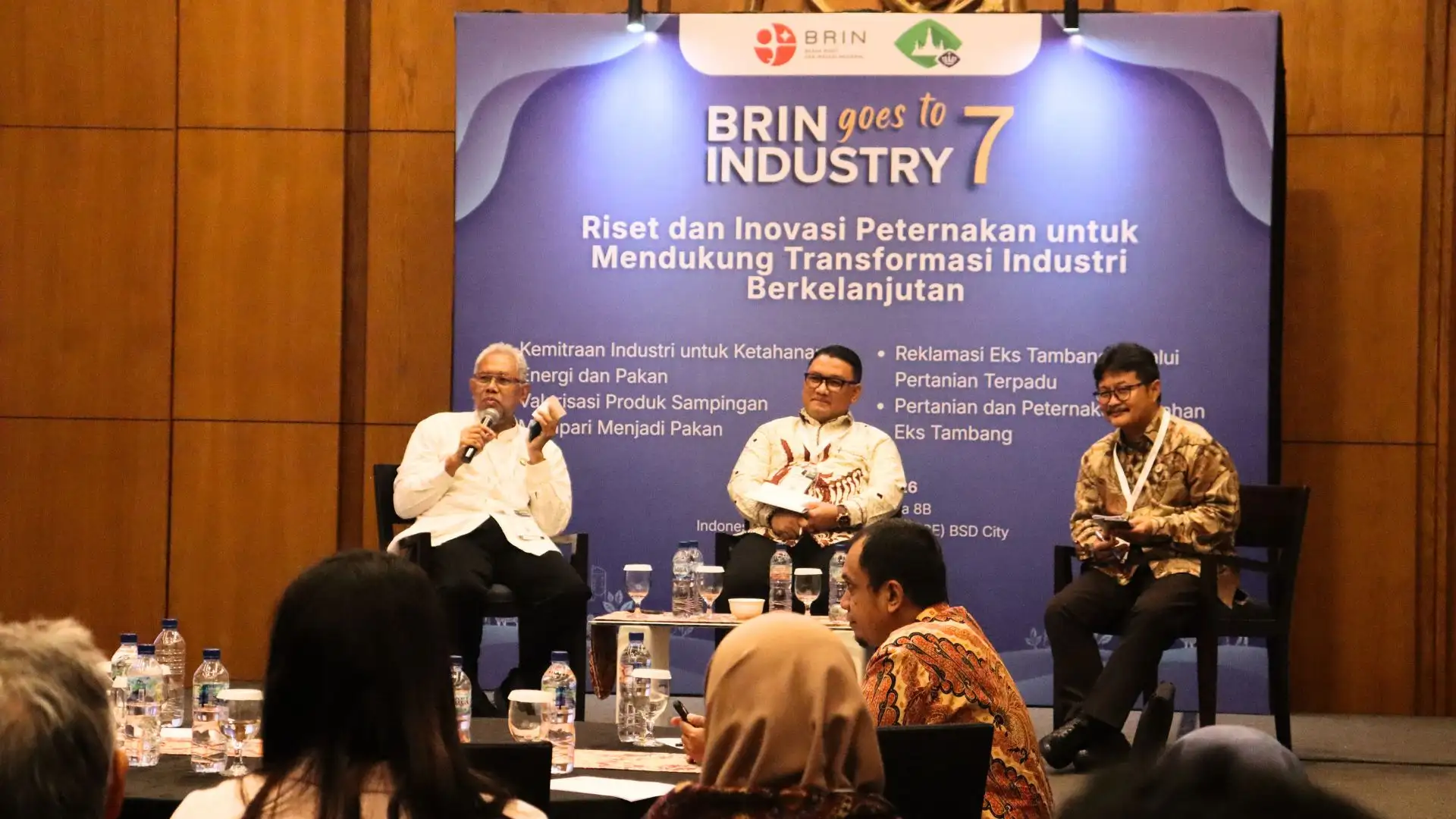
From a research perspective, Leader of the Research Group for Industrial Sustainability and Product Optimization at BRIN, Dudi Iskandar, highlighted the importance of collaboration to ensure that low-carbon research delivers tangible outcomes.
“As a research institution, our core responsibility is to generate innovations that can be implemented. Without collaboration with PLN EPI, international partners, and universities, research would not deliver real impact,” Dudi said.
He explained that the collaboration includes the development of low-carbon technologies, carbon economic studies, and measurable emission monitoring systems to support government policy.
“This research is expected to help policymakers formulate measurable emission reduction strategies while unlocking additional economic value from carbon management,” he added.
Company Representative of Greenery Inc., Seijin Kim, stated that the bioenergy development project in Indonesia marks Greenery’s first initiative in the country, complementing similar projects implemented in several other nations.
“Indonesia has a very timely momentum to become a model for bioenergy collaboration and energy transition. This project is not only about energy, but also about health, community development, and achieving global climate targets,” Kim said.
He added that preliminary research is targeted for completion in early January 2026, followed by full-scale research in the subsequent year as technology readiness and supporting systems advance.
“We see that Indonesia is ready, and we are optimistic that this collaboration can become a model for Indonesia–Korea cooperation in the bioenergy sector,” he said.
Meanwhile, Chairman of PT Internasional Digital Sustainability Consulting, Laode M. Kamaluddin, noted that cross-sector integration represents a key strength of the collaborative model.
“This approach integrates the energy, industrial, and regional development sectors. With its scale and potential, Indonesia has the opportunity to become a global model for bioenergy and carbon economy development,” he said.
Through the MoU, PLN EPI and Greenery agreed to promote the development of biomass and agricultural residues, conduct joint technical research, strengthen sustainable supply chains, and enhance capacity building and knowledge transfer. The collaboration is expected to reinforce PLN’s co-firing targets while delivering measurable environmental and socio-economic benefits. (*)