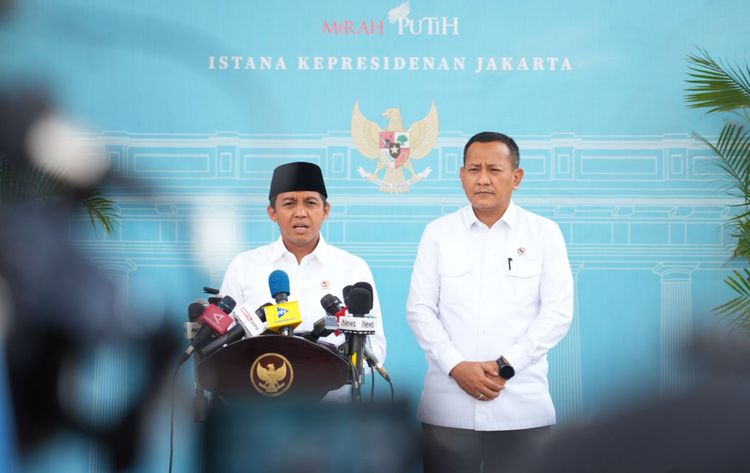


Enviro News Asia, Serang — The Indonesian government, through the Ministry of Environment (KLH), has taken swift action to address the cesium-137 (Cs-137) radiation contamination detected in the Cikande industrial area, Serang Regency, Banten. Minister of Environment Hanif Faisol Nurofiq, who also serves as the Executive Chair of the Task Force for Cs-137 Radionuclide Radiation Response, personally led the on-site operation, accompanied by Deputy Minister for Pollution and Environmental Damage Control, Rasio Ridho Sani, and Deputy Minister for Environmental Law Enforcement, Rizal Irawan.
KLH has classified the incident as a special national emergency, mobilizing cross-sectoral resources to accelerate area recovery and ensure public safety. The government emphasized the importance of institutional synergy, information transparency, and public participation in every phase of the environmental response and recovery process.
Immediate actions included scientific mapping of radiation exposure levels, soil, water, and vegetation sampling, and containment of contaminated zones. KLH also installed radiation hazard signs in affected areas and initiated continuous decontamination. “We are also preparing an interim storage facility for Cs-137-contaminated waste, in compliance with radiation safety standards,” said Minister Hanif on site, Tuesday (Oct 7).
The Task Force’s Mitigation and Contamination Management Division, led by Rasio Ridho Sani, continues to clean and decontaminate materials in several affected locations. Over the past two days, the team has completed decontamination in four business sites within the Modern Cikande Industrial Area that were found to have Cs-137 levels exceeding environmental thresholds.
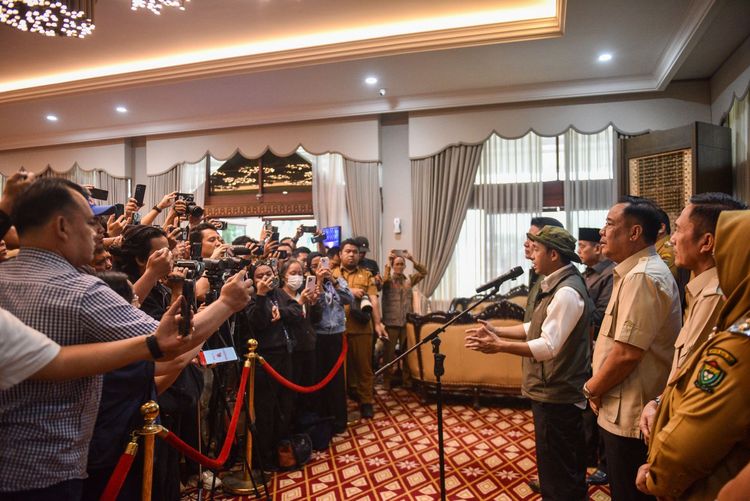
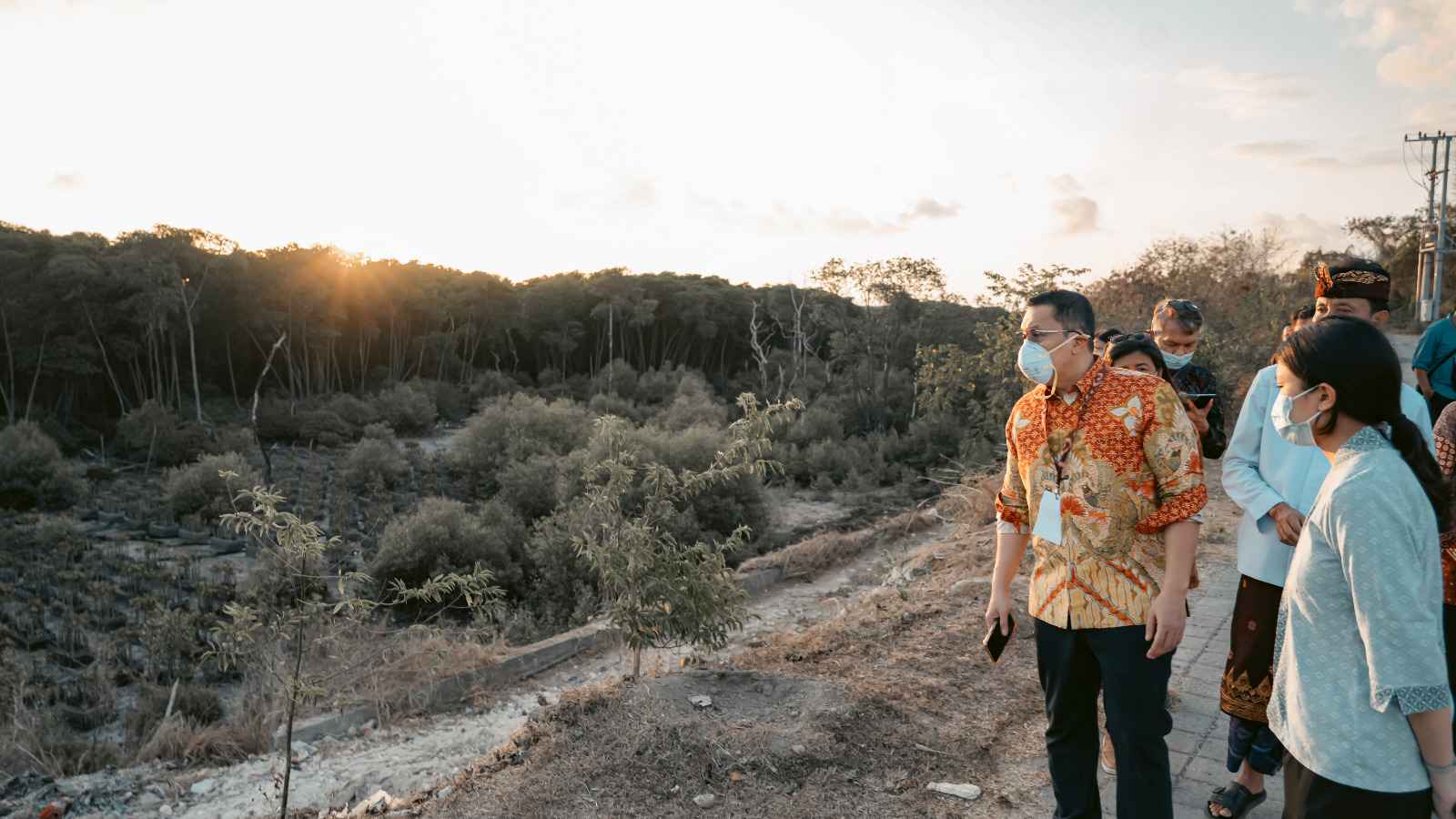
Minister Hanif also inspected the vehicle monitoring post operated by the Police’s Gegana Bomb Squad to detect potential radiation exposure on vehicles and goods. During his visit, he sealed an additional site showing signs of Cs-137 contamination and conducted direct outreach to residents of Nambo Udik Village regarding radiation hazards and health precautions.
To ensure more accurate mapping of affected areas, the National Research and Innovation Agency (BRIN), the Nuclear Energy Regulatory Agency (Bapeten), and the Police’s Chemical, Biological, Radiological, and Nuclear (CBRN) Unit conducted surveys within a 2–5 km radius of the radiation source. Sampling included soil, groundwater, vegetation, river sediment, and lake water. Measurements at “Site E” recorded radiation levels exceeding 500 µSv/h, prompting technical teams to label the area with radiation hazard warnings.
Based on recommendations from BRIN and Bapeten, the Ministry of Health will soon conduct periodic health examinations for affected residents, supported by public education on Clean and Healthy Living Behavior (PHBS) involving the military, police, community leaders, and religious figures.
The government reaffirmed that all efforts are aimed at restoring the Cikande industrial area to a safe, clean, and radiation-free state, ensuring maximum protection for public health and long-term environmental sustainability. (*)