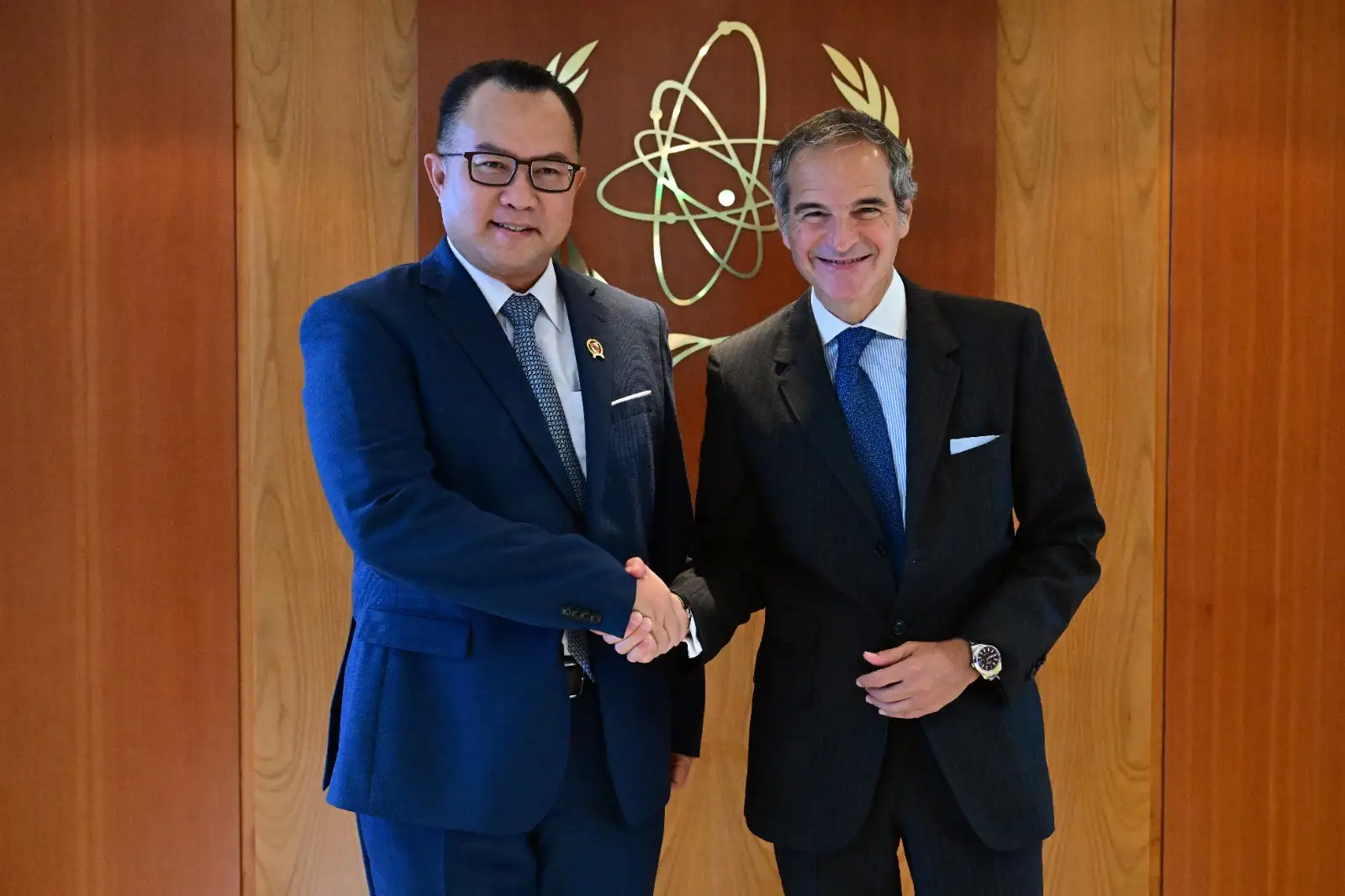
Enviro News Asia, Brussels – Volatility in energy prices triggered by armed conflict in the Middle East has once again demonstrated the risks of the world’s dependence on fossil fuels. The Executive Secretary of the United Nations Framework Convention on Climate Change (UNFCCC), Simon Stiell, emphasized that this situation should serve as a stark warning for all countries to accelerate the transition toward renewable energy. He delivered the statement during his keynote address at the Green Growth Summit 2026 in Brussels on Monday (16/3/2026).
Stiell did not hesitate to use strong language in describing the current situation. He stated that dependence on fossil fuels is “tearing apart sovereignty and national security,” replacing them with vulnerability and escalating costs. According to Stiell, Europe is among the major economies most reliant on imported fossil fuels, with expenditures reaching €420 billion in 2024 alone. He further described arguments in favor of continued fossil fuel dependence as “entirely delusional.”
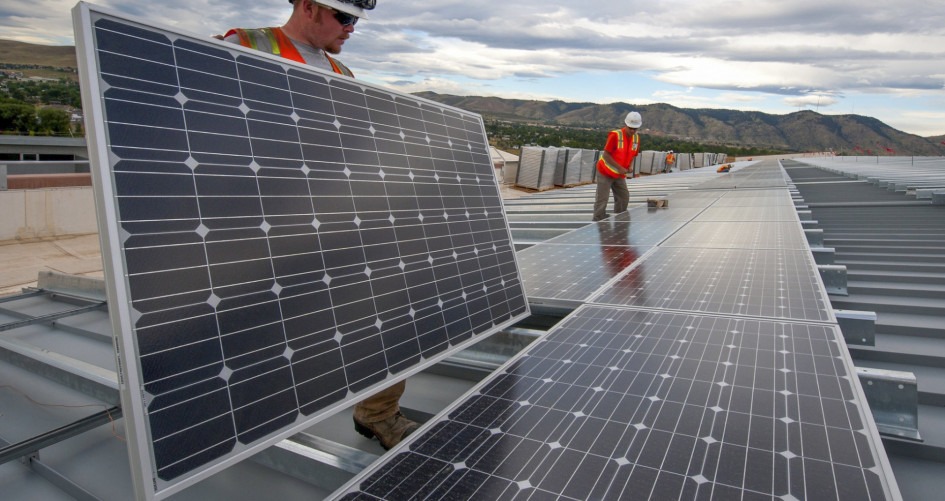
Addressing climate ministers, business leaders, and investors across Europe, Stiell presented renewable energy as a practical and readily available solution. “Renewable energy turns the tables,” he said. “Sunlight does not depend on narrow and vulnerable shipping lanes. Wind flows freely without the need for taxpayer-funded naval protection. Renewable energy enables countries to shield themselves from global turmoil.” He added that renewable energy also addresses key public priorities: security, decent jobs, public health, and relief from the cost of living.
Stiell’s remarks have been seen as signaling a notable shift in the UNFCCC’s communication tone. Kate Logan, Director of the China Climate Hub at the Asia Society Policy Institute, noted that the speech conveyed an unusual level of urgency for a public statement from the UNFCCC. “While they have long emphasized the energy security and economic growth benefits of renewable energy, we are now at a moment where the transition away from fossil fuels is clearer than ever,” Logan said.
Meanwhile, Kate Guy of the Center on Global Energy Policy stated that the conflict in the Middle East illustrates how countries can weaponize energy flows for geopolitical purposes.
Stiell concluded with a firm warning: continued and timid reliance on imported fossil fuels will leave Europe perpetually staggering from one crisis to another, with households and industries bearing the ongoing burden. He also highlighted what he described as a “trillion-euro goldmine” in clean energy investment—an opportunity that, in his view, has been neglected for far too long.
In 2025, renewable energy surpassed coal as the world’s largest source of electricity, with clean energy investment exceeding USD 2 trillion. (*)