Enviro News Asia, Jakarta — Indonesia continues to accelerate its path toward energy independence through the development of New and Renewable Energy (NRE). This initiative responds to the country’s high dependence on fossil fuels, which has increasingly pressured foreign reserves and affected national economic stability.
One of the major milestones comes from the B40 biodiesel program, a blend of 40% palm oil and 60% diesel. Minister of Energy and Mineral Resources, Bahlil Lahadalia, stated that as of September 2025, the B40 realization had reached 10.57 million kiloliters, saving Rp93.43 trillion in foreign exchange and increasing the added value of CPO by Rp14.7 trillion. The program has also created more than 1.3 million jobs and reduced carbon emissions by up to 28 million tons.
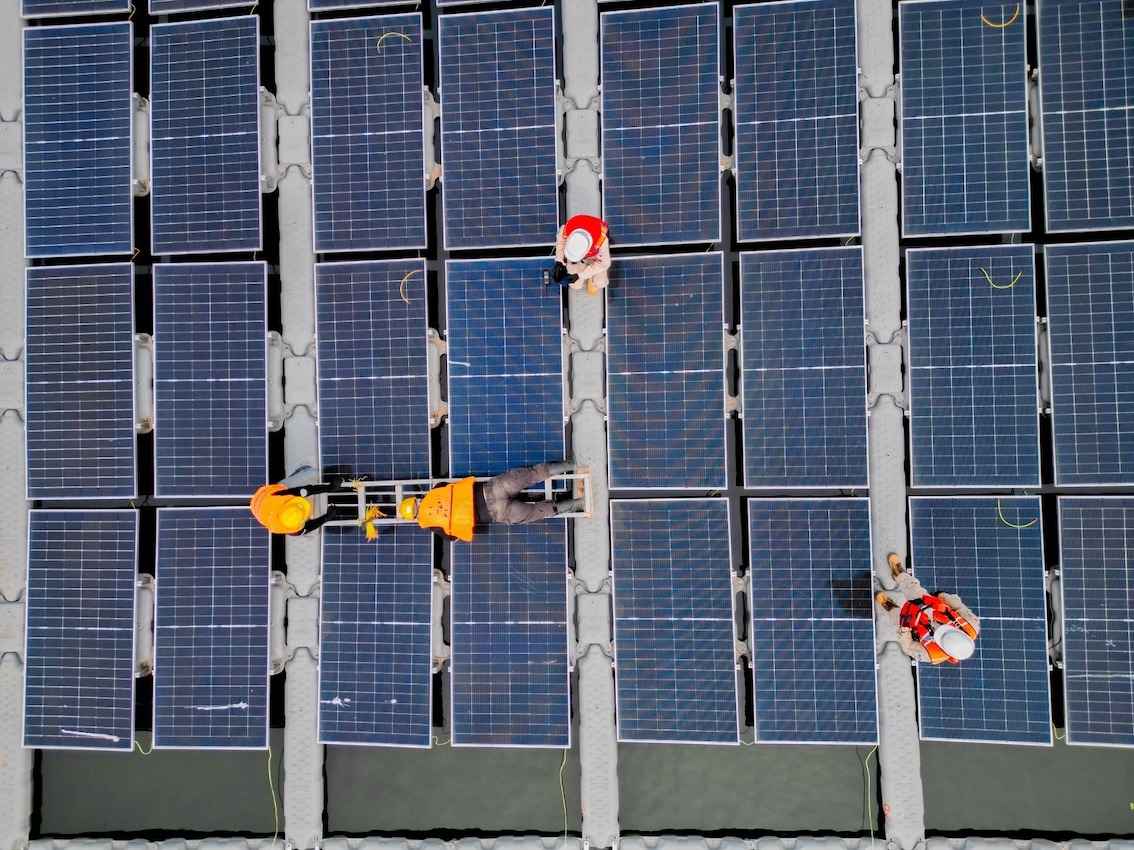
In addition to bioenergy, the government is driving energy diversification through the construction of solar power plants (PLTS) and geothermal power plants (PLTP) across various regions. Throughout 2025, President Prabowo Subianto and the Minister of Energy and Mineral Resources inaugurated 81 new power plants, most of which are renewable-based, with a total capacity exceeding 3.5 gigawatts. This initiative underscores the government’s determination to strengthen national energy resilience through clean energy sources.
Energy transformation has also reached remote villages through the establishment of communal solar power systems managed by local cooperatives. The program has proven effective in reducing energy costs while opening new economic opportunities at the community level. “The economy and ecology now progress hand in hand toward sustainable development,” said Minister Bahlil.
As part of its long-term policy direction, the government targets a national energy mix of 19–23 percent by 2030, as outlined in Government Regulation No. 40 of 2025 on the National Energy Policy. Through these measures, Indonesia reaffirms its commitment to becoming a regional leader in clean energy transition — moving toward an independent, equitable, and sustainable energy future. (*)