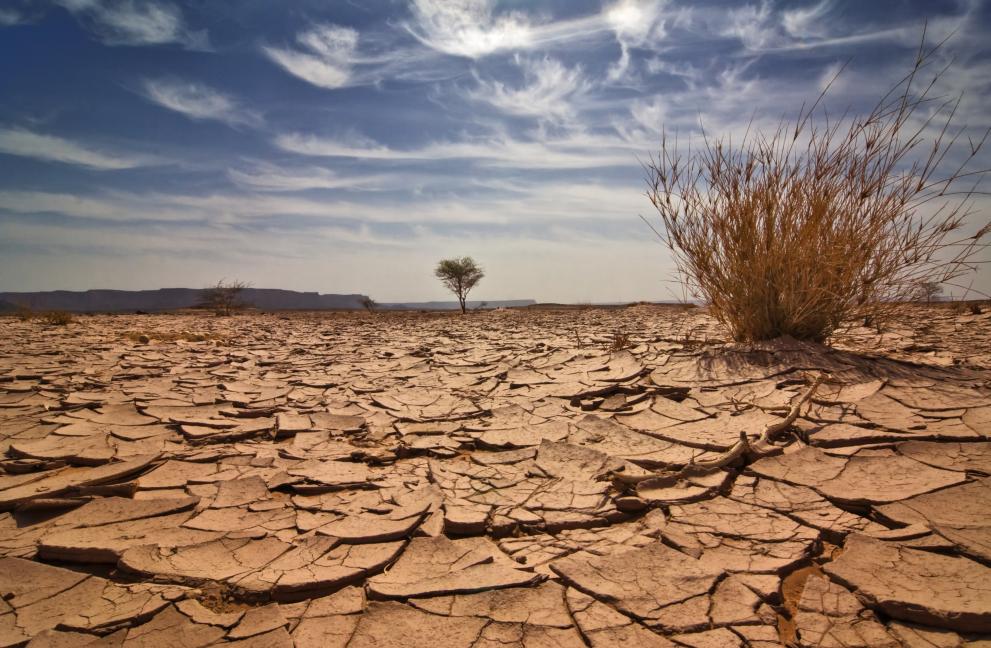
Enviro News Asia, Zambia — African economies are facing growing climate risks as extreme weather events become more frequent and intense, threatening agriculture and the livelihoods of millions of farmers. According to the World Bank, nearly 18 percent of the global population faces severe weather risks that could make recovery difficult, while in Africa the figure rises to 37 percent. The continent’s agricultural sector is particularly vulnerable because many farmers rely heavily on rainfall and lack sufficient financial safety nets.
Crop insurance and other risk-transfer mechanisms are increasingly seen as important tools to protect farmers from climate shocks while enabling agricultural transformation. These instruments provide financial compensation when disasters occur, helping farmers maintain household welfare and stabilizing income during crises. Insurance can also encourage farmers to invest in higher-return activities, such as purchasing fertilizers, expanding cultivation areas, and producing higher-value crops.
Research shows that when farmers trust their insurance coverage, they are more willing to invest in productive farming activities. Studies across Africa and other regions indicate that farmers with reliable insurance increase investment in higher-return agricultural activities by 15 to 30 percent, demonstrating that insurance can play a major role in improving productivity and rural incomes.
Despite these benefits, crop insurance remains limited across the continent. Access to affordable and reliable insurance products has been constrained, and not all agricultural risks are suitable for insurance solutions. Many crop losses can also be mitigated through improved agricultural practices such as better soil management, irrigation systems, and drought-resistant crop varieties.
However, experts say the situation is beginning to change as new technologies and policy approaches make agricultural insurance more scalable. Governments and development organizations are exploring ways to expand insurance systems by combining historical lessons, digital innovation, and targeted subsidies to support climate resilience and food security.
Historically, agricultural insurance programs began with Multi-Peril Crop Insurance (MPCI) models widely used in the twentieth century. These schemes compensated farmers for yield losses caused by multiple risks and were often tied to agricultural loans. However, MPCI programs were expensive and created moral hazard, as farmers sometimes took fewer precautions knowing their crops were insured. As a result, many of these programs were discontinued by the late 2000s.
In the 1990s, insurers began adopting Index-Based Insurance (IBI) systems, where payouts are triggered by objective indicators such as rainfall measurements or satellite data instead of individual field assessments. This approach reduced administrative costs but introduced basis risk, a mismatch between actual crop losses and the conditions required to trigger insurance payouts. If farmers experienced crop losses without the index being activated, they received no compensation, reducing trust and limiting adoption.
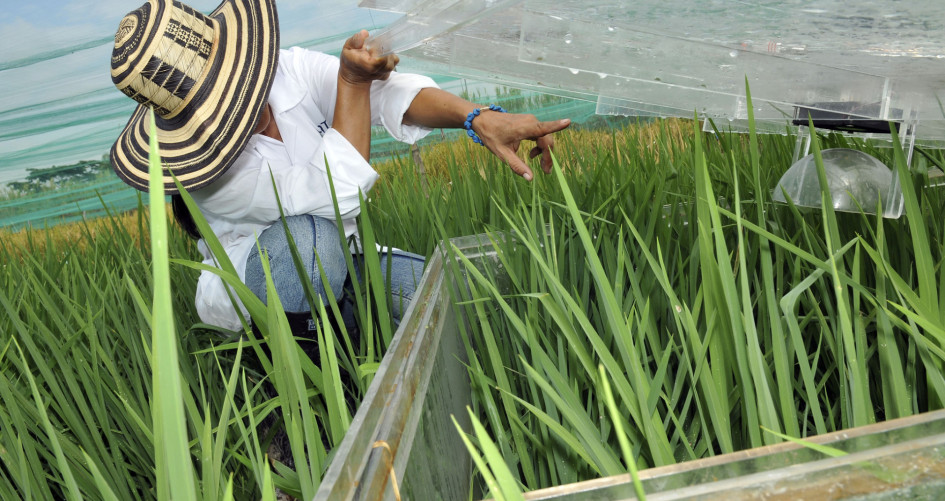
Recent technological innovations are helping overcome these challenges. New hybrid insurance models combine digital monitoring, satellite data, and on-farm verification tools. Innovations include gap insurance, which combines index insurance with targeted audits, and picture-based insurance, which uses smartphone images to verify crop damage remotely. These systems maintain low operational costs while improving accuracy and transparency.
Insurance products are also increasingly being bundled with agricultural inputs, credit services, and advisory programs. When combined with seed packages, fertilizer access, or rural lending systems, insurance helps farmers adopt improved technologies while protecting their investments.
Experts emphasize that scaling crop insurance requires better targeting of beneficiaries and clearer segmentation of agricultural markets. One promising approach focuses on insuring farmers’ production investments, such as seeds, fertilizers, pesticides, and irrigation costs, rather than insuring full farm income. This approach reduces insurance costs while still protecting critical inputs needed for agricultural productivity.
Governments are also encouraged to tailor insurance programs for different groups of farmers. Commercial farmers may benefit from market-based insurance systems supported by investments in weather stations, digital banking infrastructure, and climate data systems. Meanwhile, subsistence farmers may require stronger government support through subsidies or integration with social protection programs.
Regional mechanisms are also emerging to support disaster risk management. One example is the African Risk Capacity, an initiative backed by the African Union that provides sovereign insurance for governments facing climate-related disasters. These systems allow governments to quickly access funding to support vulnerable communities during crises.
Experts also highlight the importance of improving product quality and trust in agricultural insurance markets. Artificial intelligence and advanced data tools can improve weather index accuracy, automate claims verification through image recognition, and enable digital platforms that make insurance easier for farmers to access. Partnerships with international climate funds such as the Green Climate Fund and the Global Index Insurance Facility could help finance these innovations.
While insurance alone cannot solve all climate risks, experts emphasize that it should be part of a broader strategy that includes climate-smart agriculture, irrigation expansion, and improved crop varieties. By combining risk-reduction strategies with scalable insurance systems, African countries have an opportunity to strengthen agricultural resilience, improve food security, and support sustainable economic development across the continent. (*)