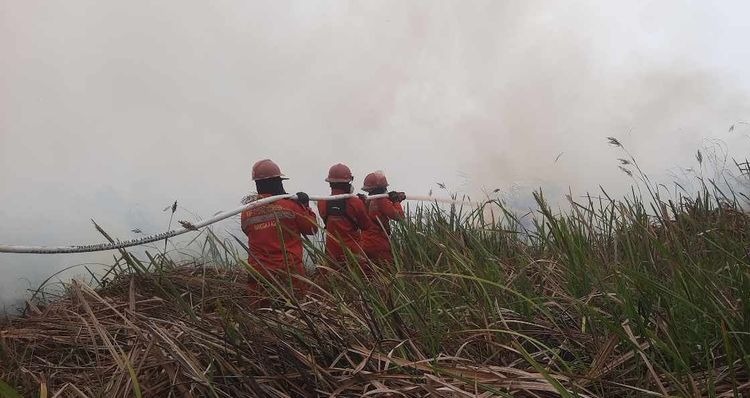
Enviro News Asia, Jambi — Indonesia is intensifying forest and land fire (karhutla) control efforts in Jambi as authorities identify September as a critical period for preventing fires from expanding during the peak of the dry season.
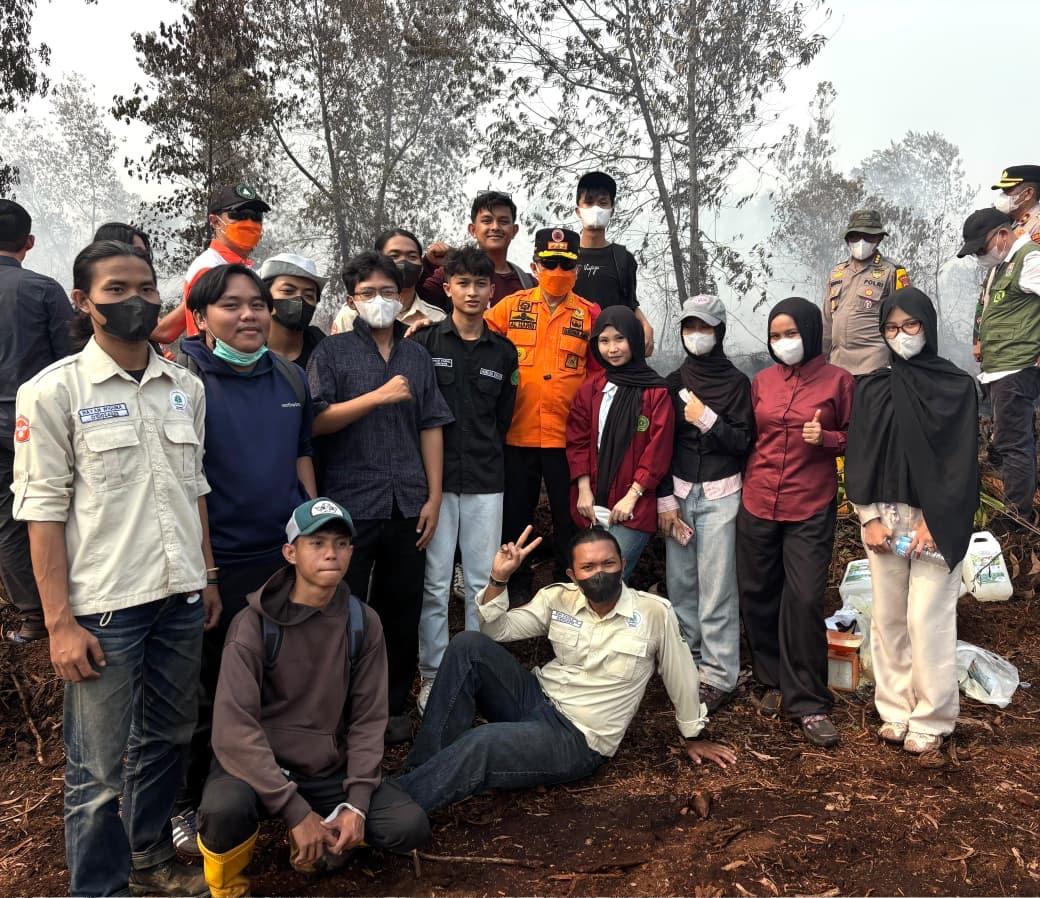
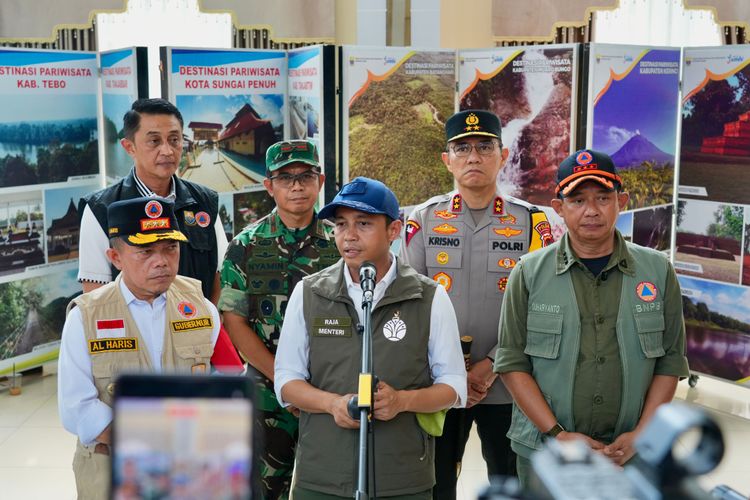
Forestry Minister Raja Juli Antoni, National Disaster Management Agency (BNPB) Chief Lt. Gen. Suharyanto, and Jambi Governor Al Haris conducted an aerial monitoring operation on September 2 to assess fire conditions and verify hotspots in the province.
The operation followed a technical coordination meeting at Sultan Thaha Airport involving the central and provincial governments, Indonesian Military (TNI), National Police, BNPB, regional disaster management agencies, and other stakeholders.
During the meeting, authorities reviewed the latest fire developments, ground and aerial firefighting operations, and mitigation measures ahead of the peak dry-season period.
The aerial patrol used a BNPB Cessna 208B aircraft and covered areas of Muaro Jambi, including Sungai Gelam and Pulau Mentaro. The operation was intended to verify hotspot information detected through monitoring systems and assess conditions directly on the ground.
BNPB Chief Suharyanto said approximately 13 hectares had been affected by fires in Jambi as of the previous day. Around 5 hectares had been extinguished, while efforts were continuing to suppress fires across the remaining 8 hectares.
Hotspot data from the Ministry of Forestry’s SiPongi monitoring system is being used as an early reference for field patrols and verification. Authorities emphasized that hotspot information must be checked on the ground to determine whether it represents an actual fire or another heat source.
During the aerial patrol, the team identified an indication of a new fire at a relatively small location. The finding was subsequently reported to the relevant task force for further action.
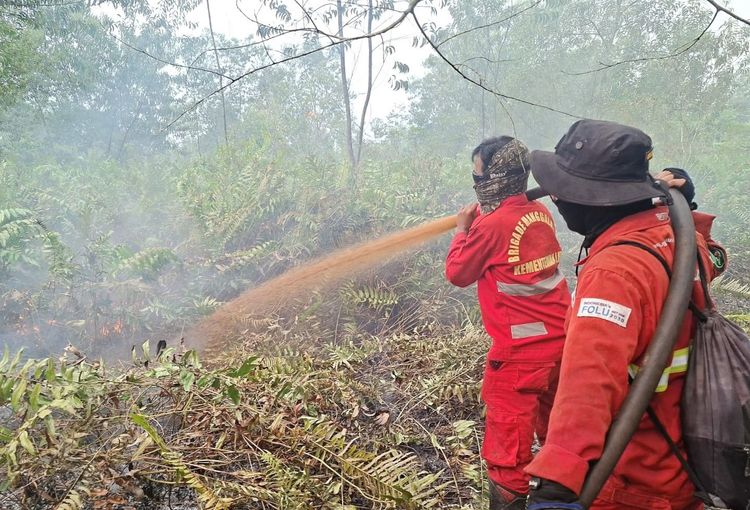
Suharyanto said ground firefighting, aerial operations and weather modification efforts would continue to be optimized to prevent fires from spreading.
September Seen as Critical Period
Forestry Minister Raja Juli Antoni warned that hotspot conditions can change rapidly. Although several priority provinces had previously shown declining trends, hotspot activity had increased again, particularly in West Kalimantan and Central Kalimantan.
He said the government would continue coordinating with provincial authorities and security agencies to evaluate developments, strengthen preparedness and reduce both detected hotspots and verified fire spots.
In Jambi, Antoni said the fire situation was showing a relatively positive trend but warned that the improvement should not lead to complacency.
“September is the peak of karhutla. This is the battlefield, and the field of struggle is precisely in September,” Antoni said, calling for continued participation from government agencies, the military, police, communities and other stakeholders.
Jambi Governor Al Haris said the provincial government and fire task force were prioritizing rapid response whenever a fire was detected. Ground teams would immediately move toward fire locations, with water bombing support from BNPB deployed when necessary.
He also highlighted the additional challenges of fighting fires on peatlands, where flames can remain beneath the surface even after visible fires have been extinguished.
“On peatlands, the fire may not be visible, but smoke remains. Within hours, a new fire can emerge in the same location,” Al Haris said.
Authorities said continued patrols, hotspot verification, firefighting, cooling operations and aerial support would remain essential to prevent fires from expanding and to minimize their impacts on communities.