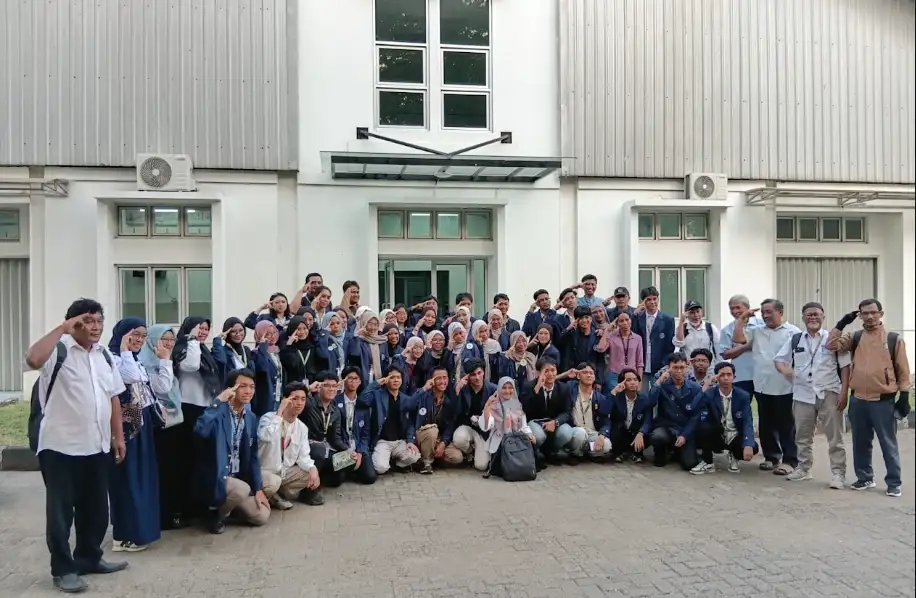
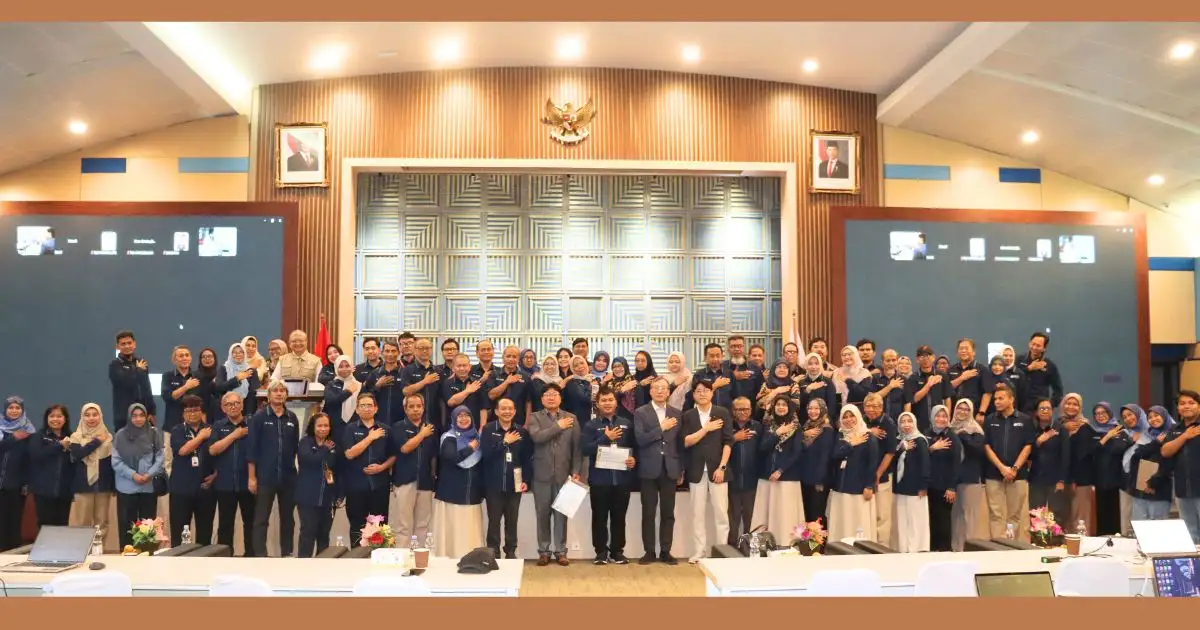
Enviro News Asia, Cianjur — The Ministry of Forestry is strengthening community-based forest management through a Social Forestry Field School in Ciloto, Cianjur, West Java, highlighting how forest conservation can go hand in hand with tourism development, agroforestry, and community-based economic activities. The field school, organized by the Directorate General of Social Forestry on Saturday (August 15), brought together representatives of Social Forestry groups recognized as forest heroes and nominees for the 2026 Wana Lestari National Awards. The program was designed as a practical learning platform. Participants were able to observe forest management practices directly, engage with local communities, and explore innovations that could be adapted to the potential and characteristics of their respective regions. Director General of Social Forestry Catur Endah Prasetiani said the experiences of Wana Lestari award recipients and nominees should be shared more widely so that successful practices could benefit other Social Forestry groups. “An award is not the end, but rather the beginning. The next challenge is to ensure that the experiences and achievements that have been developed can become examples for other Social Forestry groups,” Catur said. She emphasized that forest conservation should be accompanied by efforts to improve community livelihoods. Agroforestry, she said, could serve as one approach by maintaining the ecological functions of forests while providing communities with sustainable sources of income. The Ciloto community forest management model demonstrates how local institutions can play an important role in balancing environmental protection and economic development. Local potential is being developed through tourism, agroforestry, and community enterprises while maintaining the sustainability of forest ecosystems. The Cianjur Regent also emphasized the importance of incorporating local wisdom into regional development. Natural resources and tourism potential, he said, should be developed without compromising environmental quality, local culture, community hospitality, forests, and historical heritage. The Cianjur administration is also working to increase the added value of community products through improvements in quality, certification, packaging, processing, and market access. Support for halal certification and permits from the Food and Drug Authority (BPOM) is part of these efforts, including initiatives to connect local products with tourism and hospitality supply chains. The Ministry of Forestry considers Ciloto an example of how strong community institutions, local potential, value-added products, and multi-stakeholder collaboration can contribute to both forest conservation and community welfare. The Social Forestry Field School is therefore expected to help accelerate the exchange and replication of successful practices across Social Forestry areas in Indonesia, strengthening the role of communities as partners in sustainable forest management.