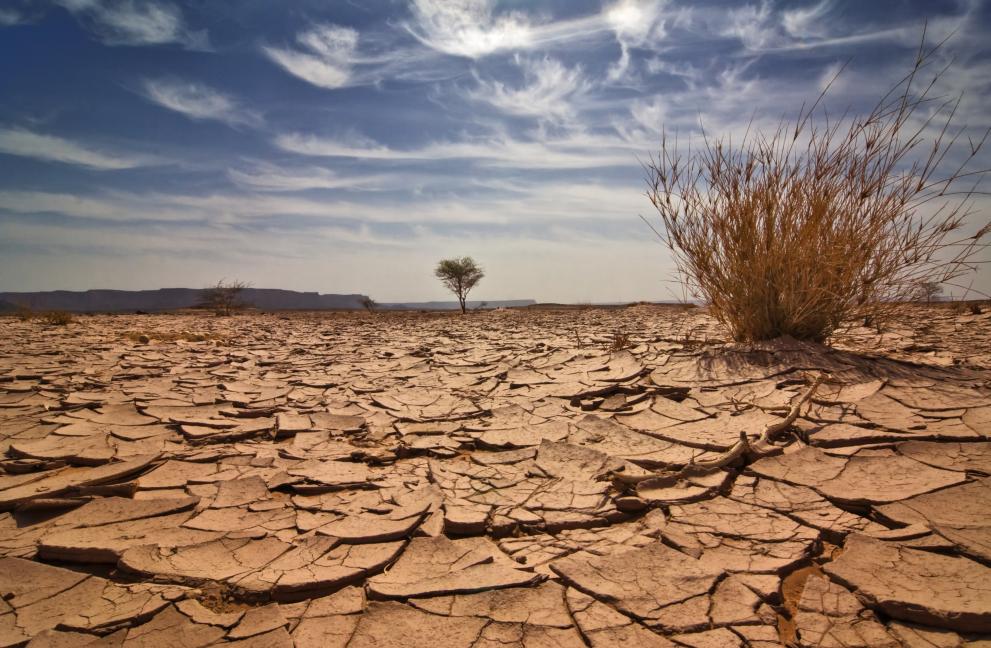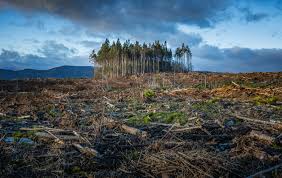
Enviro News Asia, Washington, D.C. — The concept of “loss and damage” has become increasingly central in global climate discussions as the impacts of climate change intensify worldwide. The term refers to the economic and non-economic harms caused by climate change that cannot be avoided through mitigation or adaptation measures, including destroyed infrastructure, loss of lives, damaged ecosystems, and the disappearance of cultural heritage.
The issue gained major international attention during the COP27 United Nations Climate Change Conference in 2022, when negotiators agreed to establish the Fund for Responding to Loss and Damage (FRLD) to help vulnerable countries cope with climate-related impacts. The fund officially entered operation during the COP28 United Nations Climate Change Conference the following year, marking a significant milestone in global climate finance.
Climate-related loss and damage can take different forms. Economic losses include the destruction of homes, infrastructure, crops, and markets, while non-economic losses involve human lives, biodiversity, cultural heritage, and traditional knowledge. Extreme weather events increasingly demonstrate these impacts. In 2025, cyclones, floods, and intense monsoon rains across South and Southeast Asia caused approximately USD 25 billion in economic losses, claimed more than 1,750 lives, and destroyed hundreds of thousands of homes.
Research by World Weather Attribution shows that many extreme weather events are becoming more intense due to global warming. For example, extreme rainfall events in Sri Lanka are now estimated to be 28 to 160 percent more intense due to rising global temperatures.
The debate surrounding loss and damage is closely linked to the concept of climate justice. Studies indicate that the wealthiest 10 percent of the global population have been responsible for roughly two-thirds of global warming since 1990, while the poorest half contributes only about 10 percent of global emissions. Despite contributing the least to climate change, developing countries and small island states often suffer the most severe consequences and lack sufficient financial resources to respond effectively.
According to the Grantham Research Institute on Climate Change and the Environment at the London School of Economics, climate-related loss and damage could cost developing countries between USD 290 billion and USD 580 billion annually by 2030, potentially reaching USD 1–1.8 trillion by 2050. These projections highlight the urgent need for international financial support.
Scientists are increasingly using approaches such as extreme event attribution to determine how much human-induced climate change contributes to specific disasters. These analyses are often combined with socioeconomic data to estimate the financial and social costs of climate-related events. However, not all losses can be measured in monetary terms, particularly those involving cultural heritage or human life.
As of late 2025, approximately USD 817 million had been pledged to the Fund for Responding to Loss and Damage. Major contributions have come from countries including the United Arab Emirates, Germany, Italy, and the United States. However, these commitments remain far below the hundreds of billions of dollars needed to address climate impacts in vulnerable regions.
Most climate finance currently comes from governments, although international discussions have explored additional sources such as private-sector investment, disaster-risk financing, insurance mechanisms, and potential windfall taxes on fossil fuel companies. Experts suggest that addressing loss and damage will require a combination of humanitarian assistance, disaster risk management, insurance systems, and targeted financial support for rebuilding critical infrastructure.
International negotiations on the issue continue under the framework of the United Nations Framework Convention on Climate Change. Supporting mechanisms such as the Santiago Network on Loss and Damage provide technical assistance to developing countries experiencing climate-related losses.
A governing board for the loss-and-damage fund was established in 2023, with the World Bank selected as trustee and host of the fund’s secretariat. At the COP30 United Nations Climate Change Conference in 2025, countries adopted guidance to begin the fund’s operational phase, marking the start of its implementation.
Although the creation of the fund represents progress in international climate negotiations, many questions remain about how resources will be distributed and whether the funding will be sufficient. For many climate-vulnerable nations, addressing loss and damage is not only a financial issue but also a matter of fairness, responsibility, and global solidarity in confronting the climate crisis. (*)