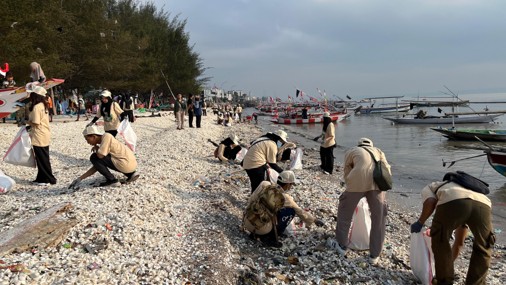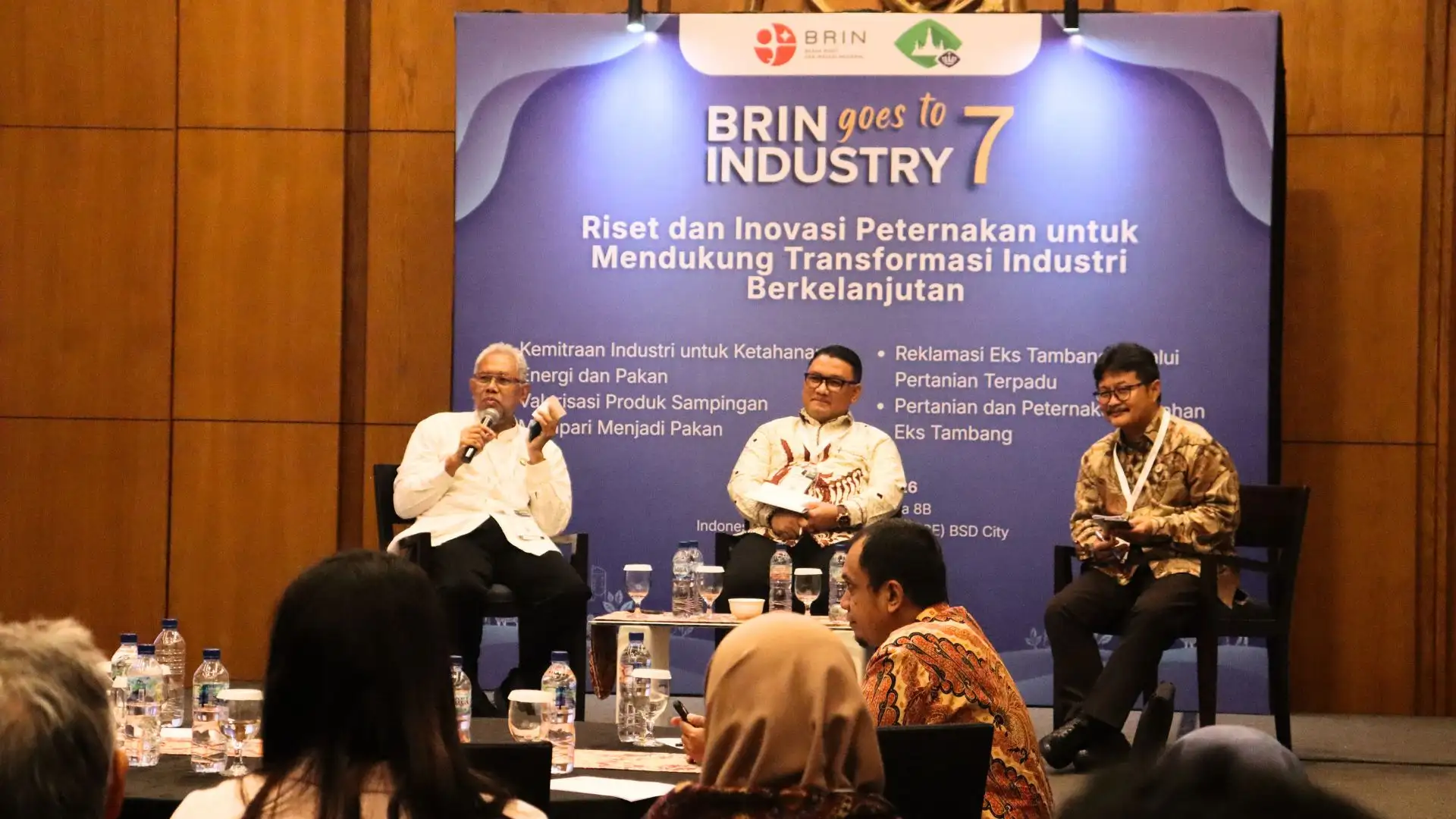


Enviro News Asia, Bekasi — The Environmental Science Study Program of the Department of Environmental Science, School of Sustainable Development Studies at Universitas Indonesia conducted a community service and empowerment program to educate families on waste management through urban waste banks in Bekasi, West Java.
The activity took place in Bojong Menteng Sub-district, Rawalumbu District, Bekasi City, on Sunday, October 2, 2025. The program focused on strengthening the role of families in managing household waste at the source, particularly through participation in waste bank initiatives.
The program addressed growing waste management challenges in Bekasi, where rapid population growth has outpaced existing waste handling capacity. Organizers emphasized that family-based waste sorting and processing at the household level can significantly reduce waste volumes while generating economic value through waste banks.
The initiative formed part of Universitas Indonesia’s community service program under the Department of Environmental Science. It aimed to enhance family participation in waste management systems, reduce the accumulation of recyclable waste, and increase community involvement in urban waste banks.
Representative of the Universitas Indonesia academic community, Herdis Herdiansyah, said the program encouraged families to develop creativity and knowledge in utilizing waste. He explained that recyclable materials can gain new functions and economic value when processed properly, and that waste banks calculate the valuation of waste collected by each household.
The community empowerment program was implemented in collaboration with Bank Sampah Alamanda Sejahtera, one of the active waste bank initiatives in Bekasi. Chairperson Apriliawati said the program provided tangible benefits by raising awareness among community members. She expressed hope that residents would consistently sort waste at the source and deposit recyclable materials at local waste banks.
Head of Neighborhood Association RW 02 in Bojong Menteng, Dain Santoso, welcomed the activity and expressed appreciation for the program’s focus on family-level environmental awareness. He said the initiative helped families better understand different types of waste and maximize the potential of household waste.
Organizers noted that consistent waste sorting and processing at the source can reduce the volume of waste sent to final disposal sites while providing additional economic benefits for households. The program also aligns with the Sustainable Development Goals, particularly SDG 15 on Life on Land, which is interconnected with goals related to poverty reduction, food security, public health, and decent work.
Through regular collaborative programs, Universitas Indonesia reaffirmed its commitment to community engagement and environmental education. The activity received funding support from the School of Sustainable Development Studies of Universitas Indonesia. (*)