

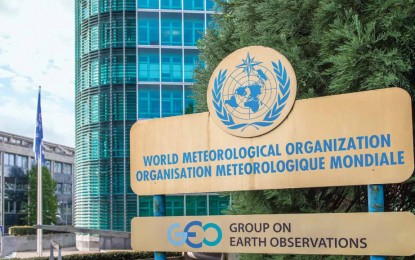
Enviro News Asia, Baku — The World Meteorological Organization (WMO) announced on Friday that El Niño conditions have developed in the tropical Pacific and are expected to strengthen rapidly over the coming months, increasing the likelihood of heatwaves, droughts, heavy rainfall, and other extreme weather events across many parts of the world.
According to WMO’s Global Seasonal Climate Update, a strong El Niño event is forecast to develop during the July–September 2026 period. Forecast models indicate significant warming of sea surface temperatures across the central and eastern equatorial Pacific, with anomalies expected to exceed 2°C in key monitoring regions. The organization said the high level of agreement among forecasting models provides strong confidence in the outlook.
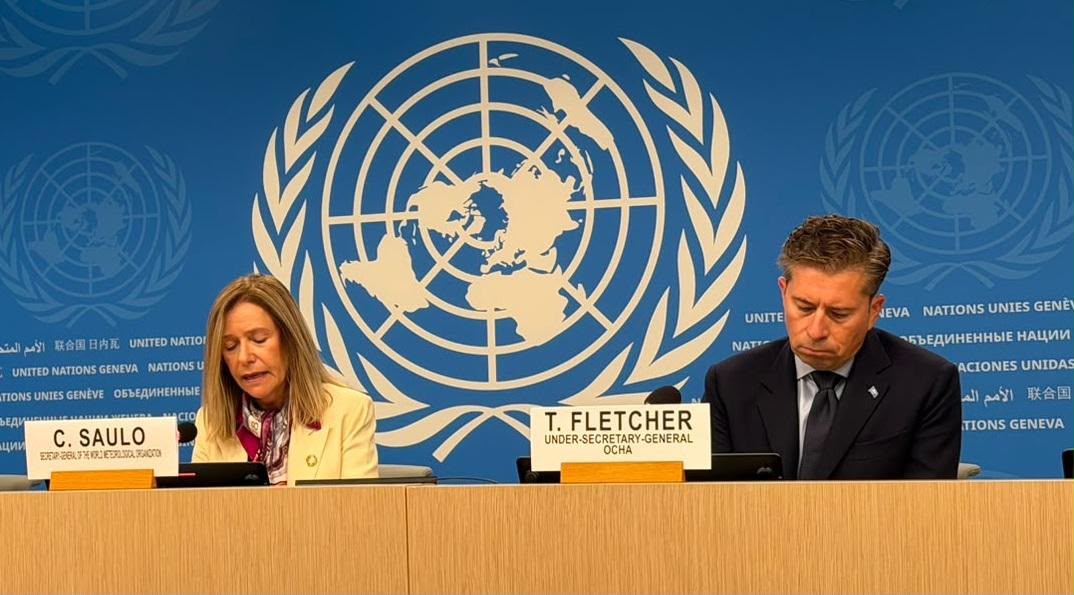
WMO Secretary-General Celeste Saulo said El Niño is already underway and is expected to intensify quickly, increasing the risks of drought, heavy rainfall, land heatwaves, and marine heatwaves in many regions. She said WMO has launched extensive coordination efforts across the United Nations system and regional partners to support governments, humanitarian organizations, and climate-sensitive sectors through seasonal forecasts and early warning services.
The report explained that El Niño is the warm phase of the El Niño–Southern Oscillation (ENSO), a naturally occurring climate pattern that influences global weather and climate variability. El Niño events generally occur every two to seven years, usually lasting between nine and twelve months, with peak intensity typically occurring between November and February.
WMO emphasized that the impacts of El Niño differ depending on its strength, duration, timing, and interaction with other climate systems such as the Indian Ocean Dipole. The organization also clarified that the term “super El Niño” is not part of its official operational classification.
The seasonal outlook projects above-average temperatures across most populated land areas between 60°S and 60°N. Ocean temperatures are also expected to remain above normal across much of the equatorial Pacific, the Indian Ocean, and the tropical Atlantic.
For rainfall, WMO forecasts wetter-than-average conditions across the central and eastern equatorial Pacific, parts of the Gulf of Guinea, southern Europe, and portions of the southwestern United States. Meanwhile, below-normal rainfall is expected across parts of the tropical Indian Ocean, the Indian subcontinent, Australia, the Greater Horn of Africa, Central America, the Caribbean, and northwestern South America.
To help reduce potential impacts, WMO said it is strengthening coordination with UN agencies, humanitarian organizations, and regional climate centers by expanding seasonal climate outlooks, technical exchanges, and early warning services to improve preparedness and climate resilience. (*)