Enviro News Asia, Washington — The World Bank approved the Regional Electricity Market Interconnectivity and Trade (REMIT) Program on January 22, 2026, to establish Central Asia’s first regional electricity market and strengthen energy security across the region. The program will run over a 10-year period in three phases and aims to expand cross-border electricity trade, increase transmission capacity, and enable large-scale integration of renewable energy.
The REMIT Program will be implemented across Central Asian countries, with the first phase involving the Kyrgyz Republic, Tajikistan, Uzbekistan, and the Central Asian Countries’ Coordinating Dispatch Center (CDC) Energia. The World Bank will provide total financing of USD 143.2 million for the initial phase, consisting of USD 140 million in concessional financing from the International Development Association (IDA) and USD 3.2 million in grants from the Central Asia Water and Energy Program (CAWEP).
The initiative responds to rapidly growing electricity demand in Central Asia, which is projected to triple by 2050 as populations grow, urbanization accelerates, and industrial activity expands. Despite abundant energy resources, electricity trade currently accounts for only about three percent of total demand, while variable renewable energy contributes just four percent of power generation.
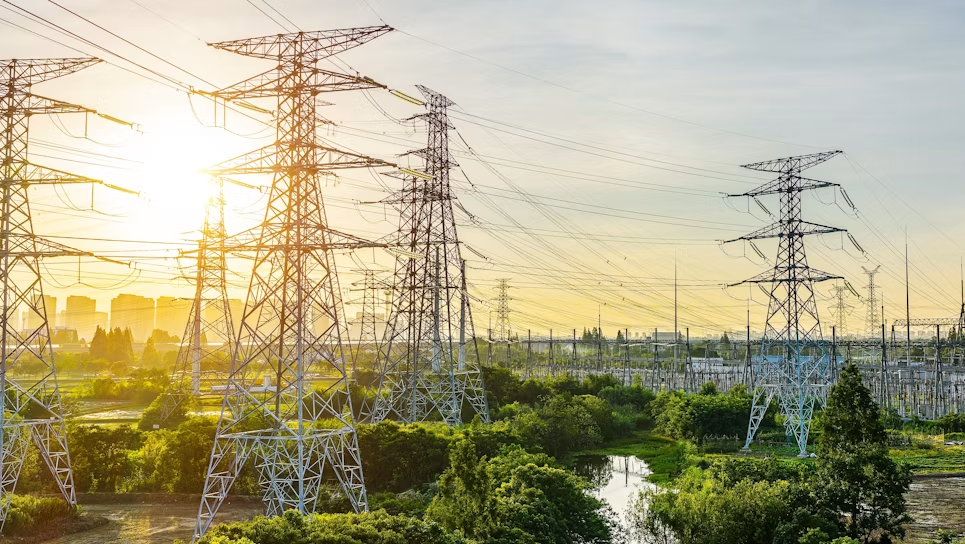
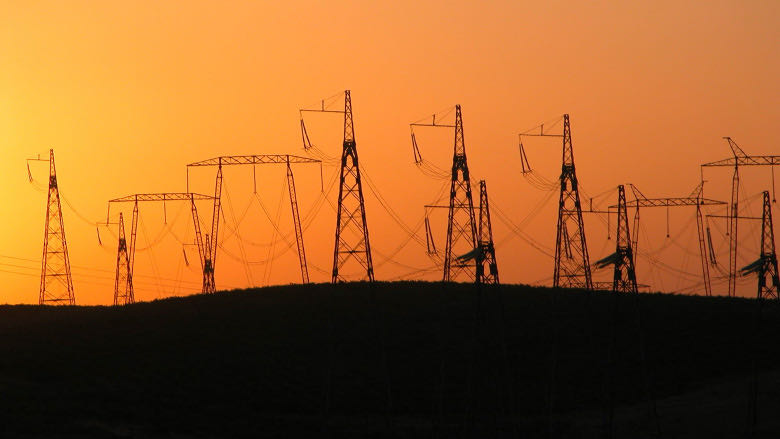
Through the REMIT Program, countries will optimize their complementary energy resources, including hydropower in the Kyrgyz Republic and Tajikistan, thermal power in Kazakhstan, Turkmenistan, and Uzbekistan, and expanding solar and wind potential across the region. Over the next decade, the program aims to increase electricity trade to at least 15,000 GWh annually, more than triple transmission capacity to 16 GW, and enable up to 9 GW of clean energy generation.
The World Bank stated that stronger regional integration will improve grid reliability, reduce power outages, lower energy costs for households and businesses, and support economic growth. The program is also expected to generate construction-related employment and create skilled jobs to operate and manage the regional electricity market.
World Bank Regional Director for Central Asia Najy Benhassine said the initiative would deepen regional energy cooperation and improve access to affordable and reliable electricity while supporting clean energy deployment and job creation. By 2050, enhanced electricity connectivity and trade could generate up to USD 15 billion in economic benefits for the region.
The total indicative financing for the REMIT Program across all phases is estimated at USD 1.018 billion. Future phases will focus on expanding the market platform, reinforcing and digitalizing regional transmission networks, and strengthening institutional coordination. CDC Energia will implement the market and institutional components, while national transmission companies will carry out grid investments under the oversight of a Regional Steering Committee. (*)