Enviro News Asia, Bogor – The Ministry of Environment/Environmental Control Agency (KLH/BPLH) has reaffirmed its commitment to strengthening oversight and governance of hazardous and toxic waste (B3) management in Indonesia. The move follows continued indications of improper handling and transportation of B3 waste by some business operators and transporters.
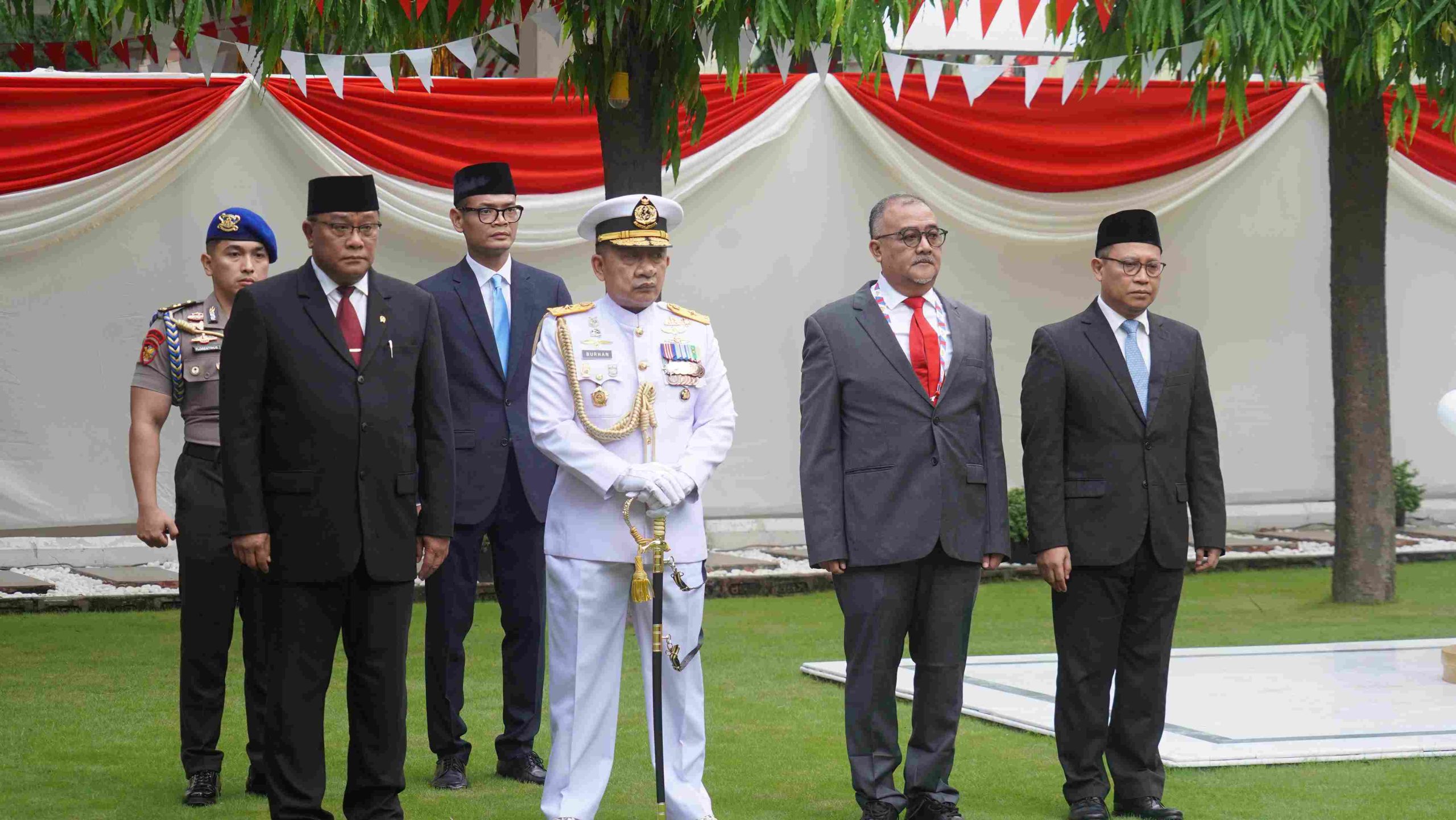
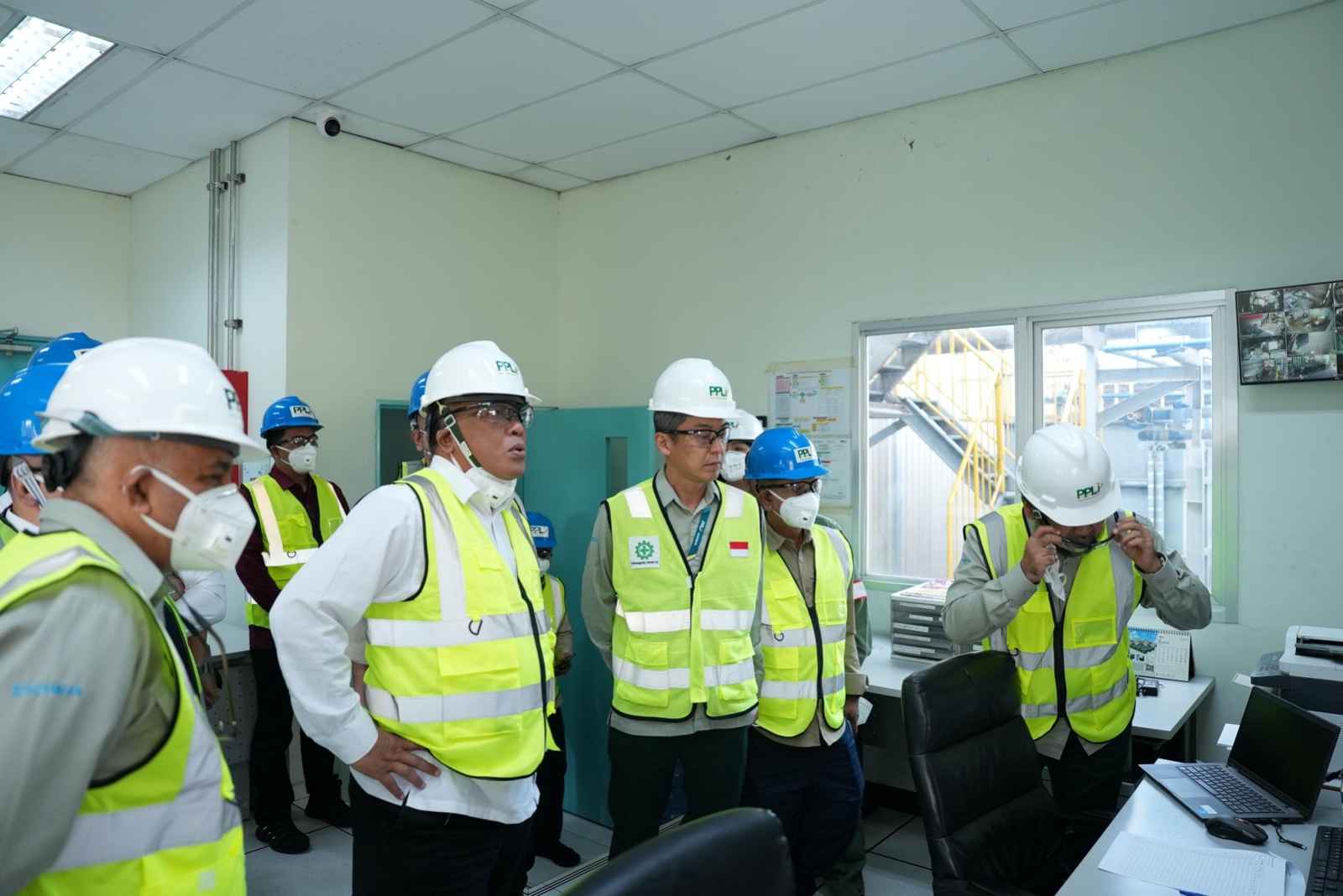
The policy was emphasized by Minister of Environment and Head of BPLH Moh Jumhur Hidayat during a visit to the integrated hazardous waste management facility operated by PT Prasadha Pamunah Limbah Industri (PPLI) in Nambo, Bogor, on August 13, 2026.
Jumhur stressed that economic activities must comply with environmental regulations and must not compromise public health and safety.
“Businesses are welcome, but they must ensure that their operations do not damage the environment or endanger the public. The health and safety of the people must come above everything else,” Jumhur said.
As part of the regulatory strengthening measures, KLH/BPLH plans to introduce a more stringent system for calculating and monitoring B3 waste balances. Under the proposed system, the amount of waste generated at its source must correspond accurately with the amount received by the final authorized waste treatment facility.
The government is also preparing regulations aimed at closing potential gaps in the transportation chain. Companies generating B3 waste would be required to establish contracts directly with licensed B3 waste management companies rather than contracting directly with transporters.
Transporters would remain permitted to operate provided they meet strict requirements for transportation vehicles. However, the primary responsibility for treatment and disposal would remain with licensed waste management companies. The measure is intended to reduce the risk of illegal dumping during transportation.
KLH/BPLH is also considering the establishment of minimum and maximum price ranges for B3 waste transportation and treatment services. The policy is intended to prevent unhealthy business competition and discourage prices that fall below scientifically appropriate standards, which could create incentives for improper waste disposal.
During the visit, Jumhur also highlighted the history of PPLI, which was established by the Indonesian Government in cooperation with Japan in 1993–1994 as part of the country’s follow-up to the 1989 Basel Convention.
According to Jumhur, PPLI has become an important benchmark for industrial waste management in Indonesia and demonstrates the importance of responsible hazardous waste governance in maintaining the country’s environmental standards internationally.
PPLI President Director Takanobu Tachikawa welcomed the minister’s visit and reaffirmed the company’s commitment to strengthening cooperation with the government.
“We believe that hazardous waste management is not simply about treating waste. Every flow of waste must be traceable from upstream to downstream and remain accountable through the final stage of management,” Tachikawa said.
KLH/BPLH said it would continue strengthening regulatory instruments and field supervision to ensure that B3 waste management activities across Indonesia are conducted safely, in compliance with regulations, and with maximum protection for the environment and public health. (*)