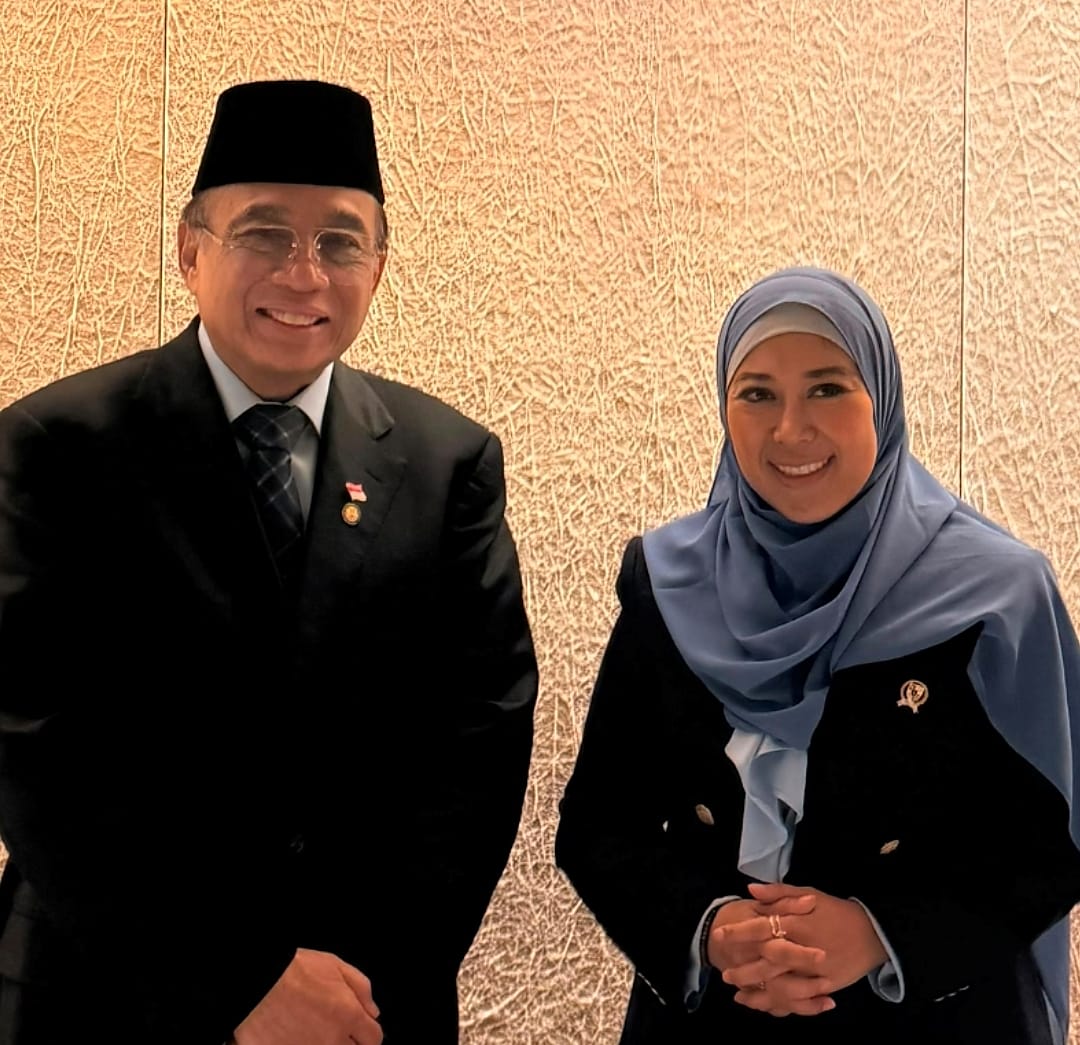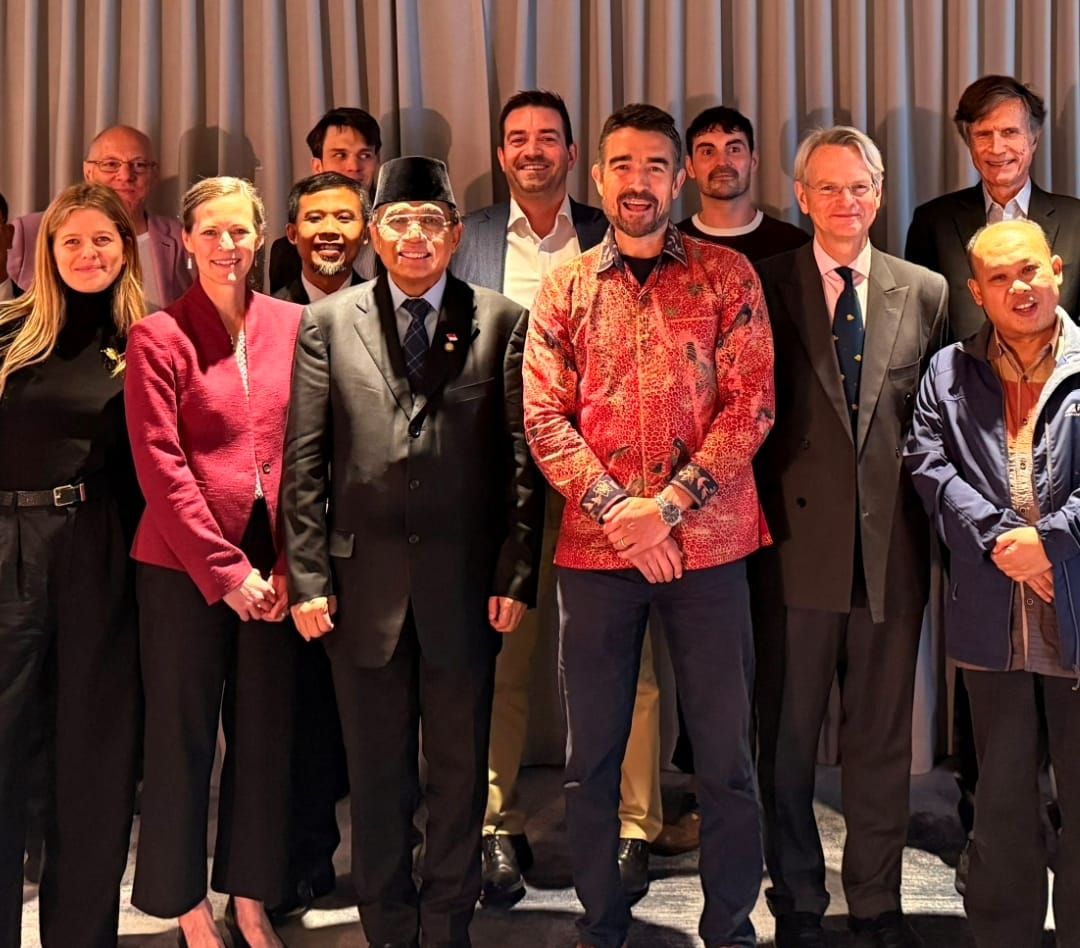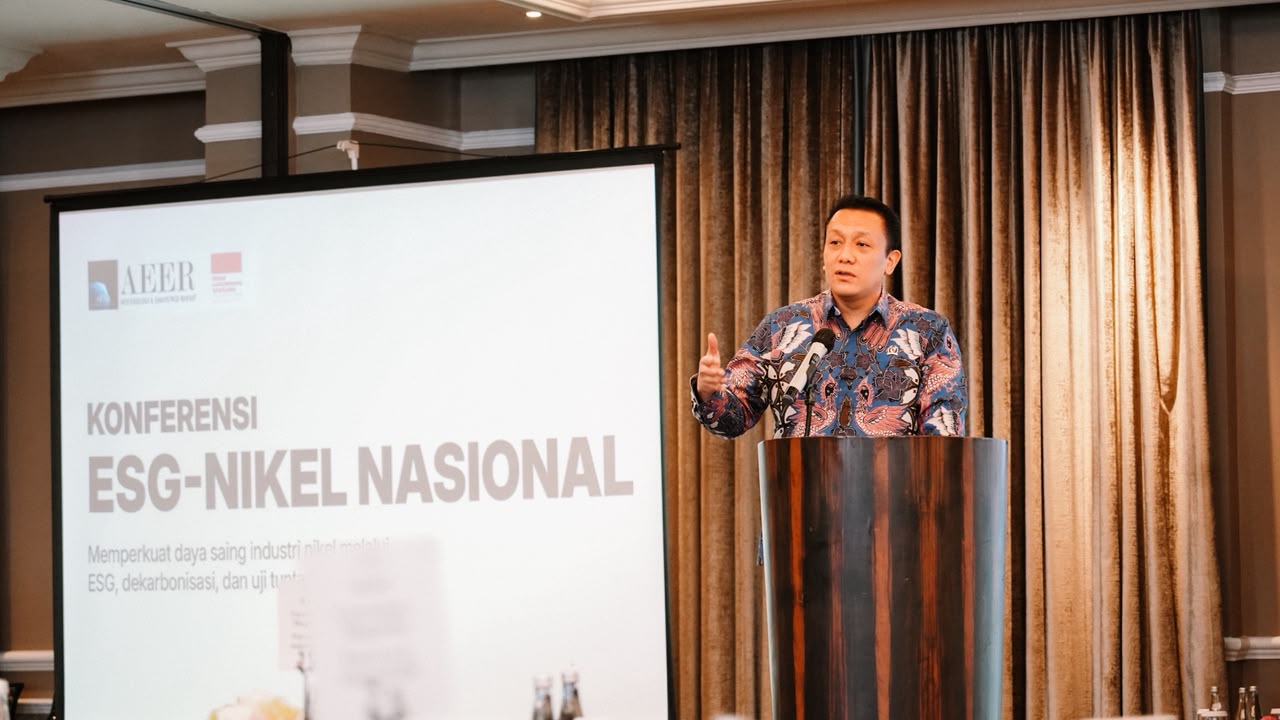
Enviro News Asia, Jakarta — Carbon trading could provide an economic incentive for Indonesia’s nickel industry to accelerate decarbonization while helping reduce greenhouse gas emissions, according to Deputy Environment Minister and Deputy Head of the Environmental Control Agency (KLH/BPLH) Diaz Hendropriyono.
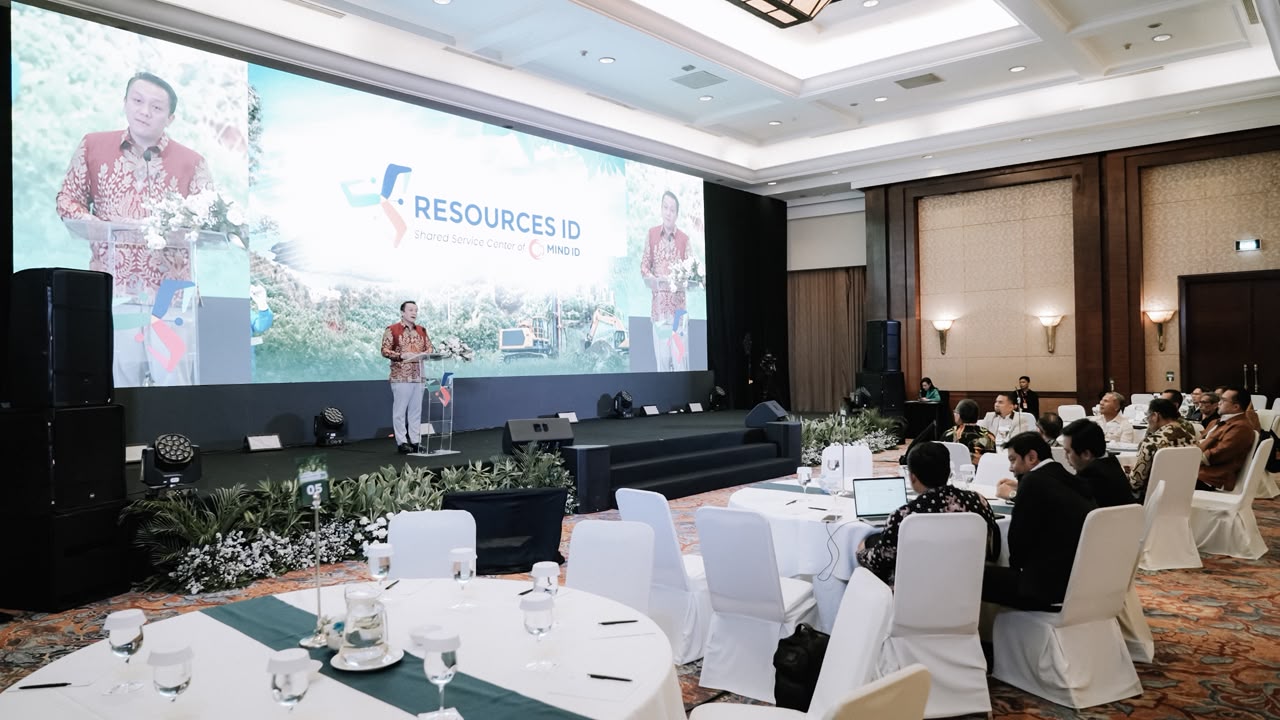
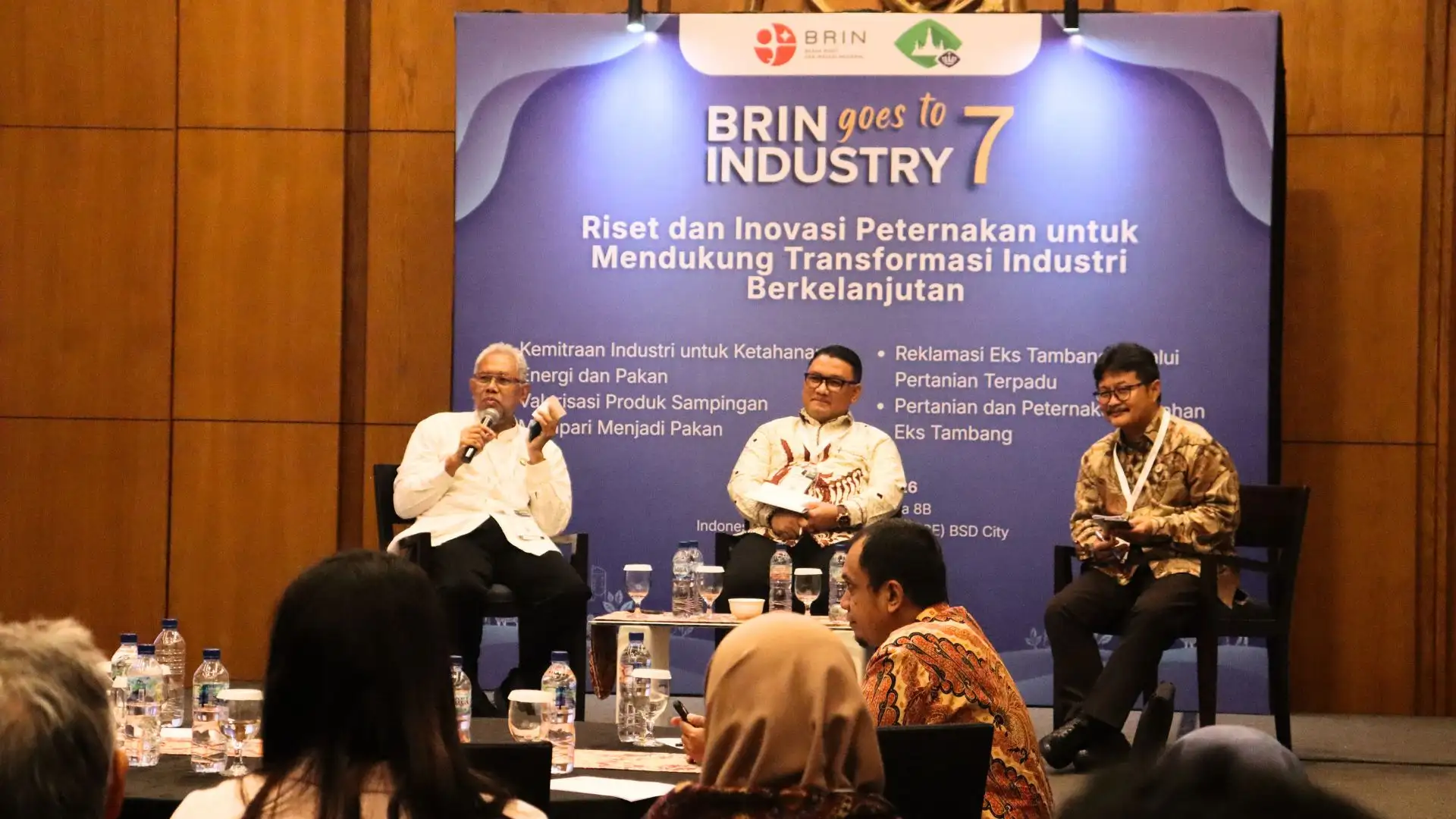
Diaz made the statement at the national conference “Strengthening Nickel Industry Competitiveness through ESG, Decarbonization, and Business and Human Rights Due Diligence,” organized by the environmental organization Aksi Ekologi dan Emansipasi Rakyat (AEER) in Jakarta on September 9, 2026.
He said a carbon trading mechanism could encourage companies to keep their emissions below government-established limits and create financial benefits for businesses that outperform their emission targets.
“Carbon trading can provide an incentive for the nickel industry to decarbonize. If a company exceeds its permitted emissions, it would need to purchase carbon from the market. Companies that remain below the limit could gain an incentive by selling carbon,” Diaz said.
The government has established an Emissions Trading System (ETS) based on a cap-and-trade mechanism to control greenhouse gas emissions and reduce pollution.
According to Diaz, the ETS is currently applied to coal-fired power plants, while the government is working to expand the mechanism to other sectors.
He said sectors that could be covered in the future include biomass-fired power plants, oil-fired power plants, geothermal power generation, cement manufacturing and nickel processing.
Under a cap-and-trade system, the government establishes an emissions limit, while companies can trade carbon units according to their emissions performance.
“We need to encourage this system so that decarbonization can take place. The government or the Ministry of Energy and Mineral Resources determines the emissions limit, and companies can then trade carbon,” Diaz said.
KLH/BPLH has also prepared the regulatory and registry infrastructure needed to support carbon trading.
Diaz said the Carbon Unit Registry System (SRUK) has been launched and that the government has established the regulatory framework needed to support carbon market operations.
“From KLH’s side, carbon trading has a system called SRUK. The carbon trading system has been launched. In terms of the system and regulations, we are ready,” he said.
The government expects the framework to support greater decarbonization across the nickel industry, particularly because processing laterite nickel can generate significant carbon dioxide emissions.
Reducing emissions from nickel processing could therefore contribute to Indonesia’s broader efforts to cut greenhouse gas emissions and limit the climate impacts associated with rising concentrations of greenhouse gases in the atmosphere.
The government’s push comes as Indonesia seeks to balance the expansion of its nickel-based industrial sector with stronger environmental performance, emissions management and long-term climate commitments. (*)