Enviro News Asia, Antalya — Indonesia has signed its first cooperation agreement under Article 6.2 of the Paris Agreement, targeting emissions reductions of up to 12 million tonnes of carbon dioxide equivalent (CO₂e) by 2038 through floating solar power plants equipped with battery storage.
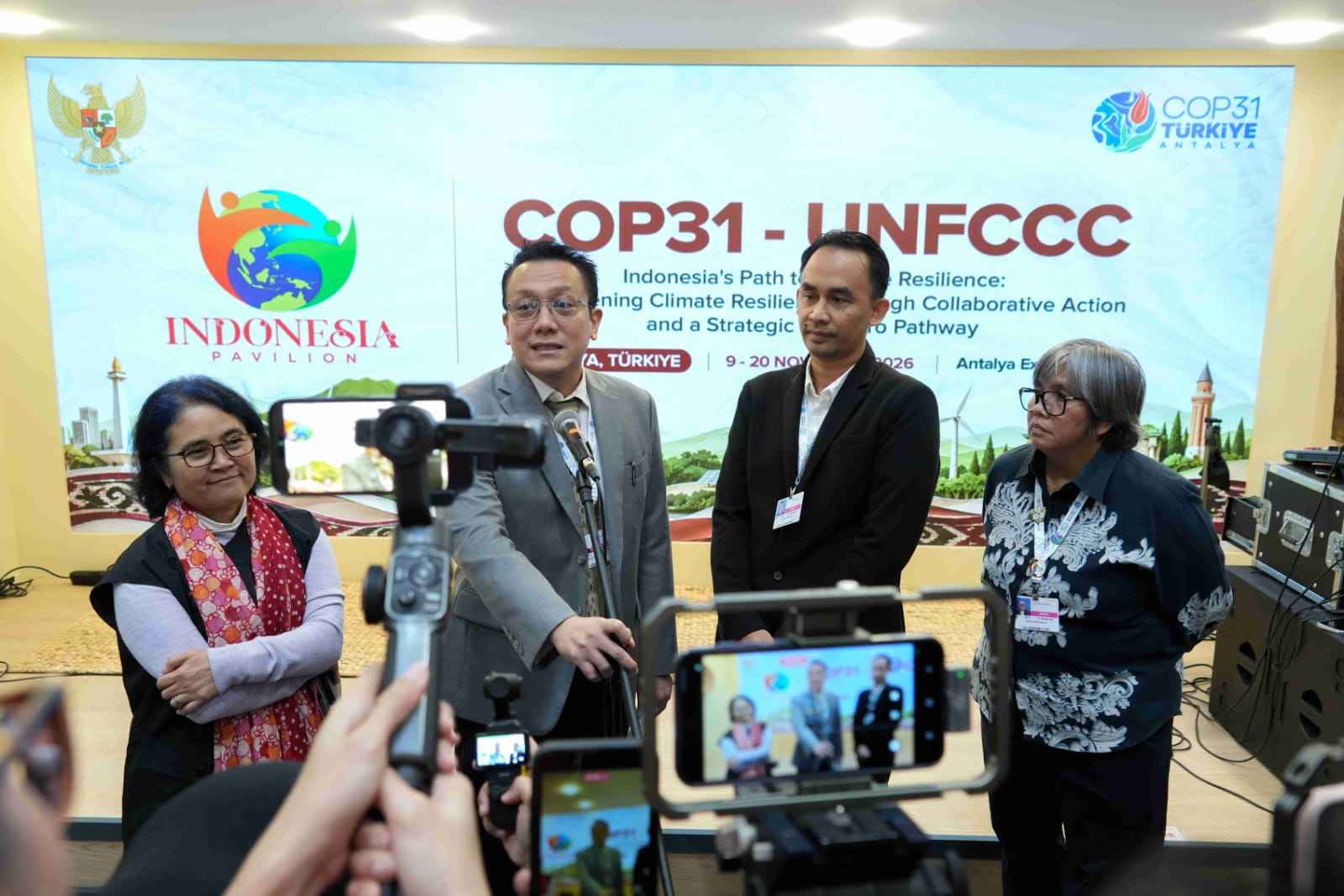
The agreement between state-owned electricity company PT PLN (Persero) and the Global Green Growth Institute (GGGI), which manages the Norwegian Article 6 Climate Action Fund, was among seven cooperation outcomes announced at the close of the Carbon Connection Session (CarbonNex) at the Indonesian Pavilion during the 31st United Nations Climate Change Conference (COP31) in Antalya, Türkiye, on Nov. 19.
The 10-day forum, organised by the Ministry of Environment and the Environmental Control Agency (KLH/BPLH), ran from Nov. 10 and brought together 17 Indonesian project developers, international partners, financial institutions and investors. It aimed to connect domestic carbon projects with global markets and financing opportunities while promoting the integrity of Indonesian carbon credits.
The event continued a similar initiative held during COP30 in Belém, Brazil. In Antalya, CarbonNex facilitated new partnerships through the Indonesia Climate and Carbon Partnership (ICCP), three agreements signed at the Indonesian Pavilion and presentations of 30 climate action projects to prospective partners and investors.
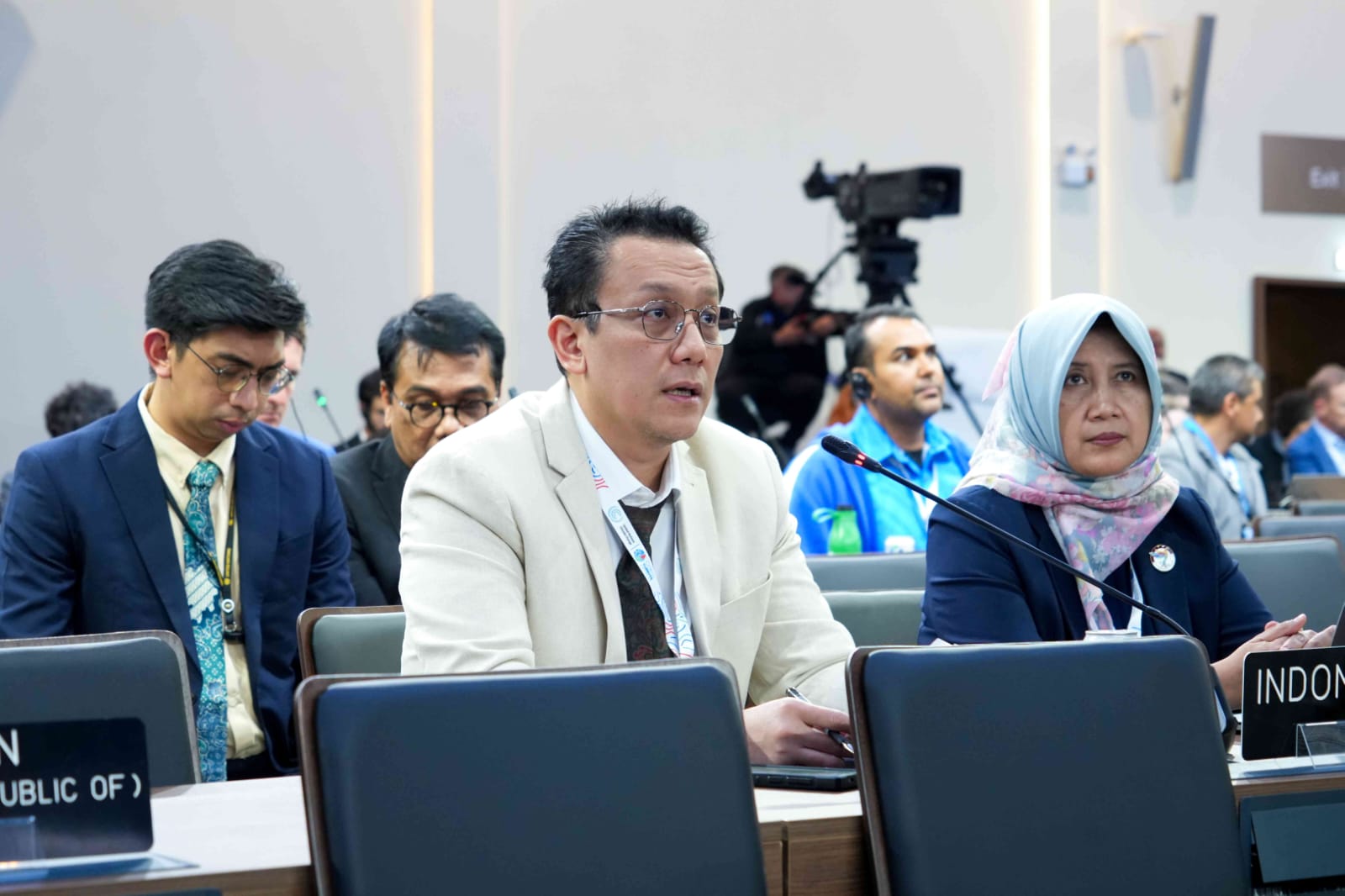
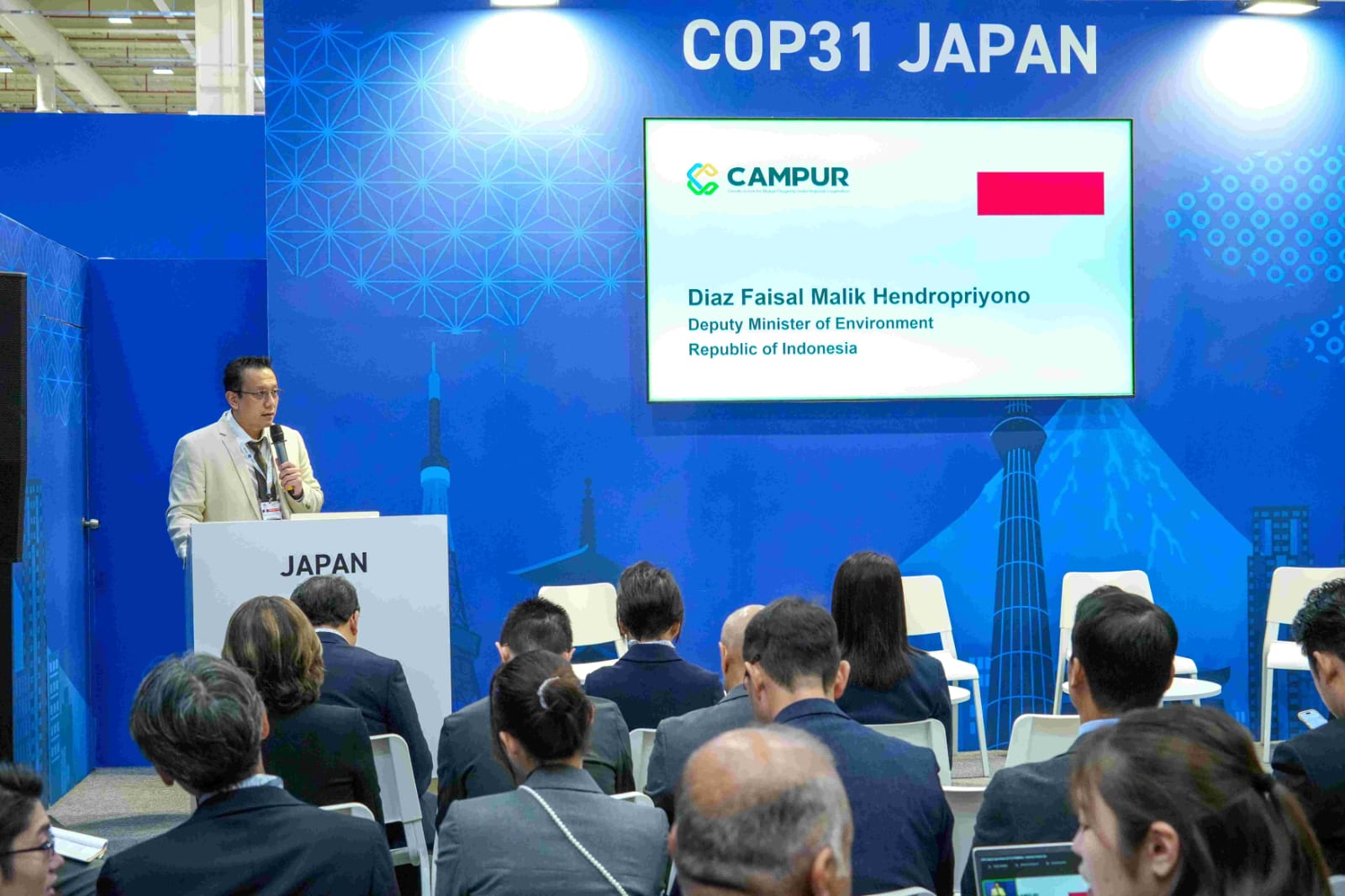
Deputy Environment Minister and Deputy Head of KLH/BPLH Diaz Hendropriyono said Indonesia wanted to establish itself as a global supplier of high-quality carbon credits backed by market confidence and legal certainty.
“We want to become a market with integrity. With integrity, Indonesia can become a dominant player in global carbon trading because we have forests, mangroves and projects, and now we have reliable regulations,” Diaz said.
The seven cooperation outcomes included three agreements signed directly at the Indonesian Pavilion. Besides the PLN-GGGI agreement, state-owned energy company Pertamina and Inhutani agreed to cooperate on the conservation of the Rangkong Basaken forest, while state-owned gas company PGN and Unilever signed an agreement to develop biomethane.
In the electricity sector, PLN mobilised US$2.94 billion in energy transition financing, including US$1.1 billion through the Just Energy Transition Partnership (JETP). The company also signed power purchase agreements and letters of intent covering around 330 megawatts of hydropower, solar and wind projects.
Further investment opportunities emerged through the Carbon Project Pitching sessions, where 17 developers presented 30 climate action projects across forestry, energy, agriculture and waste management. Six projects focused on blue carbon, including four presented by the Ministry of Marine Affairs and Fisheries.
KLH/BPLH launched the ICCP on Nov. 10 to connect Indonesia’s national priorities with international expertise, technology and financing. The platform offers eight Priority Support Packages covering areas such as industrial decarbonisation, carbon registry development and assistance with implementing Article 6 of the Paris Agreement.
By the forum’s conclusion, eight international partners had presented their proposed support. KLH/BPLH also held 10 bilateral meetings with organisations including Rubicon, WWF, BeZero Carbon and GenZero. Four prospective partners expressed interest in developing pilot projects in the waste management sector.
Haryo Pambudi, director of carbon economic value governance at KLH/BPLH, said the ICCP would help expand international cooperation under Article 6.2. Indonesia already has cooperation arrangements with Norway, Japan, South Korea and Singapore, he added.
Several international partners are still preparing cooperation proposals through the platform. The government plans to coordinate their support with relevant ministries, agencies and sectors in 2027 to advance implementation, Haryo said.
Diaz said international confidence in Indonesia’s carbon market depended on the legal status and verification of credits. He stressed that the market needed credits with proper authorisation and corresponding adjustments under the Paris Agreement to prevent double counting.
Over the past 18 months, Indonesia has developed a regulatory framework through Presidential Regulation No. 110 of 2025 and its implementing regulations. The Carbon Unit Registry System (SRUK), launched on July 9, 2026, requires every transaction to be recorded within two working days.
The government has also begun connecting the national registry with international systems, starting with Verra. The initiative forms part of broader efforts to improve global registry interoperability, strengthen traceability and prevent the double counting of emissions reductions.
Indonesia’s project pipeline includes 47 projects under the national certification scheme with the potential to reduce emissions by around 4.6 million tonnes of CO₂e annually. Five of these projects are ready to issue carbon credits. Another 86 energy-sector projects have the potential to deliver emissions reductions of up to 22 million tonnes of CO₂e.
Despite the progress, the government acknowledged that further work was needed. Public consultations on regulations governing authorisation and corresponding adjustments must be completed, while Indonesia also needs to establish a national roadmap for carbon market development.
Local governments require greater understanding of carbon economic value mechanisms so that regional initiatives can access potential benefits. One example is a proposed 300-hectare mangrove planting initiative at the district level.
The government plans to consolidate partnerships and support mobilised through the ICCP across ministries, agencies and relevant sectors in 2027. The effort is intended to accelerate Indonesia’s emissions reduction targets under its Enhanced Nationally Determined Contribution and Second Nationally Determined Contribution for 2031–2035.
Diaz urged project developers to register their initiatives in the national registry and maintain strict data quality standards, warning that a poorly managed project could undermine buyers’ confidence in the wider market.
“One bad project is enough to make buyers question all the others,” he said. (*)