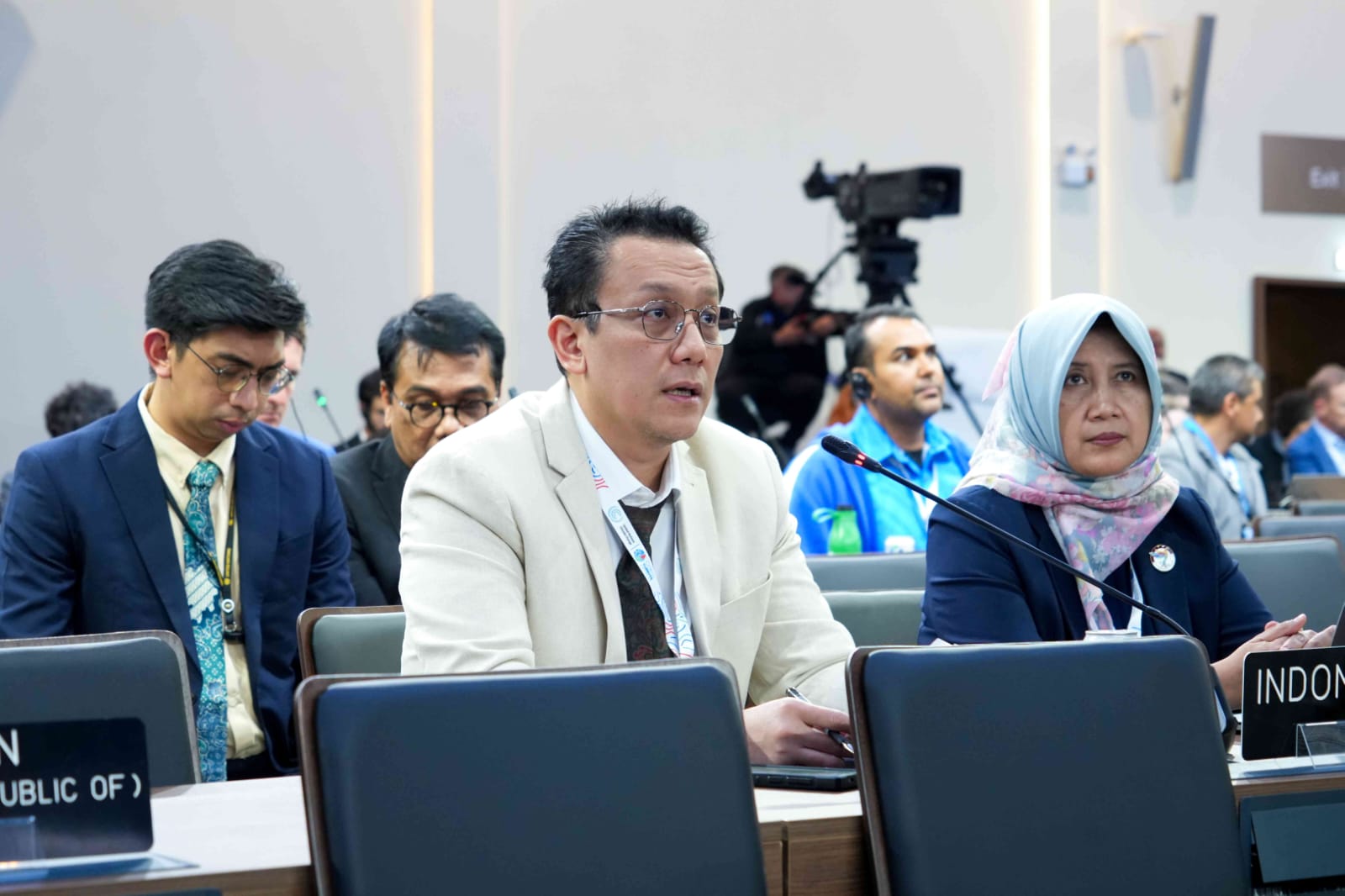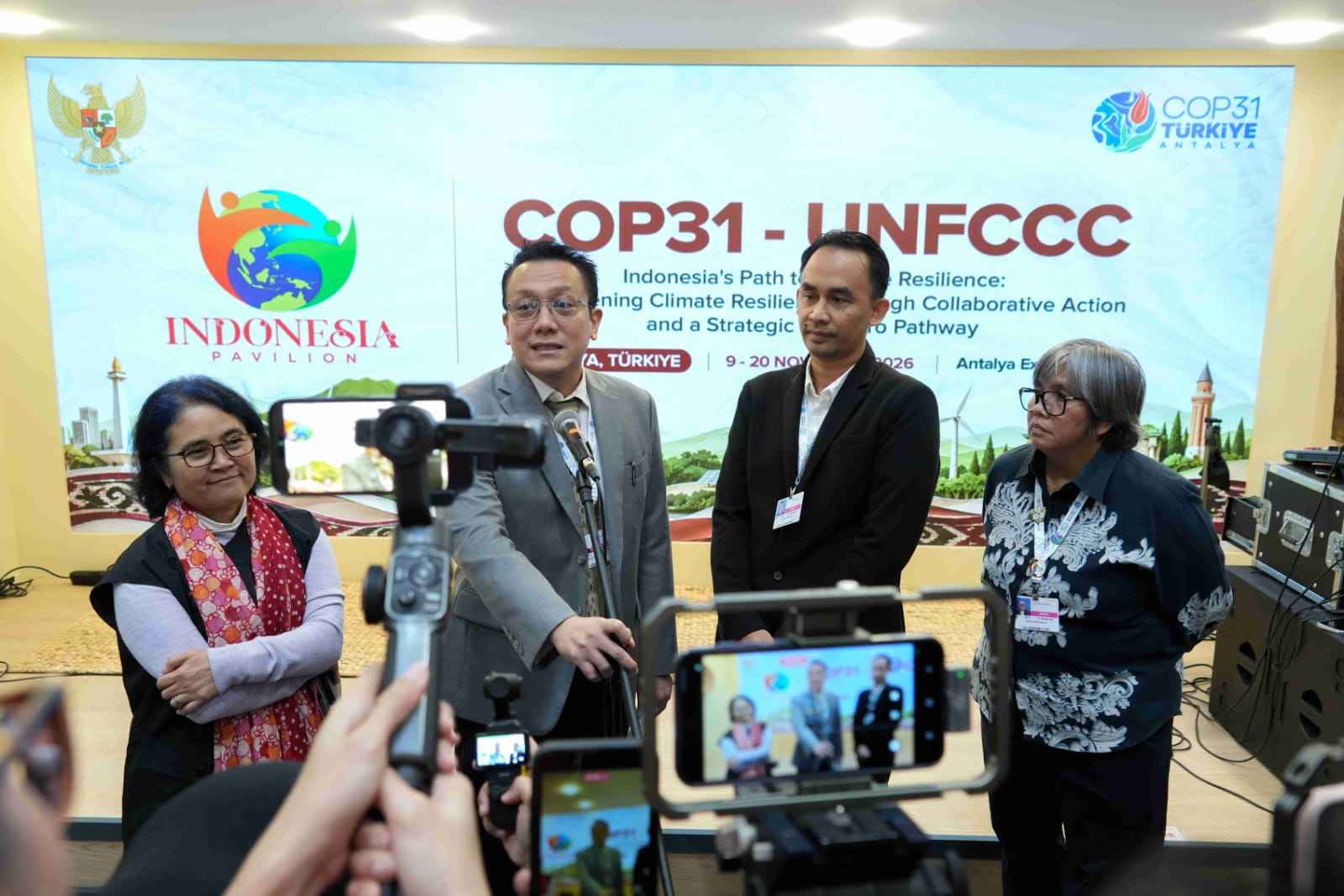
Enviro News Asia, Antalya — Indonesia’s pavilion at the 31st United Nations Climate Change Conference (COP31) attracted 3,651 participants from 166 countries and generated new carbon cooperation opportunities, including six expressions of interest in projects with potential emissions reductions of 158,800 tonnes of carbon dioxide equivalent (CO₂e).
The pavilion, managed by the Ministry of Environment and the Environmental Control Agency (KLH/BPLH), operated from Nov. 9 to 20 in Antalya, Türkiye. It concluded on Nov. 20 with seven cooperation outcomes and 13 bilateral meetings, according to the ministry.
Ary Sudijanto, deputy for climate change control and carbon economic value governance at KLH/BPLH, announced the results at the pavilion’s closing ceremony. He said the two-week programme had turned discussions into measurable opportunities for collaboration, stressing that climate progress should be judged by implementation rather than commitments alone.
“The time for simply making commitments is no longer enough. Real progress depends on our ability to translate ambition into action, and action into tangible results,” Ary said.
A major part of the pavilion’s business programme was the Carbon Connection Session (CarbonNex), held from Nov. 10 to 19. It brought together 30 potential carbon projects from 17 Indonesian developers with international partners and investors.
The sessions also facilitated discussions with eight partners through the Indonesia Climate and Carbon Partnership (ICCP), a platform designed to connect Indonesia’s climate priorities with international expertise, technology and financing.
Alongside the six expressions of interest, which remain at the exploratory stage, CarbonNex recorded seven cooperation outcomes. Three agreements were signed directly at the Indonesian Pavilion. The programme also included 13 bilateral meetings, comprising 10 under the ICCP framework and three follow-up discussions on carbon projects.
Ary said the strong interest from international partners reflected growing confidence in the integrity of Indonesia’s carbon economic value governance. KLH/BPLH will follow up on the expressions of interest and bilateral discussions to move prospective partnerships towards implementation.
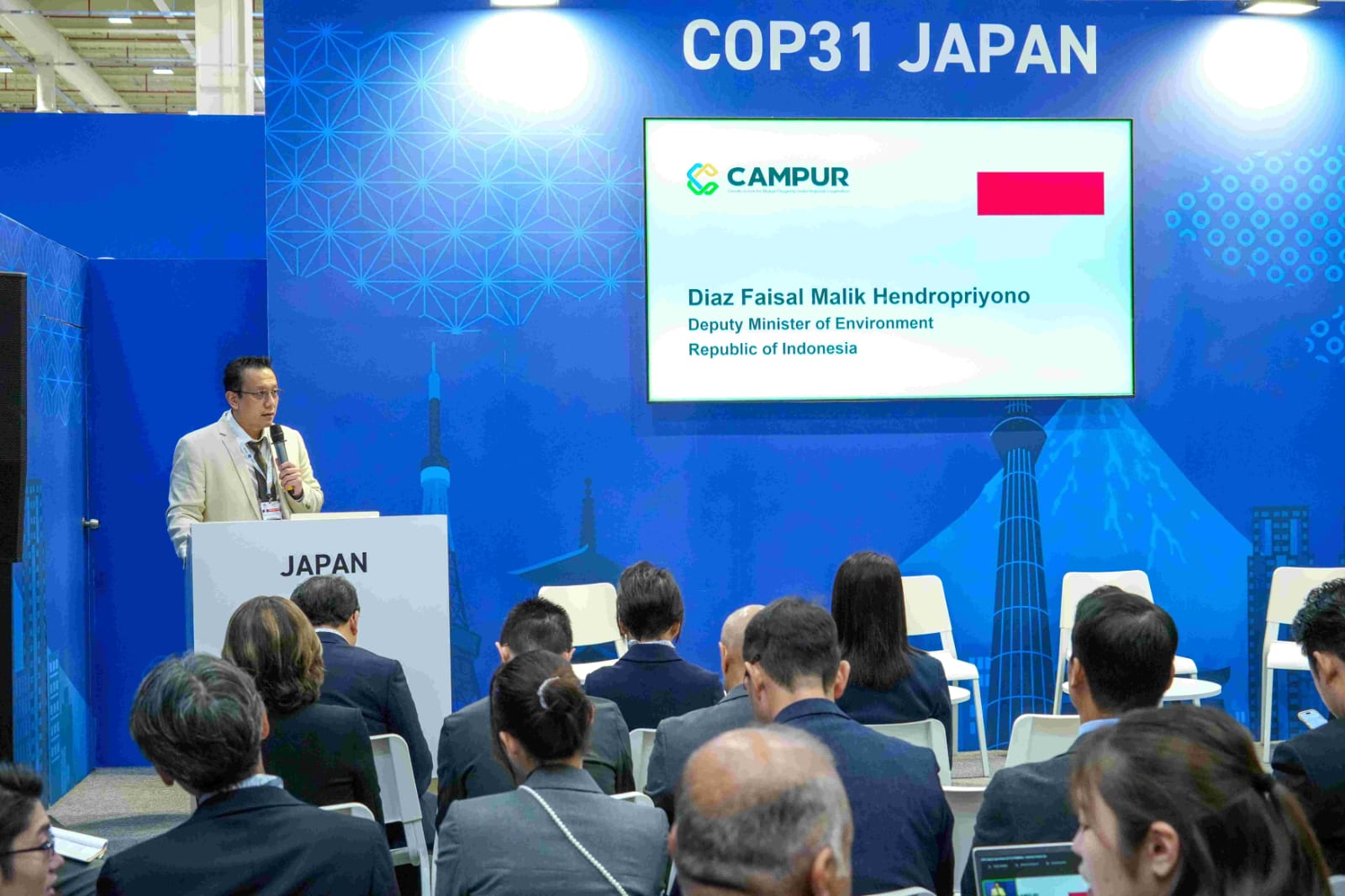
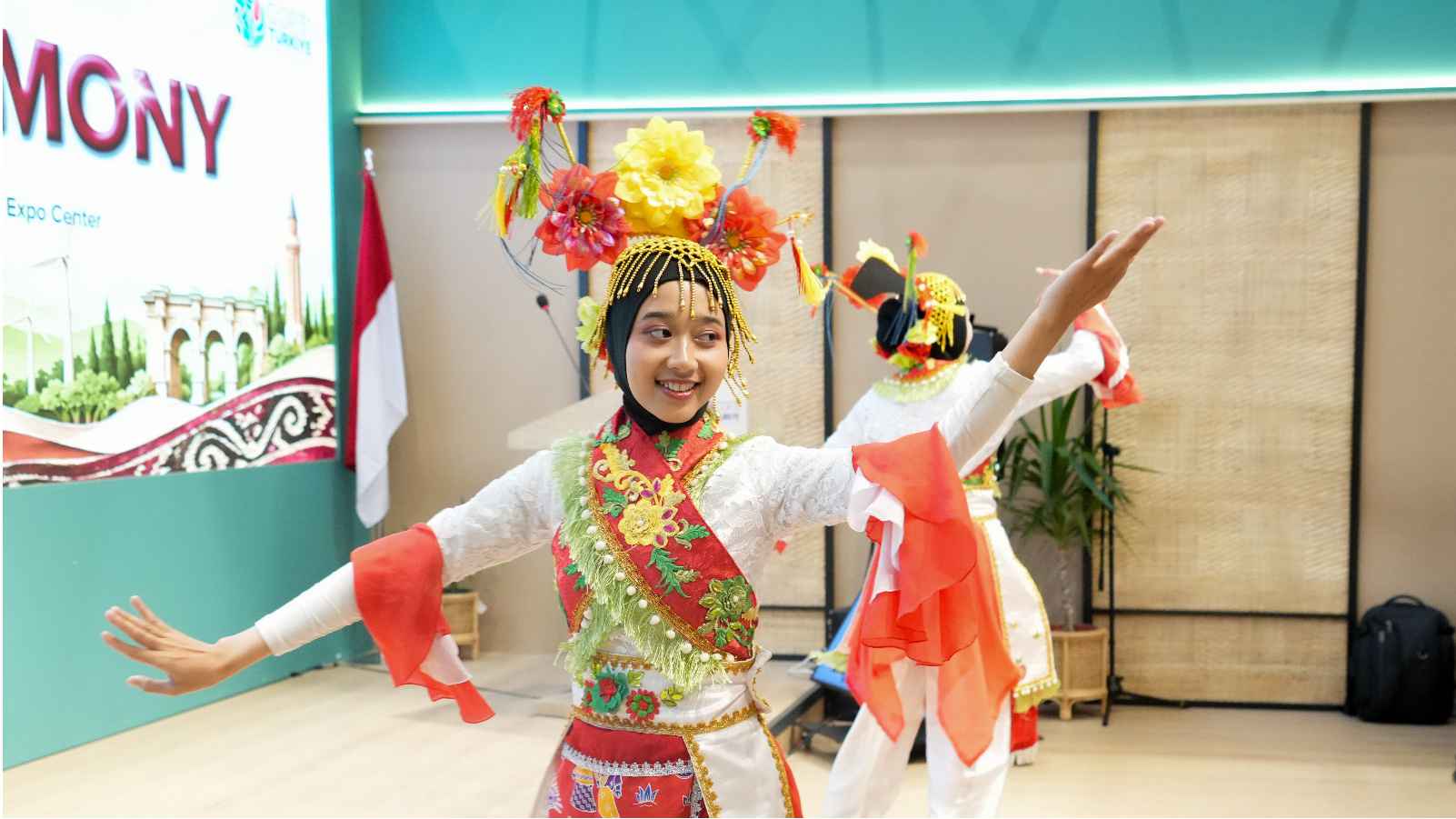
Beyond business cooperation, the pavilion served as a platform for climate diplomacy and international dialogue. It hosted 62 discussion sessions featuring 370 speakers from different countries, with women accounting for 43 percent of the speakers.
During its operation, the pavilion recorded 15,673 in-person visits by participants from 166 countries. Its YouTube livestreams also attracted 18,146 views.
Ary described the pavilion as more than a venue for discussion, saying it had provided space for exchanging ideas, strengthening partnerships and exploring opportunities for a more sustainable and climate-resilient future.
The programme brought together government representatives, businesses, academics, community groups, civil society organisations and international partners, reflecting the need for cross-sector cooperation in addressing climate change.
Indonesia’s climate direction is outlined in its Second Nationally Determined Contribution (Second NDC), which sets a target of achieving net-zero emissions by 2060 or earlier. The forestry and land-use sector is also expected to become a net carbon sink by 2030.
The ministry said it had incorporated environmental action into the pavilion programme by initiating the planting of more than 2,000 mangrove trees in Muara Angke, Jakarta. The initiative was intended to offset the carbon footprint associated with the Indonesian delegation’s travel from Jakarta to Antalya.
The government thanked Türkiye as the COP31 host and presidency, Australia in its role as President of Negotiations, as well as participating delegations, development partners and organisers.
Indonesia said it would carry the collaborative momentum from Antalya into preparations for COP32, scheduled to take place in Addis Ababa, Ethiopia. (*)