Enviro News Asia, Jakarta — Indonesia is integrating air quality monitoring data into the SatuSehat health platform as part of efforts to protect communities from the health impacts of forest and land fires.
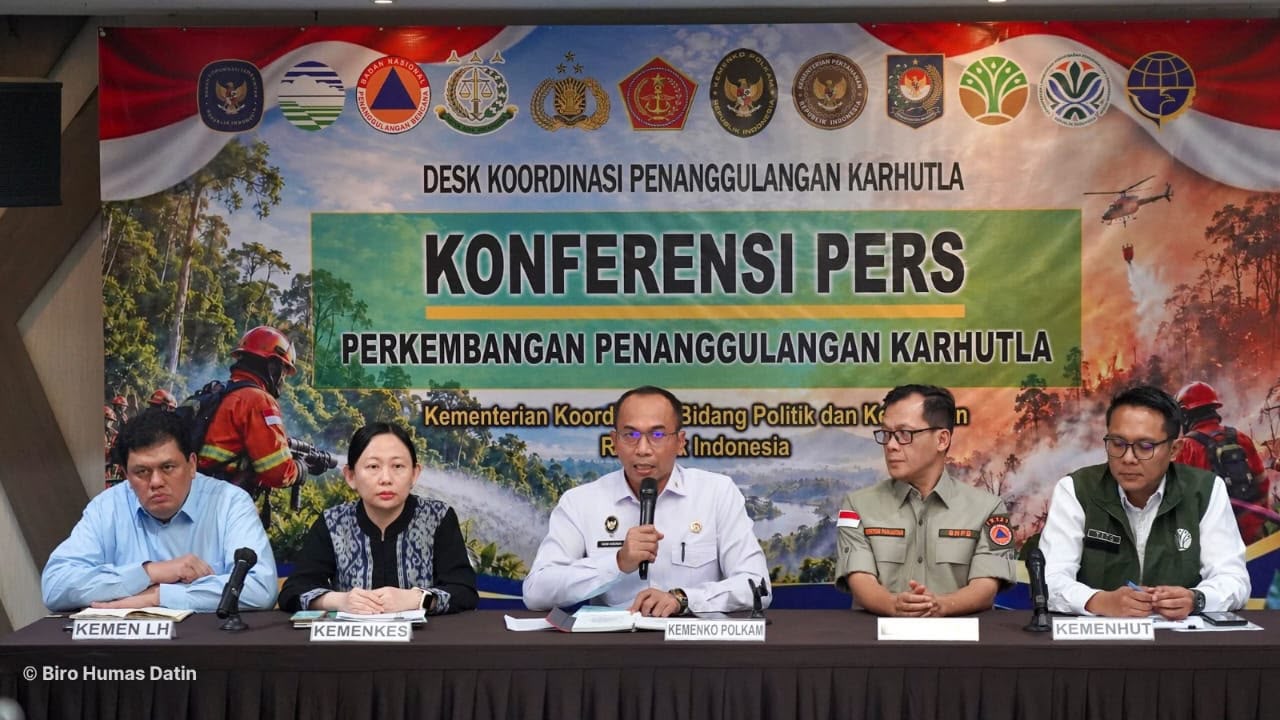
The Ministry of Environment and the Environmental Control Agency (KLH/BPLH) and the Ministry of Health announced the integration during a forest and land fire response press conference in Jakarta on September 22, 2026.
The initiative is intended to make air quality information more accessible and accurate, enabling people to adjust their daily activities according to local air conditions, particularly in areas experiencing unhealthy to hazardous air quality.
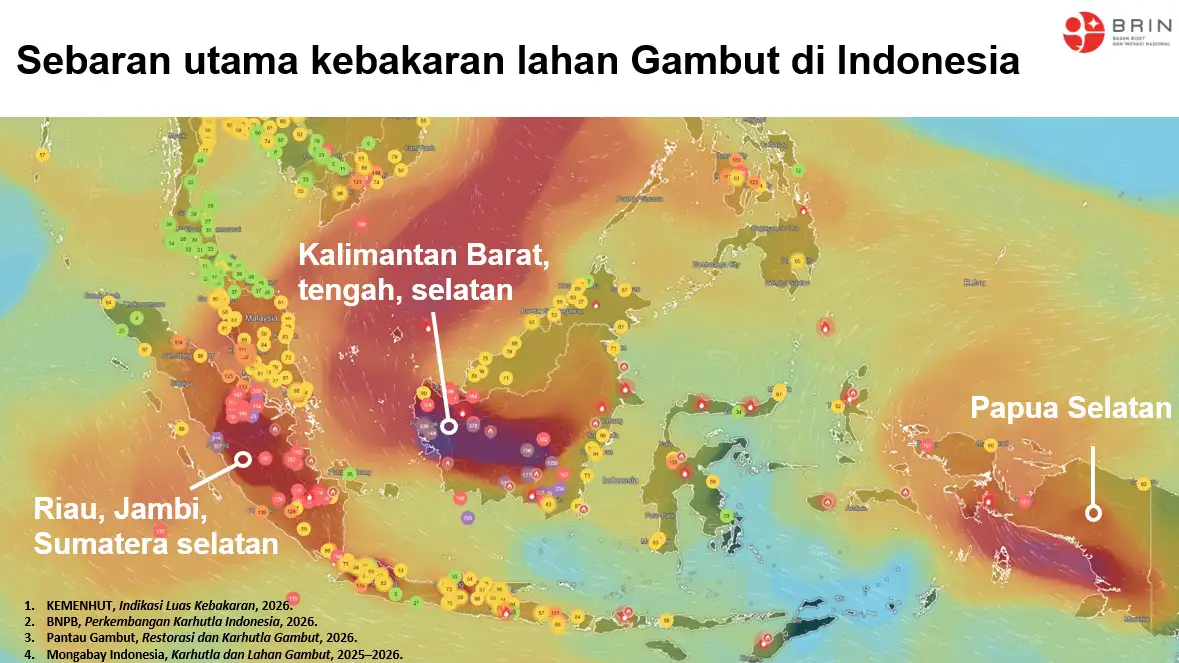
The policy responds to air quality conditions in several provinces, including Riau, Jambi, South Sumatra, West Kalimantan, Central Kalimantan, South Kalimantan and East Kalimantan.
Edward Nixon Pakpahan, Director of Air Quality Protection and Management at KLH/BPLH, said several areas require particular attention, with Central Kalimantan and South Kalimantan recording hazardous air quality conditions.
“Air quality in several provinces is currently in the unhealthy to hazardous categories. In particular, conditions in Central Kalimantan and South Kalimantan are being recorded as hazardous,” Nixon said.
The air quality classification follows Environment and Forestry Ministerial Regulation No. 14 of 2020 on the Air Pollutant Standard Index (ISPU), which divides air quality into five categories: Good, Moderate, Unhealthy, Very Unhealthy and Hazardous.
Under the Hazardous category, people are advised to avoid outdoor activities and spend more time indoors. When air quality reaches the Unhealthy category, particularly sensitive groups are advised to reduce exposure and adjust outdoor activities.
Residents can monitor air quality updates through the official ISPU website, which is updated every 30 minutes, as well as through the SatuSehat platform, which provides environmental and health information through a single access point.
The integration of KLH/BPLH air quality monitoring data with SatuSehat is designed to help people identify local air conditions and take appropriate preventive measures.
Then Suyanti, Director of Environmental Health at the Ministry of Health, encouraged residents to use the integrated system as part of their daily health precautions.
“We encourage the public to monitor air quality through the SatuSehat platform, which is now connected to the KLH monitoring system. If people experience symptoms such as shortness of breath, coughing or other health complaints, they should immediately seek care at the nearest health facility,” Suyanti said.
Through the cross-sector collaboration, the government aims to align forest and land fire response with environmental monitoring and public health protection, particularly as smoke and deteriorating air quality affect communities in fire-prone regions. (*)