
Enviro News Asia, New York — Indonesia has reaffirmed its commitment to translating global climate commitments into cross-sector action that combines economic growth, energy security, poverty reduction and environmental protection.
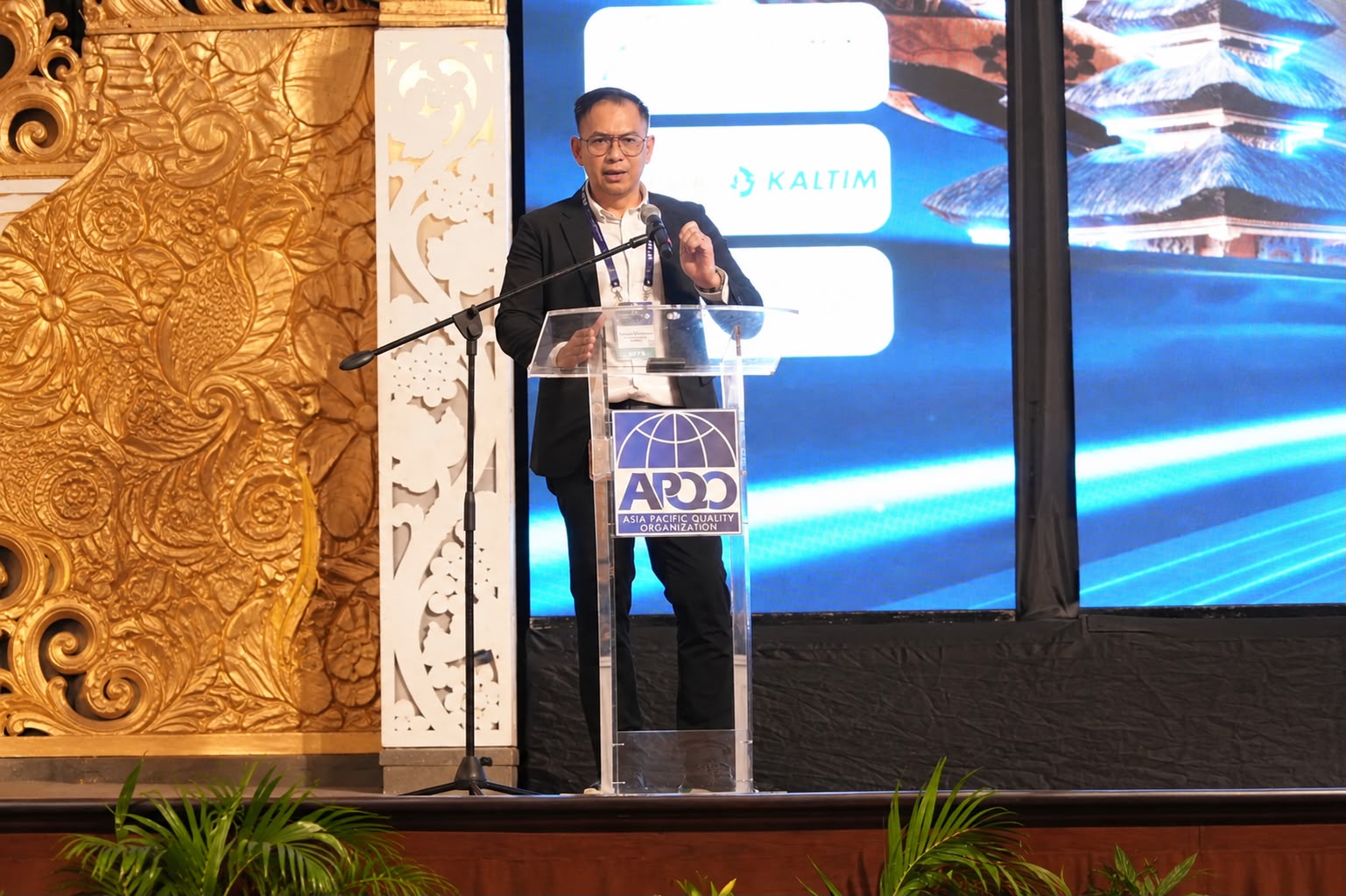
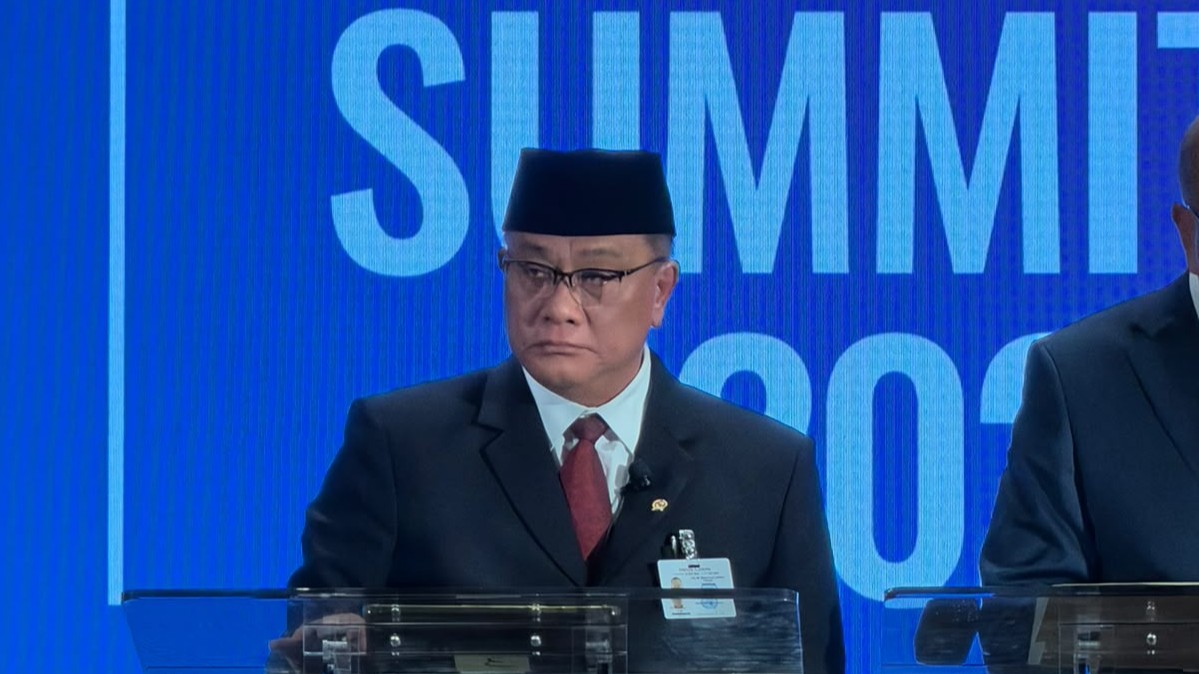
Minister of Environment and Head of the Environmental Control Agency (KLH/BPLH) Moh Jumhur Hidayat delivered the message during the Interactive Leaders Dialogue at the Climate Summit 2026 on Climate Action and the Just Transition at United Nations Headquarters in New York on September 23, 2026.
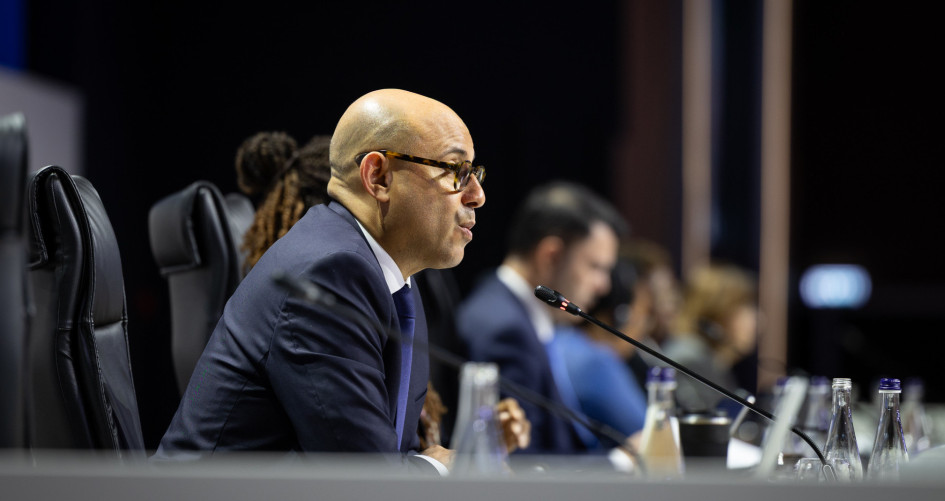
The high-level forum was held ahead of the 31st Conference of the Parties to the United Nations Framework Convention on Climate Change (COP31 UNFCCC). Discussions focused on accelerating emissions reductions and a just transition, expanding affordable climate finance for developing countries, and strengthening adaptation and climate resilience as climate-related risks increase.
“The Paris Agreement is our compass. However, as the space to keep the temperature increase to 1.5 degrees Celsius becomes increasingly narrow, our task is to bridge global commitments into tangible results, guided by justice and the principle of common but differentiated responsibilities according to respective capabilities,” Jumhur said.
From Commitments to Cross-Sector Action
Jumhur presented Indonesia’s strategic climate policy direction under President Prabowo Subianto, including the country’s commitment to achieving net-zero emissions by 2060 or earlier through its Nationally Determined Contribution (NDC).
The government said climate action is being designed alongside economic growth, energy security, poverty reduction and stronger community resilience.
Indonesia’s approach includes reducing emissions from waste and methane, decarbonizing industry, developing low-carbon industries, responsibly deploying Carbon Capture, Utilisation and Storage (CCUS), expanding large-scale solar power and implementing B50 biodiesel to support energy security.
Jumhur also highlighted electric vehicle development as part of Indonesia’s low-carbon industrial transformation and efforts to increase domestic value creation.
“The transition must be just, orderly, state-led and people-centered. Therefore, the success of the transition should not be measured only by technology or investment value, but also by energy affordability, decent work, local value creation, protection for vulnerable groups and tangible environmental benefits,” Jumhur said.
Strengthening Climate Finance and Adaptation
Indonesia reinforced its position through three Solution Dialogues addressing climate finance, adaptation finance in an era of climate overshoot and methane reduction.
In the climate finance dialogue, Indonesia emphasized the importance of aligning funding with NDC implementation and the National Adaptation Plan.
Indonesia said grants and concessional financing remain important for developing climate-risk data, early warning systems, ecosystem protection, local government capacity and community-based action.
The country also called for timely, adequate and accessible support for loss and damage for countries and communities facing the impacts of extreme weather events.
Indonesia is also seeking to reduce methane emissions, which accounted for 18.12 percent of the country’s total greenhouse gas emissions in 2022. Measures include improving waste and wastewater management, advancing the circular economy, strengthening Measurement, Reporting and Verification systems, and increasing local government capacity.
The government said these measures can also deliver direct benefits for air quality and public health.
As an archipelagic country, Indonesia is placing climate adaptation alongside mitigation. To address sea-level rise, the government is developing the Giant Sea Wall along Java’s northern coast and restoring mangrove and coastal ecosystems to protect communities and development areas from climate impacts.
Building Strategic Partnerships Toward COP31
Indonesia’s participation in the Leaders Dialogue and three Solution Dialogues reflects its position that environmental and climate issues are closely linked to food security, public health, employment opportunities and communities’ ability to manage climate risks.
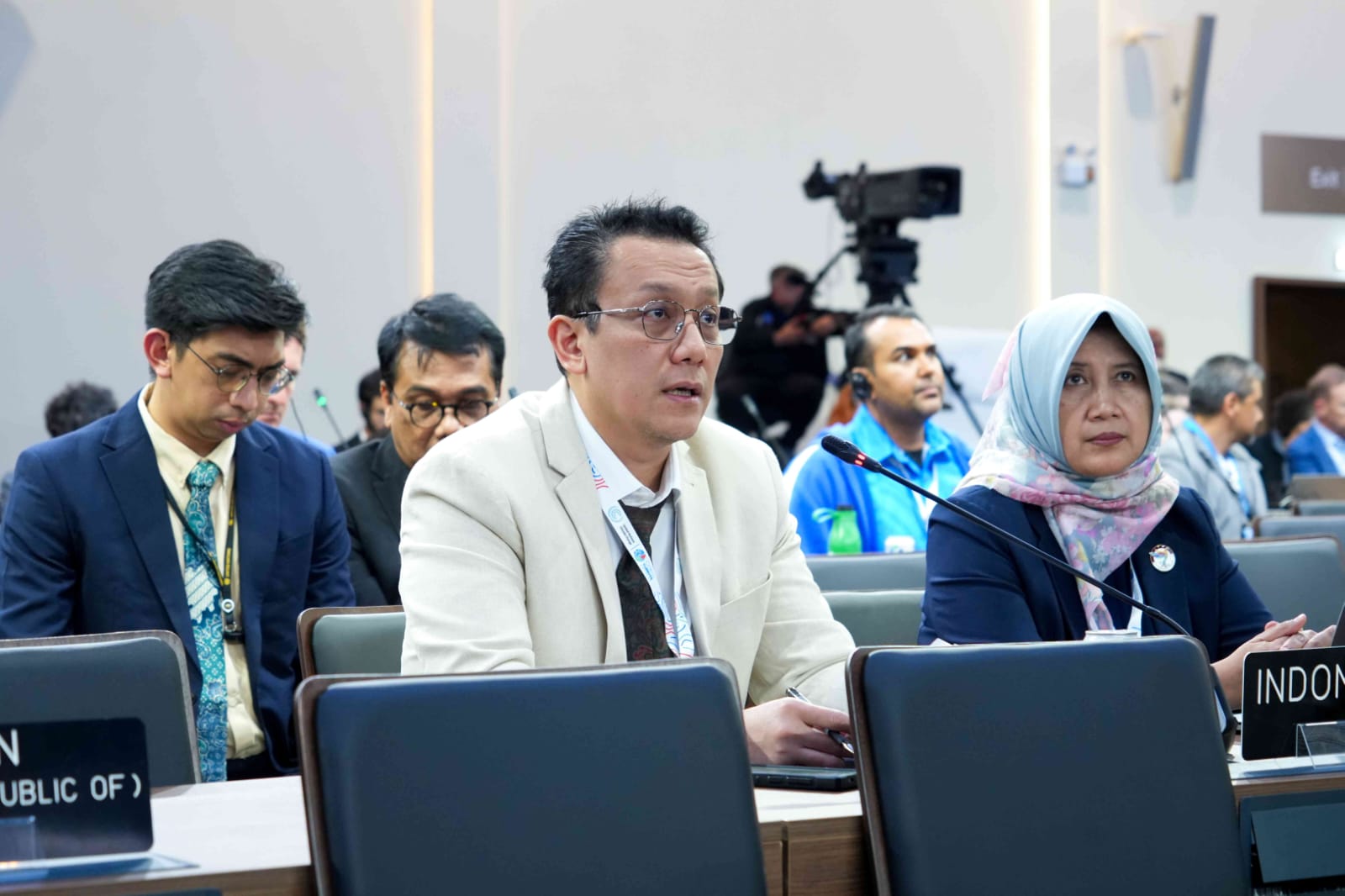
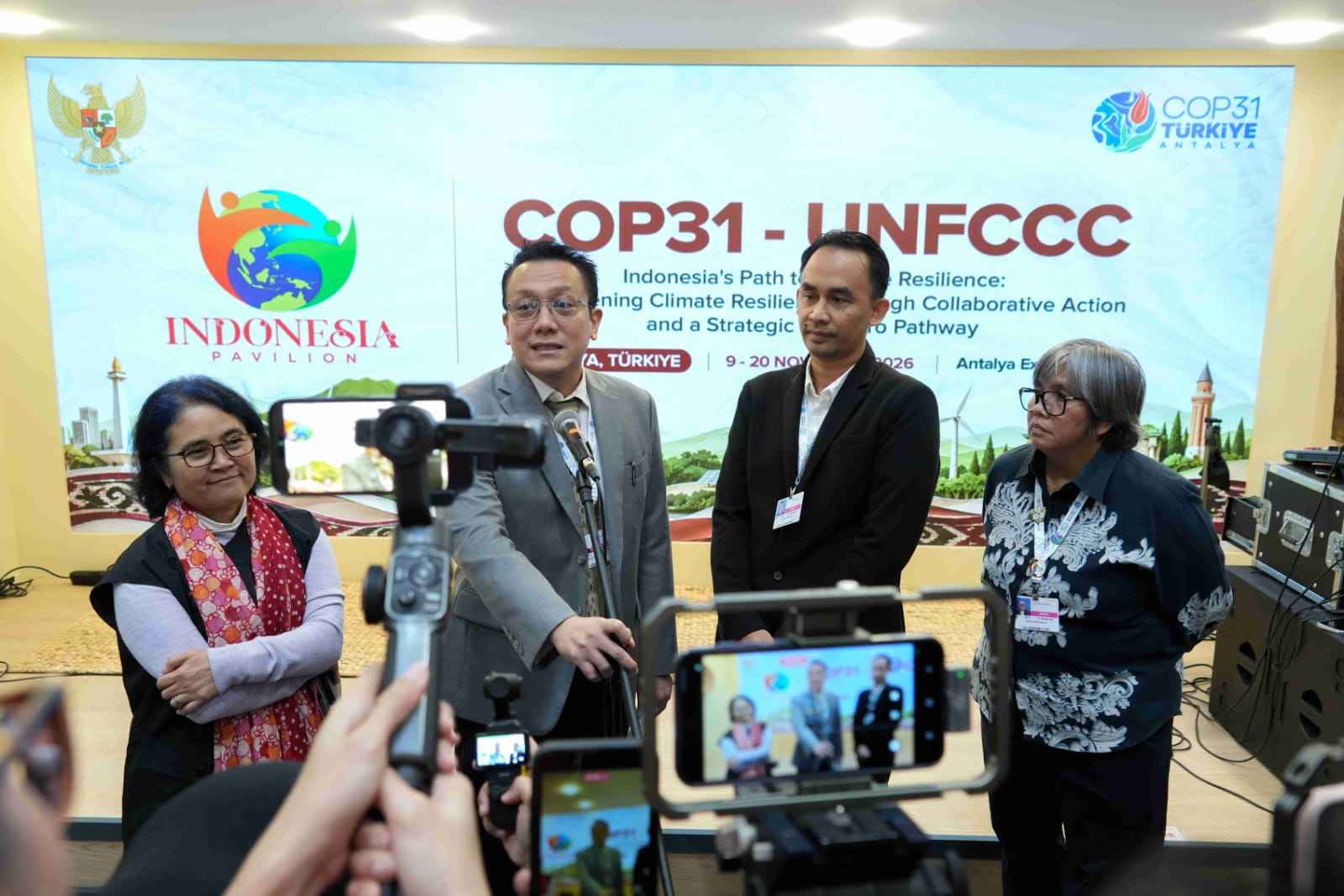
Ahead of COP31 in Antalya, Indonesia is calling for credible progress in implementing and strengthening the New Collective Quantified Goal on Climate Finance (NCQG).
The Indonesian government emphasized that multilateral cooperation should produce tangible protection and development opportunities, particularly for vulnerable countries and communities.
“Indonesia is ready to deepen partnerships that turn climate ambition into tangible development opportunities and resilience for all,” Jumhur said.
The high-level summit was opened by UN Secretary-General António Guterres and attended by heads of state and government, leaders of international organizations, multilateral financial institutions, businesses, local governments, civil society and youth representatives.
Among those attending were Turkish President Recep Tayyip Erdoğan, Australian Prime Minister Anthony Albanese, European Commission President Ursula von der Leyen, Palau President Surangel Whipps Jr. and Barbados Prime Minister Mia Mottley. (*)